

Quick Summary
The meaning of BBL is Brazilian Butt Lift, a cosmetic procedure that transfers fat from areas like the abdomen or thighs to the buttocks using liposuction and fat grafting techniques. Despite its name, the procedure isn’t Brazilian and doesn’t technically “lift” the buttocks—instead, it adds volume and reshapes them using your own body fat. According to the American Society of Plastic Surgeons, 29,383 BBL procedures were performed in the USA in 2023, with the procedure gaining 77.6% growth globally between 2015 and 2021.
Why Trust This Guide
This guide draws from current data published by the American Society of Plastic Surgeons (ASPS), International Society of Aesthetic Plastic Surgery (ISAPS), and peer-reviewed research in Aesthetic Surgery Journal. Safety information reflects 2024-2025 guidelines from the Multi-Society Gluteal Fat Grafting Task Force.
We combine evidence-based medical information with practical guidance for patients considering BBL surgery, whether at home or through medical tourism destinations like Turkey.
What Does BBL Stand For?
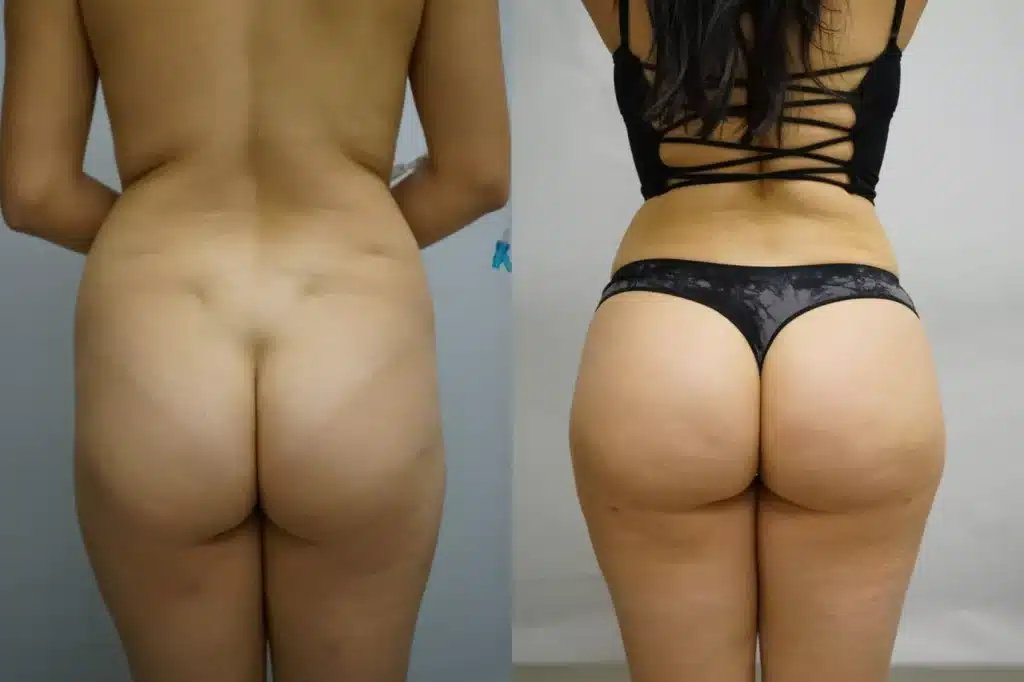
The meaning of BBL in plastic surgery is Brazilian Butt Lift, a fat grafting procedure that removes fat from donor areas via liposuction and transfers it to the buttocks for enhanced volume and shape.
The acronym “BBL” has become the colloquial term used by surgeons, patients, and the cosmetic surgery industry worldwide. Medical professionals also refer to the procedure as “gluteal fat grafting,” “buttock augmentation with fat grafting,” or “safe subcutaneous buttock augmentation (SSBA).”
The procedure achieves dual benefits: removing unwanted fat from areas like the abdomen, flanks, thighs, or back while simultaneously enhancing the buttocks. This creates an hourglass silhouette with a slimmer waist and fuller, more projected buttocks.
What BBL Is NOT
Despite its name, BBL is neither Brazilian nor a traditional “lift” procedure. The term originated from a television show in 1996 and stuck, even though the technique was pioneered in the 1960s and refined by surgeons worldwide. Unlike a traditional buttock lift that removes excess skin, BBL adds volume and reshapes the buttocks without addressing skin laxity.
Why Is It Called Brazilian Butt Lift?
The term Brazilian Butt Lift originated from a television show called “The Learning Channel” in 1996, despite the procedure having no connection to Brazil or Brazilian surgical techniques.
The name became popularized in media and stuck within the cosmetic surgery community. According to the American Society of Plastic Surgeons, attempts to rebrand the procedure with more accurate medical terminology like “safe subcutaneous buttock augmentation” have gained traction among surgeons but haven’t replaced the BBL acronym in public consciousness.
The association with Brazil likely stems from cultural beauty standards that celebrate curvier body types, particularly in Brazilian and Latin American cultures. However, the modern fat grafting technique was developed by plastic surgeons worldwide, with pioneering work dating back to the 1960s.
The Hourglass Figure Trend
Social media and celebrity culture have amplified demand for the hourglass figure that BBL creates. Influencers and public figures have normalized the procedure, making it one of the fastest-growing cosmetic surgeries globally with a 77.6% increase between 2015 and 2021 according to ISAPS data.
How BBL Surgery Works
BBL surgery involves three main steps: harvesting fat through liposuction, purifying the extracted fat, and injecting it strategically into the buttocks using specialized cannulas and subcutaneous-only placement techniques.
The procedure typically takes 2-4 hours under general anesthesia and follows this process:
Step 1: Liposuction (Fat Harvesting)
The surgeon makes small incisions (typically 3-5mm) in donor areas such as the abdomen, flanks, lower back, or thighs. Using a thin cannula attached to a suction device, excess fat is removed from these areas. According to Cleveland Clinic, surgeons typically need 300-500 ccs (approximately 1.5-2.5 cups) of fat per buttock side for optimal results.
Most patients need at least 2-3 liters of harvestable fat available. Surgeons often extract 4-5 liters when possible, accounting for the 20-30% of fat cells that naturally don’t survive the transfer process.
Step 2: Fat Purification
The extracted fat undergoes purification to remove blood, oils, and damaged cells. This process ensures only viable, healthy fat cells are reinjected, improving survival rates and long-term results.
Step 3: Strategic Fat Injection
Using 2024-2025 safety protocols established by the Multi-Society Gluteal Fat Grafting Task Force, surgeons inject fat exclusively into the subcutaneous layer—between the skin and muscle, never into or below the gluteal muscle. This subcutaneous-only approach dramatically reduced mortality rates from 1 in 3,000 (pre-2017) to approximately 1 in 14,952 (2020 data) according to Aesthetic Surgery Journal.
Modern techniques include:
- Ultrasound guidance: Real-time imaging ensures precise fat placement above the muscle
- Larger cannulas: Typically 4mm or larger to prevent inadvertent muscle penetration
- Layered injection: Small amounts of fat deposited in multiple layers for better integration
- Continuous tactile awareness: Surgeons maintain constant awareness of cannula tip position
The surgeon makes 3-5 small incisions around the buttocks, often in the intergluteal fold (between the buttocks) for inconspicuous scarring. Fat is injected in a fan-like pattern to create natural, even contours.
Types of BBL Procedures
BBL procedures vary by fat transfer volume and technique, ranging from Mini BBL (150-300cc per buttock) for subtle enhancement to Lipo 360 + BBL (400-800cc) for complete body transformation with different recovery timelines.
Understanding the different types of BBL helps you choose the right approach based on your body type, aesthetic goals, and available donor fat. Each variation offers distinct advantages depending on whether you’re seeking dramatic volume increase or subtle contouring.
The main types of BBL procedures differ in the amount of fat transferred, areas treated with liposuction, and the overall body transformation achieved. Your surgeon will recommend the best type based on your BMI, available fat deposits, and desired outcome.
BBL Procedure Types Comparison
| BBL Type | Fat Transfer Volume | Best For | Recovery Time |
|---|---|---|---|
| Traditional BBL | 400-600cc per buttock | Maximum volume increase, dramatic enhancement | 6-8 weeks full recovery |
| Skinny BBL | 200-400cc per buttock | Slim patients with limited fat, natural enhancement | 4-6 weeks full recovery |
| Mini BBL | 150-300cc per buttock | Subtle enhancement, shape refinement | 3-4 weeks full recovery |
| Lipo 360 + BBL | 400-800cc per buttock | Complete body transformation, hourglass figure | 8-10 weeks full recovery |
Traditional BBL
Traditional BBL transfers 400-600cc of purified fat per buttock, creating dramatic volume increase and projection. This approach suits patients with BMI 25-30 who have sufficient donor fat in multiple areas (abdomen, flanks, thighs, back) and desire significant enhancement. Results are long-lasting with approximately 70-80% fat survival, creating a noticeably fuller, rounder appearance.
Recovery takes 6-8 weeks with strict sitting restrictions for the first 2-4 weeks. Most patients see final results at 6 months once swelling fully resolves and transferred fat integrates.
Skinny BBL
Skinny BBL is designed for lean patients with BMI 20-24 who lack extensive fat deposits but still desire buttock enhancement. Surgeons transfer 200-400cc per buttock, focusing on shape improvement and subtle volume rather than dramatic size increase. This technique requires meticulous fat harvesting from multiple small areas.
Because less fat is transferred, recovery is typically faster (4-6 weeks) with less swelling and discomfort. Results appear more natural and proportionate to the patient’s slender frame. Some patients may need fat grafting sessions over time to achieve desired fullness.
Mini BBL
Mini BBL offers the most conservative approach with 150-300cc fat transfer per buttock. This procedure targets patients wanting subtle lift and shape refinement rather than significant size increase. It’s ideal for those with good natural buttock shape who want minor enhancement or correction of asymmetry.
The minimally invasive nature means faster recovery (3-4 weeks) and less dramatic sitting restrictions. Many patients return to desk work within 1-2 weeks. While results are subtle, they appear very natural and proportionate.
Lipo 360 + BBL
Lipo 360 + BBL combines circumferential liposuction around the entire torso (abdomen, flanks, back) with high-volume fat transfer (400-800cc per buttock). This comprehensive approach creates the most dramatic body transformation, sculpting an hourglass silhouette with slim waist and enhanced buttocks simultaneously.
Recovery is longest (8-10 weeks) due to extensive liposuction and large fat transfer volume. The procedure suits patients with BMI 26-30 who want complete body contouring. Results are most dramatic but require strict adherence to recovery protocols including prolonged sitting restrictions and compression garment wear.
According to ASPS data, Lipo 360 + BBL has become increasingly popular, accounting for approximately 40% of BBL procedures in 2023 as patients seek comprehensive body transformation rather than isolated buttock enhancement.
Choosing the Right BBL Type
Your surgeon will recommend the appropriate BBL type based on:
- Available donor fat: Measured during consultation via body composition analysis
- Body Mass Index (BMI): Determines if you have sufficient fat for desired volume
- Aesthetic goals: Subtle enhancement vs. dramatic transformation
- Lifestyle factors: Recovery time availability, activity level, occupation
- Existing body proportions: Hip-to-waist ratio, buttock shape, overall frame
During consultation, surgeons often use 3D imaging to show potential results from different BBL types, helping you visualize outcomes and make an informed decision.
BBL Safety and Mortality Rates
BBL safety has improved significantly with mortality rates dropping from 1 in 3,000 procedures (2017) to approximately 1 in 14,952 (2020) following implementation of subcutaneous-only fat injection protocols and ultrasound guidance techniques.
The procedure historically earned notoriety as the cosmetic surgery with the highest mortality rate. A 2017 report by the Aesthetic Surgery Education and Research Foundation (ASERF) Task Force found an estimated mortality rate of 1 in 3,448 cases, primarily from pulmonary fat embolism (PFE)—a life-threatening condition where fat enters the bloodstream and blocks pulmonary vessels.
Current Safety Statistics
According to 2024 research published in Aesthetic Surgery Journal:
- Mortality rate: 1 in 14,952 when following current safety guidelines (comparable to tummy tuck procedures at 1 in 14,000)
- Major complication rate: 2-3% at accredited centers
- Fat embolism rate: Less than 1% when using subcutaneous-only injection technique
- Infection rate: Less than 1%
A 2024 survey of American Board of Cosmetic Surgery members showed zero deaths (0 out of 12,800 procedures) when 96% of surgeons injected fat above the muscle only, compared to 1 in 11,400 when 39% of procedures involved any muscle injection.
What Made BBL Dangerous
Deaths occurred when surgeons injected fat into or beneath the gluteal muscle, where large veins are present. When fat enters these veins, it can travel to the heart and lungs, causing immediate or near-immediate death from fat embolism. The gluteal region has highly vascular muscle tissue, making deep injections extremely high-risk.
How Safety Improved
In 2017-2018, multiple professional organizations including ASPS, ASAPS, ISAPS, and ASERF formed the Multi-Society Gluteal Fat Grafting Task Force. Their safety recommendations include:
Mandatory protocols:
- Inject fat only in the subcutaneous plane (above muscle, below skin)
- Use stiff cannulas 4mm or larger
- Employ ultrasound guidance for real-time visualization
- Avoid Luer-Lock interfaces that can cause cannula misguidance
- Prefer intergluteal incisions for better control
- Maintain continuous tactile awareness of cannula tip position
- Limit procedures per day to prevent surgeon fatigue
Florida emergency rule (2023): The state of Florida, which became known as the “BBL capital,” implemented regulations limiting surgeons to three BBL procedures per day maximum and requiring ultrasound monitoring during fat injection.
Current Risk Factors
Even with improved techniques, BBL carries specific risks:
- Pulmonary fat embolism: Rare but potentially fatal if safety protocols aren’t followed
- Fat necrosis: Some transferred fat cells don’t survive, creating lumps or irregularities
- Infection: Less than 1% when performed in sterile, accredited facilities
- Asymmetry: Uneven fat distribution or reabsorption
- Seroma: Fluid accumulation requiring drainage
- Skin irregularities: Contour deformities from uneven fat placement
Who Is a Good Candidate for BBL?
Good BBL candidates include individuals aged 18+ with BMI between 22-28, sufficient fat deposits in donor areas for harvesting, good skin elasticity, realistic expectations, and overall good health without contraindications.
According to Cleveland Clinic, ideal candidates should:
Physical requirements:
- Be at a stable, healthy weight (not planning significant weight loss)
- Have enough excess fat in donor areas (abdomen, thighs, flanks, back)
- Possess good skin elasticity for smooth contouring
- Be finished with physical development (typically 18+ years old)
- Have BMI under 30 (some surgeons prefer 22-28 range)
Health requirements:
- Be in good overall physical health
- Not have bleeding disorders or clotting issues
- Non-smoker or willing to quit 4-6 weeks before and after surgery
- No active infections or skin conditions in treatment areas
- Not pregnant or breastfeeding
Psychological requirements:
- Have realistic expectations about outcomes
- Understand the recovery process and sitting restrictions
- Be prepared for 2-6 weeks of modified activities
- Pursue surgery for personal goals, not external pressure
Who May NOT Be a Good Candidate
Patients may be disqualified if they:
- Lack sufficient body fat for transfer (very lean individuals)
- Have significant medical conditions (uncontrolled diabetes, heart disease, severe lung disease)
- Are currently pregnant or breastfeeding
- Have unrealistic expectations or body dysmorphic disorder
- Cannot commit to recovery restrictions (avoiding sitting for 2-6 weeks)
- Smoke and refuse to quit
Alternative for thin patients: Those without adequate fat deposits may consider buttock implants instead, though implants carry higher infection risks and don’t provide the dual benefit of body contouring through liposuction.
BBL Cost by Country
BBL surgery costs $8,000-$15,000 in the USA, £6,000-£10,000 in the UK, and €3,200-€5,500 in Turkey, representing 60-70% savings for international patients choosing Turkish JCI-accredited facilities with all-inclusive packages.
Pricing varies significantly based on geographic location, surgeon experience, facility type, and what’s included in the package.
Cost Breakdown by Country
| Country | Price Range (2025) | What’s Typically Included | Savings vs USA |
|---|---|---|---|
| USA | $8,000 – $15,000 | Surgery only; additional fees for anesthesia ($1,500-$2,000), facility ($2,000-$3,000), garments ($200-$400) | — |
| UK | £6,000 – £10,000 | Surgery, anesthesia, facility fees; garments often extra | 20-30% |
| Canada | $8,000 – $12,000 CAD | Varies by clinic; confirm package details | 15-25% |
| Australia | $10,000 – $15,000 AUD | Surgery and facility; additional costs common | 10-20% |
| Turkey | €3,200 – €5,500 ($3,500-$6,000) | All-inclusive: surgery, anesthesia, 1-2 night hospital stay, 4-6 night hotel, airport transfers, compression garments, BBL pillow, medications, follow-ups | 60-70% |
| Thailand | $4,200 – $8,000 | Varies; often includes accommodation packages | 40-50% |
| Mexico | $4,000 – $7,000 | Surgery and facility; accommodation varies | 45-55% |
What Affects BBL Cost?
Surgeon expertise: Board-certified plastic surgeons with extensive BBL experience and specialized training command higher fees. According to ASPS 2024 data, the average surgeon fee alone was $7,000-$11,500 in the USA.
Procedure complexity:
- Standard BBL: Fat harvested from 2-3 areas
- 360° Lipo + BBL: Liposuction around entire torso for comprehensive contouring (adds $2,000-$4,000)
- BBL + Tummy Tuck: Combined procedure (adds $5,000-$8,000)
- BBL Revision: Correcting previous surgery results (often 20-30% more expensive)
Facility type:
- Hospital-based surgery: Higher costs but often safer for complex cases
- Accredited surgical center: Mid-range pricing with good safety standards
- Non-accredited facility: Lower costs but significantly higher risks
Geographic location: Major metropolitan areas (New York, Los Angeles, London, Sydney) have higher prices than smaller cities or international destinations due to higher operating costs, real estate, and cost of living.
Volume of fat transferred: Larger volume transfers requiring more extensive liposuction increase procedure time and cost.
Hidden Costs to Watch For
When comparing prices, account for:
- Anesthesia fees: $1,500-$2,500 in USA/UK (usually included in Turkey packages)
- Facility fees: $2,000-$3,500 in USA/UK (included in Turkey)
- Compression garments: $200-$600 (usually included in Turkey)
- BBL pillow: $50-$150 (included in Turkey)
- Medications: $100-$300 (included in Turkey)
- Pre-operative tests: $200-$500 (often included in Turkey)
- Follow-up visits: Varies by surgeon (virtual follow-ups included in Turkey packages)
- Revision surgery: If needed, costs 50-100% of original procedure
For medical tourism:
- Round-trip flights: $500-$1,500 depending on origin
- Extended accommodation: If staying longer than package includes
- Travel insurance with medical coverage: $100-$300
- Time off work: Lost wages during recovery period
Why Is Turkey More Affordable?
Turkey offers 60-70% savings compared to Western countries without compromising quality through:
- Lower operational costs: Reduced overhead for facilities, staff salaries, and medical supplies
- Favorable exchange rates: Currency differences benefit international patients
- Government support: Turkish government actively invests in medical tourism infrastructure
- Higher procedure volume: Large number of international patients allows clinics to operate efficiently
- Comprehensive packages: All-inclusive pricing eliminates surprise costs
According to NHS 2024 guidance, lower costs abroad can be legitimate when clinics operate efficiently in markets with reduced living expenses, and don’t automatically indicate lower quality or compromised safety.
Recovery Timeline
Full recovery from BBL takes 3-6 months, with most patients returning to desk work within 1-2 weeks, resuming normal activities at 4-6 weeks, and seeing final results at 6-12 months after swelling subsides completely.
Recovery requires specific modifications due to the nature of buttock surgery. The critical factor is protecting transferred fat cells during their integration period.
Week-by-Week Recovery Timeline
First 24-48 Hours:
- Hospitalization for monitoring (1-2 nights)
- Pain managed with prescribed medications
- Drains may be placed (removed within 3-7 days)
- Must sleep on stomach or side only
- Standing and gentle walking encouraged to prevent blood clots
- Compression garments worn continuously
Days 3-7:
- Return home or to hotel (for medical tourism patients)
- Swelling and bruising peak around day 5-7
- Pain decreases but discomfort continues
- Cannot sit directly on buttocks—must use BBL pillow or remain standing/lying
- Light walking essential for circulation
- Most patients cleared for air travel by day 7-9
Weeks 2-3:
- Pain significantly reduced
- Most patients return to desk work (using BBL pillow or standing desk)
- Swelling begins decreasing noticeably
- Compression garments worn 23 hours/day
- Continue avoiding direct sitting on buttocks
- Light household activities permitted
Weeks 4-6:
- Moderate activities resumed
- May begin sitting directly on buttocks for short periods (15-30 minutes at a time)
- Exercise restrictions still in place (no running, jumping, heavy lifting)
- Swelling 50-70% resolved
- Can return to most normal activities
Months 2-3:
- Sitting restrictions fully lifted
- Can resume all exercises except high-impact activities
- Swelling 80-90% resolved
- Fat integration complete—this is when survival rate is determined
- Results becoming apparent but still evolving
Months 6-12:
- Final results visible
- All swelling resolved
- Scars fading to thin white lines
- Fat that survived integration is permanent
- Can assess if revision needed
Critical Recovery Rules
Sitting restrictions (2-6 weeks): You must avoid sitting directly on buttocks to prevent compression that kills newly transferred fat cells. According to ASPS 2024 guidelines, sitting compresses fat and restricts blood supply, potentially causing cell death and contour irregularities.
Options during sitting restriction:
- Stand whenever possible
- Lie on stomach or side when resting
- Use BBL pillow (donut-shaped cushion that suspends buttocks)
- Sit on thighs only, keeping buttocks elevated
- Use foam padding and egg crate padding to relieve pressure
Compression garment compliance: Wear compression garments 23 hours/day for 4-6 weeks (remove only for showering). This reduces swelling, supports healing tissues, and helps skin conform to new contours.
Activity restrictions:
- No heavy lifting (over 10 pounds) for 4-6 weeks
- No strenuous exercise for 6-8 weeks
- No swimming or soaking in water for 4 weeks
- No sexual activity for 4-6 weeks
- No driving until cleared by surgeon (typically 2-3 weeks)
Sleep position: Sleep on stomach or side for 2-6 weeks. Some patients find pregnancy pillows helpful for comfortable side-sleeping.
Flying After BBL
Most surgeons clear patients for air travel 7-9 days post-surgery if healing progresses normally. NHS advice cautions that flying too soon increases thrombosis risk and can compromise healing.
Safe flying practices:
- Stand and walk hourly during flight
- Wear compression stockings
- Stay well-hydrated
- Use BBL pillow when seated
- Get medical clearance (“fit to fly” assessment) before booking
- Book aisle seat for easy movement
Warning Signs Requiring Immediate Medical Attention
Contact your surgeon immediately if you experience:
- High fever (over 101°F/38.3°C)
- Severe, increasing pain not controlled by medication
- Excessive bleeding or drainage
- Signs of infection: redness, warmth, pus, foul odor
- Sudden swelling in one leg (potential blood clot)
- Chest pain or shortness of breath (potential fat embolism—call emergency services)
- Severe asymmetry or unusual firmness
How This Applies in Turkey
BBL procedures in Turkey follow identical international safety protocols established by ASPS, ASAPS, and ISAPS at JCI-accredited facilities, with board-certified surgeons using subcutaneous-only fat injection and ultrasound guidance techniques.
Turkey has emerged as a global leader in medical tourism, particularly for cosmetic procedures. In 2024, Turkey welcomed 2 million health tourists generating $10 billion in medical tourism revenue, with BBL among the most requested procedures.
Why Turkey for BBL?
Cost savings: BBL in Turkey costs €3,200-€5,500 (approximately $3,500-$6,000) compared to $8,000-$15,000 in the USA and £6,000-£10,000 in the UK—representing 60-70% savings even when accounting for travel expenses.
Comprehensive packages: Turkish clinics offer all-inclusive packages covering:
- Pre-operative consultations and medical evaluations
- Blood work and necessary tests
- BBL surgery with board-certified plastic surgeon
- General anesthesia administered by board-certified anesthesiologist
- 1-2 night hospital stay post-surgery
- 4-6 night hotel accommodation (typically 4-5 star)
- Airport-hotel-hospital transfers (VIP transport)
- Compression garments (2-3 sets)
- BBL pillow for travel and recovery
- Post-operative medications
- Virtual follow-up consultations (days 7, 14, 30)
What’s NOT included:
- International flights
- Travel insurance
- Meals beyond hotel breakfast
- Personal expenses
- Revision procedures (if needed later)
Safety Standards in Turkey
Turkey has 42 JCI-accredited hospitals as of 2025, with 25 located in Istanbul. JCI (Joint Commission International) accreditation ensures facilities meet the same rigorous safety and quality standards as American and European hospitals.
Surgeon qualifications: Turkish plastic surgeons at reputable clinics typically have:
- Medical degree and board certification in plastic surgery
- Completion of 6+ years surgical training including minimum 3 years plastic surgery residency
- International training in Europe or North America
- Hundreds or thousands of BBL procedures performed
- Membership in ISAPS, ASAPS, or Turkish Association of Plastic Surgeons
Modern Safety Protocols in Turkey
Leading Turkish clinics follow 2024-2025 international safety guidelines:
- Subcutaneous-only fat placement: Fat injected exclusively between skin and muscle, never into gluteal muscle
- Ultrasound-guided injection: Real-time imaging ensures precise fat placement above muscle layer
- Progressive injection technique: Small amounts of fat carefully layered rather than large-volume deposits
- Advanced cannulas: Stiff cannulas 4mm or larger to prevent muscle penetration
- Procedure limits: Maximum 3 BBL procedures per surgeon per day to prevent fatigue
- Board-certified anesthesiologists: Full anesthesia team monitoring throughout procedure
According to research from the Turkish Association of Plastic Surgeons, clinics using advanced protocols have reduced BBL complications to less than 1% with zero reported fat embolism cases when following subcutaneous-only guidelines.
Timeline for International Patients
Typical schedule for BBL medical tourism to Turkey:
- Day 0: Arrival in Turkey, airport pickup, hotel check-in
- Day 1: Pre-operative consultation, blood work, surgeon meeting, final preparation
- Day 2: BBL surgery, post-op monitoring in hospital (1-2 nights)
- Days 3-7: Recovery at hotel, daily check-ups or as needed, gentle walking
- Day 7-9: Final check-up, fit-to-fly clearance, departure
Total stay: 7-10 days compared to longer waiting periods in countries with insurance-based healthcare systems.
Choosing a Reputable Turkish Clinic
Verify the following before committing:
- JCI accreditation: Hospital must have current JCI or ISO certification
- Surgeon credentials: Board certification verifiable through ISAPS registry
- Before/after portfolio: Extensive results showing consistent quality
- Patient reviews: Verified testimonials on independent platforms (Google, Trustpilot, RealSelf)
- Transparent pricing: Itemized breakdown of what’s included
- Complication management protocol: Clear plan for handling any issues during or after recovery
- Virtual consultation: Opportunity to meet surgeon and ask questions before traveling
Carely Clinic BBL Approach
At Carely Clinic in Istanbul, BBL procedures are performed by board-certified plastic surgeons at JCI-accredited partner hospitals using the latest safety protocols. All-inclusive packages include comprehensive pre-operative evaluation, surgery with ultrasound guidance, hospital stay, luxury accommodation, airport transfers, compression garments, BBL pillow, medications, and virtual follow-up care.
International patients benefit from dedicated English-speaking coordinators who manage all logistics from arrival to departure. Learn more about Brazilian Butt Lift at Carely Clinic.
Summary Table: BBL Quick Reference
| Aspect | Details |
|---|---|
| Full Name | Brazilian Butt Lift (also called gluteal fat grafting, safe subcutaneous buttock augmentation) |
| What It Does | Removes fat from donor areas via liposuction and transfers it to buttocks for enhanced volume and shape |
| Procedure Time | 2-4 hours under general anesthesia |
| Hospital Stay | 1-2 nights for monitoring |
| Current Mortality Rate | 1 in 14,952 (when following 2024-2025 safety protocols with subcutaneous-only injection) |
| Major Complication Rate | 2-3% at accredited centers |
| Fat Survival Rate | 70-80% of transferred fat survives long-term (20-30% naturally reabsorbed) |
| Return to Work | 1-2 weeks (desk work with BBL pillow or standing desk) |
| Return to Exercise | 6-8 weeks for full activities |
| Sitting Restrictions | 2-6 weeks (must use BBL pillow or avoid sitting on buttocks) |
| Full Recovery | 3-6 months |
| Final Results | Visible at 6-12 months after all swelling resolves |
| Results Duration | Permanent (fat that survives integration remains for years; maintain stable weight) |
| Ideal BMI Range | 22-28 (need sufficient fat for harvesting; BMI over 30 increases surgical risks) |
| Cost USA | $8,000-$15,000 (surgery only, additional fees for anesthesia, facility, garments) |
| Cost UK | £6,000-£10,000 |
| Cost Turkey | €3,200-€5,500 ($3,500-$6,000) all-inclusive packages |
| Savings in Turkey | 60-70% compared to USA/UK |
| Procedures Performed (2023) | 29,383 in USA; 396,105 globally (2020 ISAPS data) |
| Growth Rate | 77.6% increase globally between 2015-2021 |
Frequently Asked Questions
What is the meaning of BBL in plastic surgery?
The meaning of BBL in plastic surgery is Brazilian Butt Lift, a cosmetic fat transfer procedure. The acronym BBL became the standard term used by surgeons and patients worldwide, though medical professionals also call it “gluteal fat grafting” or “safe subcutaneous buttock augmentation (SSBA).” The procedure involves removing fat from unwanted areas via liposuction and strategically injecting it into the buttocks to create enhanced volume, improved shape, and a more balanced body contour.
What does BBL stand for in surgery?
BBL stands for Brazilian Butt Lift in cosmetic surgery terminology. Despite the name, the procedure isn’t Brazilian and doesn’t technically “lift” the buttocks—it’s a fat grafting technique that removes fat from donor areas via liposuction and transfers it to the buttocks for enhanced volume and shape. Medical professionals also call it “gluteal fat grafting” or “safe subcutaneous buttock augmentation.”
Is BBL surgery safe in 2025?
Yes, BBL is considered safe when performed by board-certified plastic surgeons following 2024-2025 safety protocols at accredited facilities. The mortality rate has dropped from 1 in 3,000 (2017) to approximately 1 in 14,952 (2020 data) following implementation of subcutaneous-only fat injection and ultrasound guidance. This makes modern BBL comparable in safety to tummy tuck procedures. However, choosing a qualified surgeon at a JCI-accredited facility and following all pre- and post-operative instructions remains crucial for minimizing risks.
How much does BBL cost?
BBL costs vary significantly by country: $8,000-$15,000 in the USA (plus additional fees for anesthesia and facility), £6,000-£10,000 in the UK, and €3,200-€5,500 in Turkey with all-inclusive packages. Turkish packages typically include surgery, hospital stay, 4-6 nights hotel accommodation, airport transfers, compression garments, BBL pillow, medications, and follow-up consultations—representing 60-70% savings compared to Western countries. Surgeon experience, procedure complexity, and facility accreditation also affect pricing.
Why is it called Brazilian Butt Lift?
The term “Brazilian Butt Lift” originated from a television show in 1996 despite having no actual connection to Brazil or Brazilian surgical techniques. The name became popularized in media and stuck within the cosmetic surgery community, likely due to cultural associations with Brazilian beauty standards that celebrate curvier body types. The modern fat grafting technique was actually developed by plastic surgeons worldwide with pioneering work dating back to the 1960s. Some surgeons now prefer the more accurate term “safe subcutaneous buttock augmentation.”
How long is BBL recovery?
Full BBL recovery takes 3-6 months, but timelines vary by activity. Most patients return to desk work within 1-2 weeks using a BBL pillow or standing desk, resume normal daily activities at 4-6 weeks, and can exercise fully at 6-8 weeks. The critical recovery rule is avoiding direct sitting on buttocks for 2-6 weeks to protect transferred fat cells during integration. Swelling peaks at days 5-7, gradually decreases over 2-3 months, and completely resolves at 6-12 months when final results become visible.
Can you sit after BBL surgery?
You must avoid sitting directly on your buttocks for 2-6 weeks after BBL to prevent compression that kills newly transferred fat cells. During this period, you should stand when possible, lie on your stomach or side when resting, or use a BBL pillow (donut-shaped cushion) that suspends the buttocks when sitting is necessary. According to ASPS 2024 guidelines, sitting compresses fat and restricts blood supply, potentially causing cell death and contour irregularities. Most surgeons gradually allow short sitting periods (15-30 minutes) starting around weeks 4-6.
How long do BBL results last?
BBL results are considered permanent once transferred fat cells successfully integrate, typically by 3 months post-surgery. Approximately 70-80% of transferred fat survives long-term according to research published in Aesthetic Surgery Journal, with the remaining 20-30% naturally reabsorbed by the body. Fat cells that survive the first 3 months remain for years, behaving like normal fat tissue. However, significant weight fluctuations can affect results—gaining weight may increase buttock size while losing weight may decrease it. Maintaining a stable weight preserves results indefinitely.
What are the risks of BBL surgery?
The most serious BBL risk is pulmonary fat embolism (PFE), which occurs when fat enters the bloodstream and blocks pulmonary vessels—this is rare (less than 1%) when surgeons follow subcutaneous-only injection protocols. Other risks include infection (less than 1% at accredited centers), fat necrosis creating lumps or irregularities, asymmetry from uneven fat distribution, seroma requiring drainage, and skin contour deformities. The current major complication rate is 2-3% at accredited facilities. Choosing a board-certified surgeon who follows 2024-2025 safety guidelines dramatically reduces all risks.
Do you need to be a certain weight for BBL?
Yes, ideal BBL candidates have BMI between 22-28 with sufficient fat deposits in donor areas for harvesting. You need at least 2-3 liters of harvestable fat (surgeons typically extract 4-5 liters to account for 20-30% reabsorption). Patients with BMI below 20 typically lack adequate fat for significant enhancement and may need to consider alternatives like buttock implants. Those with BMI above 30 face higher surgical risks and may be advised to lose weight before surgery. You should also be at a stable weight, not planning significant weight loss.
Can BBL be combined with other procedures?
Yes, BBL is commonly combined with other body contouring procedures. Popular combinations include 360° liposuction + BBL for comprehensive torso contouring (adds $2,000-$4,000), BBL + tummy tuck for addressing excess skin and muscle separation (adds $5,000-$8,000), and BBL + breast augmentation for overall body enhancement. However, combining procedures increases surgery time, anesthesia exposure, and recovery complexity. Your surgeon will assess whether you’re a safe candidate for combined procedures based on your overall health, BMI, and surgical goals.
Is BBL worth it?
BBL satisfaction rates are high, with 86% of patients expressing satisfaction according to research reviewing over 3,000 procedures. The procedure offers dual benefits—removing unwanted fat from problem areas while enhancing buttocks—creating an hourglass silhouette that diet and exercise alone cannot achieve. Results are long-lasting (permanent for survived fat cells), and modern safety protocols have made the procedure significantly safer than in the past. However, BBL requires commitment to recovery restrictions (2-6 weeks sitting limitations), carries inherent surgical risks, and costs $3,500-$15,000 depending on location. The decision should balance aesthetic goals, health status, recovery capacity, and financial considerations.
How painful is BBL recovery?
BBL pain varies by individual but is typically described as moderate and manageable with prescribed pain medication. Most patients report the liposuction sites (donor areas) cause more discomfort than the buttocks themselves during the first week. Pain peaks in the first 24-48 hours, significantly decreases by day 3-5, and becomes mild by week 2. The challenge isn’t severe pain but rather discomfort from sitting restrictions and sleeping position limitations. Most patients rate pain 4-6 out of 10 during the first week, decreasing to 2-3 by week two.
Can thin people get BBL?
Thin individuals with BMI under 22 can still get BBL if they have adequate fat deposits in donor areas, though results may be more modest. Surgeons need at least 2-3 liters of harvestable fat, which some lean patients possess in the abdomen, flanks, or thighs. This is sometimes called “skinny BBL” and focuses on reshaping rather than dramatic size increase. If you lack sufficient fat, alternatives include buttock implants (which carry higher infection risks) or postponing BBL until after gaining 10-15 pounds of weight to provide more donor fat.
Conclusion
The meaning of BBL—Brazilian Butt Lift—represents one of cosmetic surgery’s most transformative body contouring procedures, evolving significantly in safety and technique since gaining popularity. Modern BBL following 2024-2025 protocols achieves a mortality rate of approximately 1 in 14,952—comparable to tummy tuck procedures and dramatically improved from the 1 in 3,000 rate reported in 2017.
Learn more about scarring in our
BBL Scars Guide
The procedure offers unique dual benefits: removing unwanted fat from donor areas while simultaneously enhancing buttock volume and shape using your own body fat. With approximately 70-80% fat survival rates, results are long-lasting and natural-looking when performed by qualified surgeons.
Key factors for safe, successful BBL include choosing a board-certified plastic surgeon who follows subcutaneous-only injection protocols, selecting a JCI-accredited facility, having realistic expectations about recovery restrictions, and maintaining stable weight after surgery. International patients can achieve 60-70% cost savings by choosing reputable Turkish clinics while maintaining the same safety and quality standards as Western facilities.
Individual requirements and outcomes vary. This guide provides general information based on international guidelines from ASPS, ASAPS, ISAPS, and peer-reviewed research. Consult qualified, board-certified plastic surgeons for personalized medical advice regarding your specific situation and candidacy for BBL surgery.
If you’re considering BBL surgery, research thoroughly, verify surgeon credentials through professional organizations like ISAPS, confirm facility accreditation, review before/after portfolios, and schedule consultations to discuss your specific goals and concerns.
Medical Disclaimer: This article provides educational information about what BBL stands for and procedure details, not personalized medical advice. Surgical outcomes vary significantly between individuals based on anatomy, healing capacity, and technique. Brazilian Butt Lift carries inherent risks including but not limited to infection, bleeding, asymmetry, and anesthesia complications. No specific results are guaranteed. Consult qualified, board-certified plastic surgeons for personalized evaluation and treatment recommendations appropriate for your individual circumstances.
Medical Review: Dr. Aliraz Jahangirov