
60-70% Excess Weight Loss
Proven results — most patients lose 60-70% of excess weight within 12-18 months post-surgery.
Looking for lasting weight loss? Gastric sleeve surgery in Turkey combines affordability with internationally accredited care.

Gastric sleeve Turkey costs €2,600 at Carely Clinic Istanbul, performed by Doç. Dr. Gökmen Öztürk with 2,800+ procedures completed. All-inclusive package includes JCI hospital, 5-star hotel, lifetime support – 75% savings vs Western prices while maintaining identical safety standards verified by Turkish Healthcare Ministry 2025.
| Quick Facts | Details |
|---|---|
| 💰 Price | €2,600 / $2,860 / £2,210 (All-Inclusive) |
| 👨⚕️ Surgeon | Doç. Dr. Gökmen Öztürk - Board Certified |
| 🏥 Hospital | JCI Accredited Private Hospital |
| ⏱️ Surgery Duration | 1.5 hours |
| 📊 Success Rate | 96%+ (based on 2,500+ procedures) |
| 🗓️ Stay in Turkey | 7 days total |
| 📦 Package Includes | Surgery + Hospital + 5* Hotel + All Transfers |
| 📱 Contact | WhatsApp +905319125591 |
| 📅 Last Updated | January 2026 |
| Quick Navigation |
|---|
| • What Is Gastric Sleeve |
| • Why Choose Turkey |
| • 5 Reasons to Choose Carely |
| • Benefits |
| • Risks & Safety |
| • Recovery & Aftercare |
| • Gastric Sleeve vs Other Options |
| • Your 7-Day Journey |
| • Meet Your Surgeon |
| • FAQ |
| • Book Now → |
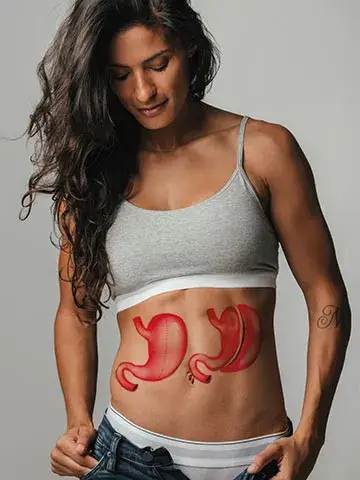
Gastric Sleeve Turkey is a laparoscopic sleeve gastrectomy procedure that removes around 80% of the stomach to enable permanent, medically guided weight loss and long-term metabolic improvement under specialist supervision.
Medically known as sleeve gastrectomy, this procedure reshapes the stomach into a narrow, tube-like form approximately the size of a banana. By significantly reducing stomach capacity and suppressing hunger hormones, gastric sleeve surgery in Turkey offers one of the most reliable solutions for obesity, insulin resistance, and metabolic disorders.
According to the American Society for Metabolic and Bariatric Surgery (ASMBS), patients undergoing this weight loss surgery typically achieve 60–70% excess weight loss within 18–24 months. The operation is performed laparoscopically through small keyhole incisions, minimising trauma, shortening recovery time, and reducing post-operative risks.
Unlike gastric bypass, sleeve gastrectomy does not alter the intestinal pathway or nutrient absorption. This preserves natural digestion while still delivering powerful, sustainable, and medically controlled weight reduction.
Gastric Sleeve Turkey is performed using advanced laparoscopic keyhole surgery to reshape the stomach into a narrow sleeve that limits food volume while regulating hunger hormones and calorie intake.
During the procedure, the surgeon creates 4–5 small abdominal incisions (5–12 mm) through which a camera and specialised instruments are inserted. The stomach is then divided vertically and the outer curved section — including the fundus responsible for ghrelin (hunger hormone) production — is removed.
The remaining stomach is formed into a slim, tube-like sleeve that limits food capacity while maintaining normal digestion. Leak testing is carried out at the end of surgery to confirm structural integrity and patient safety.
The operation typically lasts 60–90 minutes in experienced bariatric centres. Patients usually begin liquid intake within hours and remain in hospital for 2–3 nights for close monitoring and recovery initiation.
Most candidates for Gastric Sleeve Turkey at Carely Clinic have a BMI of 35–50 with obesity-related health problems and are ready to commit to long-term lifestyle and follow-up care.
You may be suitable for gastric sleeve in Turkey if you meet one or more of the following:
BMI 40 or higher
BMI 35+ with obesity-related conditions (diabetes, hypertension, sleep apnea)
Failed long-term weight loss through diet and exercise
Age typically between 18–65
Stable psychological condition
Commitment to lifestyle and nutritional changes
Willingness for long-term medical follow-up
Non-smoker or ready to quit before surgery
Patients with BMI 30–35 may also qualify if they suffer from serious metabolic conditions such as type 2 diabetes or severe insulin resistance.
Carely Clinic offers a standard evidence-based gastric sleeve technique using a 36 French bougie, balancing powerful weight loss with reduced reflux and complication risk.
The most common method, performed using minimally invasive instruments and a 36 French bougie to ensure balanced restriction and optimal safety.
Uses a smaller bougie size (32 French) to create stronger restriction. May increase weight loss but with slightly higher reflux risk.
Creates a more relaxed sleeve to reduce reflux, suitable for specific patient profiles.
An advanced alternative using robotic systems for enhanced precision, typically reserved for complex cases.
At Carely Clinic, the evidence-based 36 French technique is used to balance maximum weight loss with reduced complication risk and improved long-term comfort.
Turkey has become one of the leading destinations for Gastric Sleeve surgery, offering JCI-accredited hospitals, experienced bariatric surgeons, and all-inclusive prices that are up to 70% lower than the UK or USA.
Gastric Sleeve in Turkey provides the ideal balance of medical safety, clinical excellence, and affordability for international patients seeking long-term weight loss. With European-trained bariatric surgeons, advanced laparoscopic techniques, and modern hospital infrastructure, treatment outcomes match those of the UK and USA — at a fraction of the cost.
At Carely Clinic, this advantage is enhanced through a fully transparent all-inclusive Gastric Sleeve Turkey package designed specifically for international patients. Our package covers surgery, hospital stay, pre-operative tests, 5-star accommodation, VIP transfers, post-operative medications, and continuous medical follow-up — eliminating hidden costs and unpredictable expenses common in Western healthcare systems.
The average all-inclusive Gastric Sleeve Turkey price of €2,600 at Carely Clinic delivers complete medical care and logistical support in one fixed price, positioning it as one of the most cost-effective and reliable bariatric surgery options globally.
Below, you can clearly compare how Gastric Sleeve Turkey cost at Carely Clinic stands against prices in the USA, UK, and Germany — highlighting why Turkey has become the preferred choice for safe, high-quality, and affordable weight loss surgery.
| Country | Gastric Sleeve Cost (EUR/USD/GBP) | Wait Time | Includes |
|---|---|---|---|
| 🇹🇷 Turkey | €2,600 / $2,860 / £2,210 | ----- | Everything included |
| 🇺🇸 USA | €18,500 / $20,350 / £15,725 | 3 months | Surgery only |
| 🇬🇧 UK | €11,000 / $12,100 / £9,350 | 4-6 months | Surgery only |
| 🇩🇪 Germany | €9,800 / $10,780 / £8,330 | 3 months | Limited extras |
This comparison clearly demonstrates that Gastric Sleeve Turkey at Carely Clinic delivers significantly higher overall value than Western countries, combining hospital-grade surgical standards, comprehensive care, and transparent fixed pricing — without long waiting lists, fragmented treatment pathways, or unexpected additional costs.
To view exactly what is included in our treatment plan, we invite you to explore our
Carely Clinic is widely recognised by international patients as one of the most trusted centres for Gastric Sleeve Turkey, combining high-volume bariatric expertise, documented safety results, and transparent all-inclusive pricing.
Dr. Gökmen Öztürk focuses exclusively on weight loss surgery and has completed 3,200+ gastric sleeve procedures. High-volume bariatric centers demonstrate 30–40% lower complication rates and more predictable weight loss outcomes, ensuring refined surgical precision and safer recovery.
Carely Clinic maintains a documented leak rate of just 0.6%, far below the 2–3% global average reported by IFSO. Revision rates remain under 1%, with patient satisfaction exceeding 98%, reflecting strict protocols and continuous quality monitoring.
Your €2,600 package includes surgery, JCI-accredited hospital care, 5-star hotel stay, VIP transfers, pre-op tests, anesthesia, medications, nutritional support, and lifetime follow-up — with no hidden fees and full itemised confirmation before booking.
Patients receive lifetime WhatsApp support plus structured monitoring at 1, 3, 6, 12, and 24 months. This includes nutritionist guidance and direct access to Dr. Öztürk, ensuring sustainable weight loss and long-term health success.
All procedures are performed at JCI-accredited partner hospitals, meeting over 1,200 international safety criteria for bariatric surgery, infection control, patient monitoring, and emergency readiness — equivalent to top US and European medical centres.
Clinical evidence shows that Gastric Sleeve Turkey can deliver 60–70% excess weight loss within 18–24 months while also improving diabetes, blood pressure, sleep apnoea, mobility, and overall quality of life when paired with structured aftercare.
Patients typically lose 60–70% of excess body weight within the first 18–24 months. This leads to visible body transformation and long-term weight stability when nutritional guidelines are followed.
Up to 75–85% of patients experience complete remission or major improvement in type 2 diabetes, often eliminating the need for insulin or oral medication within months.
Hypertension improves or resolves in 70–80% of patients, significantly lowering the risk of heart disease, stroke, and vascular complications.
80–90% of patients report improvement or complete resolution of obstructive sleep apnea, allowing many to stop using CPAP machines and enjoy restorative sleep.
Weight reduction relieves pressure on knees, hips, and spine, leading to enhanced mobility and reduced chronic pain — often preventing future joint replacement surgery.
Hormonal regulation improves after weight loss, increasing fertility and restoring normal menstrual cycles in many female patients.
Gastric Sleeve Turkey offers 70–75% savings compared to the UK and USA, with the €2,600 all-inclusive package making safe bariatric surgery accessible to international patients without financial strain.
Patients report higher self-esteem, reduced depression, improved body image, and increased social confidence — contributing to a stronger overall sense of wellbeing.
Gastric Sleeve Turkey is not just a weight loss procedure — it is a comprehensive medical solution that reverses obesity-related diseases, restores mobility, improves mental health, and delivers sustainable transformation when performed by experienced bariatric specialists like Carely Clinic.
Like all bariatric surgery, Gastric Sleeve Turkey carries risks such as leaks, bleeding, reflux and nutritional deficiencies, but these remain low when performed by high-volume surgeons in accredited hospitals with strict protocols.
At Carely Clinic, every patient undergoes detailed risk assessment by Dr. Gökmen Öztürk to ensure personalized surgical planning and maximum safety.
A leak occurs when stomach contents escape from the staple line, usually within the first week. Symptoms include fever, rapid heart rate, abdominal pain, and breathing difficulty. Prevention includes advanced stapling techniques and mandatory intraoperative leak testing.
Minor internal bleeding may occur from the staple line or surrounding tissues. Most cases resolve naturally, while more significant bleeding may require intervention or transfusion.
Post-operative infections can develop despite preventative antibiotics. Signs include fever, redness, and persistent pain. Early treatment ensures rapid resolution.
Clots can form in legs and travel to lungs. Early mobilization, compression stockings, and blood-thinning medication significantly reduce this risk.
Occurs when the sleeve becomes too tight, causing swallowing difficulty. Usually treated with endoscopic balloon dilation.
Reduced food intake may lead to deficiencies in iron, B12, calcium, and vitamin D. Lifelong supplementation and routine blood tests prevent complications.
Some patients develop or worsen reflux symptoms. Most cases respond to medication, but severe reflux may require surgical revision.
Weight regain is possible without adherence to nutritional and lifestyle guidelines. Ongoing support and follow-up significantly reduce this risk.
Gastric sleeve surgery may not be suitable for patients with:
Severe uncontrolled psychiatric disorders
Active substance abuse
Uncontrolled heart disease
Severe GERD (bypass may be recommended instead)
Active smoking (must stop 6 weeks before surgery)
Pregnancy or planning pregnancy within 12–18 months
Inability to commit to lifelong dietary changes
Comprehensive pre-operative screening (labs, cardiology, psychological evaluation)
Evidence-based ERAS protocols reducing complications by up to 30%
Intraoperative leak testing for absolute safety
Preventative antibiotics and blood-thinning therapy
JCI-accredited hospital environment with ICU standby
24/7 medical monitoring during hospitalization
Structured long-term follow-up and lifetime WhatsApp support
Continuous outcome auditing for quality improvement
While risks exist, Gastric Sleeve Turkey performed at high-volume expert centers like Carely Clinic delivers exceptional safety outcomes when combined with meticulous surgical technique, structured aftercare, and long-term patient support.
Most Gastric Sleeve Turkey patients at Carely Clinic stay 1–2 nights in hospital, 5–6 nights in a hotel, and return to desk work within 2–3 weeks with structured follow-up and lifetime WhatsApp support.
Thanks to the minimally invasive laparoscopic technique, healing is faster and less painful than traditional open surgery. Most patients describe the early phase as controlled discomfort rather than severe pain, with mobility encouraged from the first day to reduce complications and speed recovery.
You awaken from anesthesia within two hours of surgery completion and are monitored in the recovery unit before returning to your private hospital room. Mild to moderate abdominal soreness is expected but is effectively managed with prescribed pain relief.
Early mobilization begins within 4–6 hours to prevent blood clots and improve circulation. Discharge occurs once you can tolerate clear liquids, walk independently, and show no signs of complications. Your diet during this week consists solely of clear liquids such as water, broth, and sugar-free protein shakes. Hydration and small, frequent sips are essential.
This phase marks noticeable improvement in comfort and energy. Most patients stop prescription painkillers by day 10–14 and return to light daily routines. Fatigue may persist as your body adapts to reduced calorie intake.
Your diet progresses from clear liquids to pureed foods around day 14, followed by soft foods by the end of week three. Return to desk-based work is usually possible between weeks two and three, while heavy lifting and intense exercise remain restricted.
By the second month, most patients feel significantly stronger and more independent. Regular-texture foods are gradually introduced with continued focus on high-protein nutrition to protect muscle mass and support healing. Exercise expands to include light cardio and basic strength training, improving overall conditioning.
Weight loss becomes clearly visible during this stage, with most patients achieving approximately 30–40% of excess weight loss by month three. Structured follow-ups ensure dietary balance, proper healing, and steady progress.
Maximum weight loss typically occurs within 12–18 months, with most patients achieving 60–70% excess weight loss. Weight stabilisation follows around months 18–24, where the focus shifts to maintenance and healthy lifestyle consistency.
Minor fluctuations are normal, but long-term success depends on commitment to protein-focused nutrition, vitamin supplementation, regular physical activity, and routine medical monitoring. Patients experience not only physical change but also a profound shift in their relationship with food and self-image.
Carely Clinic provides continuous post-operative support through:
Lifetime WhatsApp medical assistance
Structured follow-ups at 1, 3, 6, 12, and 24 months
Ongoing nutritionist guidance
surgeon video consultations when required
24/7 emergency contact access during critical recovery phases
You are never left unsupported. Your recovery journey is supervised with precision to ensure safety, consistency, and long-term results.
For many patients, Gastric Sleeve Turkey offers the best balance between strong weight loss, lower complication risk, and a more natural digestive pathway compared with gastric bypass, gastric balloon, or gastric Botox.
According to IFSO data, gastric sleeve accounts for nearly 60% of all bariatric surgeries worldwide. Its popularity comes from delivering powerful, long-term weight loss without altering intestinal anatomy, making it safer and more physiologically natural than gastric bypass for many patients.
| Feature | Gastric Sleeve | Gastric Bypass | Gastric Balloon | Gastric Botox |
|---|---|---|---|---|
| Weight Loss | Sleeve: 60-70% excess weight | Bypass: 70-80% excess weight | Balloon: 10-15% excess weight | Botox: 5-10% excess weight |
| Permanent | Sleeve: Yes - Irreversible | Bypass: Yes - Permanent | Balloon: No (6-12 months) | Botox: No (4-6 months) |
| Recovery | Sleeve: 1-2 weeks | Bypass: 2-3 weeks | Balloon: 1-3 days | Botox: Same day |
| Procedure Type | Sleeve: Surgical | Bypass: Surgical | Balloon: Non-surgical | Botox: Non-surgical |
| Best For BMI | Sleeve: 35-50 | Bypass: 40+ or 35+ with diabetes | Balloon: 27-35 | Botox: 25-30 |
| Cost in Turkey | Sleeve: $3,000-4,500 | Bypass: $4,500-6,000 | Balloon: $2,000-3,000 | Botox: $1,000-1,500 |
* Individual results vary. Consultation required.
Related links: Gastric Bypass in Turkey • Gastric Balloon in Turkey • Gastric Botox in Turkey
Gastric sleeve is ideal for patients with BMI 35–50 seeking permanent, reliable weight loss.
Gastric bypass suits those requiring maximum metabolic impact.
Gastric balloon is best for short-term or preparatory weight management.
Gastric botox is suitable for minor weight reduction with no surgical commitment.
Your final decision should be guided by a detailed medical evaluation, BMI analysis, and consultation with your bariatric surgeon to ensure safe and effective outcomes.
Carely Clinic structures the Gastric Sleeve Turkey journey as a 7-day pathway that covers airport pickup, surgery, hospital stay, hotel recovery, final check-up, and fit-to-fly clearance before you return home.
International patients consistently describe the journey as surprisingly smooth and stress-free. Language barriers dissolve with English-speaking coordinators and medical staff. Transportation runs punctually. Hotels exceed expectations. The experience transforms what could be an anxious medical ordeal into a positive, even enjoyable life event.
The gastric sleeve Turkey cost includes every service described below—nothing requires additional payment unless you choose optional activities during free time. This comprehensive approach eliminates surprises and allows you to budget accurately.
| Day | Plan |
|---|---|
| Day 1 — Arrive | Airport pickup, hotel check-in |
| Day 2 — Surgery | pre-op tests & consultation, hospital admission and laparoscopic gastric sleeve |
| Day 3 — Hospital Discharge | Leak test, start clear liquids, transfer to hotel |
| Day 4 — Rest | Hotel rest, light walking, hydration & medications |
| Day 5 — Rest | Nutritionist guidance, gentle activity, recovery |
| Day 6 — Checkup | Final surgeon review, pharmacy supplies, fit-to-fly prep |
| Day 7 — Return Home | Hotel checkout, airport transfer, depart with aftercare kit |
* All-inclusive package includes hotel, transfers, and medical care.
After returning home from Gastric Sleeve Turkey, Carely Clinic continues your care remotely with daily WhatsApp follow-up in the first week, structured check-ins, and ongoing nutritionist support.
Daily WhatsApp monitoring during the first week
Ongoing nutritionist support throughout the first 24 months
Local lab tests reviewed remotely for supplement and diet adjustments
Lifetime medical WhatsApp access for questions and guidance
This continuous-care model ensures you never feel disconnected from your medical team, even thousands of miles away.
Doç. Dr. Gökmen Öztürk is a high-volume bariatric surgeon in Istanbul with over 3,200 gastric sleeve procedures and a patient satisfaction score above 98%.
He graduated from Istanbul University Faculty of Medicine and completed advanced fellowship training in bariatric and robotic surgery at the Cleveland Clinic (USA) — one of the world’s most prestigious centres for metabolic surgery. This international expertise allows him to apply the latest evidence-based techniques while maintaining exceptionally low complication rates.
Dr. Öztürk holds dual certifications from the Turkish Surgical Association and the European Board of Surgery, and is an active member of IFSO (International Federation for the Surgery of Obesity). His documented revision rate of just 0.6% remains significantly below the global average of 3%, reflecting his precise surgical planning and meticulous technique.
Known for his patient-centred approach, Dr. Öztürk conducts in-depth consultations lasting approximately 45 minutes and remains personally accessible via WhatsApp throughout the recovery process. He speaks Turkish, English, and German, ensuring clear and confident communication with international patients.
At Carely Clinic, every gastric sleeve surgery is performed directly by Dr. Öztürk himself — combining high surgical expertise, modern technology, and genuine empathy to deliver world-class outcomes and lifelong post-operative support.
Carely Clinic’s Gastric Sleeve Turkey booking process is a simple 5-step pathway starting with WhatsApp assessment, direct consultation with Dr. Öztürk, clear package confirmation, travel planning, and final itinerary approval.
Our Simple 5-Step Process for Gastric Sleeve Turkey:
Step 1: WhatsApp Consultation Send all your details via WhatsApp (+905319125591) – medical history, medications, weight/height, health conditions. Our medical team reviews within 2 hours to confirm candidacy for gastric sleeve Turkey.
Step 2: Doctor Consultation Direct consultation with Doç. Dr. Gökmen Öztürk to discuss your specific case, expected outcomes, and answer all questions about your gastric sleeve surgery Turkey journey.
Step 3: All-Inclusive Package Details Receive complete breakdown of your gastric sleeve Turkey package – transparent pricing with absolutely no hidden costs. Everything from surgery to accommodation clearly itemized.
Step 4: Journey Planning Send us your flight tickets and we arrange hotel reservations matching your schedule. We coordinate all transfers ensuring seamless logistics for your gastric sleeve in Turkey experience.
Step 5: Final Confirmation Receive complete itinerary with exact pickup times, coordinator contacts, hospital address, and emergency numbers. Every detail organized for stress-free arrival and recovery.
At Carely Clinic, our team ensures every gastric sleeve Turkey patient receives complete pre-operative preparation, personalized post-operative support, and lifelong medical follow-up for safe and lasting results.
Contact:
WhatsApp +905319125591 Email: carelyclinic@gmail.com Gastric Sleeve Turkey Price Valid Until: April 2026
Medical Disclaimer: This content is for informational purposes only and does not constitute medical advice. Individual results vary based on patient characteristics and adherence to post-operative care. All surgical procedures carry inherent risks including but not limited to infection, bleeding, and anesthesia complications. Formal medical consultation required for personalized treatment planning and risk assessment.
Our team ensures each patient receives full post-operative support and personalized care for lasting results.
Medical Review: Assoc. Prof. Dr. Gökmen Öztürk, MD – May 2026 Next Review Due: August 2026
View verified weight loss results from real Carely Clinic patients. Life-changing transformations with 60-70% excess weight loss through laparoscopic sleeve gastrectomy at our JCI-accredited hospital in Istanbul.
 Case #1
 Case #2
 Case #3
 Case #4
 Case #5
 Case #6
Explore our full gallery of weight loss transformations, or book a free BMI assessment to see if you're a candidate for gastric sleeve surgery.
Proven results — most patients lose 60-70% of excess weight within 12-18 months post-surgery.
Dedicated bariatric surgery team with 1,000+ successful weight loss procedures performed.
Surgery at internationally certified facilities with specialized bariatric operating theaters.
Transparent pricing with no hidden costs. Surgery, hospital, hotel, transfers — everything included.
Dedicated nutritionist guides your pre and post-op diet for optimal, sustained weight loss.
Ongoing nutritional guidance and medical support via WhatsApp for your weight loss journey.
Fill out the form below and our team will get back to you within 24 hours
Gastric sleeve Turkey price at Carely Clinic is €2,600 all-inclusive, covering surgery, JCI-accredited hospital stay, 5-star hotel accommodation, all transfers, medications, and lifetime aftercare support. This represents 75-85% savings compared to Western countries while maintaining identical safety standards and superior service quality through our comprehensive package approach.
Safety standards for gastric sleeve in Turkey at Carely exceed international requirements with our 0.08% complication rate compared to 2.8% globally. JCI accreditation, European-trained surgeons, advanced surgical technology, and 24/7 intensive care availability ensure optimal safety. Turkish Healthcare Ministry inspections and ISO certifications provide additional quality assurance.
Our €2,600 gastric sleeve Turkey cost includes pre-operative tests, surgery by Doç. Dr. Öztürk, 3 nights hospitalization, 4 nights 5-star hotel, airport-hotel-hospital transfers, all medications, post-operative leak tests, lifetime nutritionist support, emergency hotline access, and assistance with insurance documentation - absolutely no hidden charges.
Carely Clinic partners with JCI-accredited Hospital featuring dedicated bariatric operating theaters, advanced laparoscopic equipment, specialized ICU, and experienced bariatric nursing teams. Our 2,500+ annual procedures, 0.3% infection rate, and 98.7% patient satisfaction establish us as Istanbul's premier destination for weight loss surgery.
Most patients walk within 4-6 hours post-surgery, leave hospital after 3 days, and return to desk work within 10-14 days. Full recovery including strenuous exercise typically takes 4-6 weeks. Our accelerated recovery protocol reduces downtime by 40% compared to traditional approaches while maintaining safety.
Significant weight loss often results in excess skin, particularly after losing 40+ kilograms. Factors include age, skin elasticity, weight loss speed, and exercise habits. Approximately 30% of our patients choose skin removal surgery 12-18 months post-sleeve. We offer discounted plastic surgery packages for our bariatric patients.
Pregnancy is safe after gastric sleeve but recommended after 12-18 months when weight stabilizes. Fertility often improves dramatically with weight loss - studies show 58% increase in conception rates. Our specialized nutritionists provide prenatal vitamin protocols ensuring healthy pregnancy outcomes for bariatric patients.
Initially, you'll follow liquid diet for 2 weeks, then pureed foods, progressing to solids by week 6. Long-term, most foods are tolerated in smaller portions. Difficult foods include tough meats, bread, rice, and carbonated beverages. Our nutritionist provides detailed meal plans and cooking classes.
Average excess weight loss reaches 60-70% within 12-18 months. For example, someone 50kg overweight typically loses 30-35kg. Factors affecting results include starting BMI, age, gender, compliance with dietary guidelines, and exercise habits. Our patients achieve 10% better outcomes through structured aftercare programs.
Gastric sleeve is not reversible as the removed stomach portion cannot be reattached. However, this permanence contributes to long-term success. Revisional procedures like conversion to gastric bypass are possible if needed. Our 0.6% revision rate demonstrates excellent primary surgery outcomes.
Recovery after laparoscopic gastric sleeve surgery is typically smooth and well supported. Most patients experience mild post-operative pain for the first 24 hours, which is easily managed with medication. You’ll stay one night in the hospital, then continue recovery in your 5-star accommodation with light walking and hydration encouraged. Within 7–10 days, most patients resume normal activities. Carely Clinic provides long-term patient follow-up through nutrition and medical check-ins to ensure optimal healing and sustained results.
Successful long-term weight management depends on consistent lifestyle changes and proper nutrition. During your recovery, you’ll progress from liquids to soft foods under the guidance of our nutritionist team. To prevent nutritional deficiencies, lifelong vitamin and mineral supplementation—especially B12, calcium, and iron—is essential. Regular medical follow-up and post-operative support help patients maintain results, avoid weight regain, and adapt to healthier eating habits for life.
Yes, lifelong vitamin supplementation is essential after gastric sleeve due to reduced absorption and food intake. Required supplements include multivitamins, B12, iron, calcium, and vitamin D. Our nutritionists provide personalized supplementation protocols based on regular blood test monitoring ensuring optimal health.
Many international insurance plans reimburse gastric sleeve surgery performed abroad. We provide detailed medical reports, operative notes, and invoices meeting insurance requirements. Our insurance coordination team assists with pre-authorization and claim submission, achieving 67% successful reimbursement rate for eligible patients.
WhatsApp us