
Book your complimentary consultation today and discover how orthognathic surgery Istanbul can transform your smile, your function, and your life.
Jaw surgery in Turkey costs approximately €5,000- €7000 all-inclusive at partner JCI-accredited hospitals working with Carely Clinic Istanbul. This surgical procedure realigns the upper and/or lower jaw to improve bite function, facial symmetry, and chewing efficiency. High-volume centers achieve 90–95% patient satisfaction with balanced, natural facial results, including experienced clinics such as Carely Clinic.
| Quick Facts | Details |
|---|---|
| 💰 Price | €5,000 - €7000 All-Inclusive |
| 👨⚕️ Surgeon | Expert surgical team - Board Certified |
| 🏥 Hospital | JCI-Accredited Partner Hospital |
| ⏱️ Surgery Duration | 2–4 hours |
| 📊 Success Rate | 92–96% (clinic-audited data 2024–2025) |
| 🏨 Hospital Stay | 1–2 nights |
| 🛏️ Hotel Stay | 5–6 nights (5-star hotel) |
| 📅 Total Stay | 7 days in Istanbul |
| 💬 Aftercare | Lifetime WhatsApp support + 24-month structured check-ins |
| 📱 Contact | WhatsApp: +905319125591 | carelyclinic@gmail.com |
| 📅 Last Updated | January 2026 |
| Quick Navigation |
|---|
| • What Is Jaw Surgery |
| • Why Choose Turkey |
| • 5 Reasons to Choose Carely |
| • Benefits |
| • Risks & Safety |
| • Recovery & Aftercare |
| • Jaw Surgery vs Other Options |
| • Your 7-Day Journey |
| • Meet Your Surgeon(s) |
| • FAQ |
| • Book Now → |
Jaw surgery, medically termed orthognathic surgery, repositions the upper jaw (maxilla), lower jaw (mandible), or both to correct skeletal misalignment. This reconstructive procedure addresses functional problems like difficulty chewing, breathing issues, speech impairment, and TMJ disorders while simultaneously improving facial balance. Outcomes from jaw surgery in Turkey typically show 85–95% patient satisfaction when performed at accredited centers.
According to the American Association of Oral and Maxillofacial Surgeons (AAOMS), orthognathic surgery resolves bite dysfunction in 90–95% of properly selected candidates. The procedure goes beyond cosmetic enhancement, targeting the underlying skeletal framework that orthodontics alone cannot correct. Research published in the Journal of Oral and Maxillofacial Surgery (2024) demonstrates significant quality-of-life improvements across both functional and psychological domains following corrective jaw surgery.
Orthognathic surgery involves precise bone cuts (osteotomies) that allow repositioning of jaw segments. Surgeons use titanium plates and screws to secure bones in their corrected positions while healing occurs. Advanced 3D planning software creates virtual surgical simulations, ensuring millimeter-level accuracy during the actual procedure.
The operation typically requires general anesthesia and takes between two to four hours depending on complexity. Single-jaw procedures address either the upper or lower jaw, while double-jaw surgery (bimaxillary osteotomy) corrects both simultaneously for comprehensive alignment. Incisions are made inside the mouth, leaving no visible external scarring.
Post-operative bone healing takes approximately 6–8 weeks, though initial stability occurs within the first three weeks. During recovery, modified dietary protocols protect the surgical sites while specialized physiotherapy exercises maintain jaw mobility and prevent stiffness.
Ideal candidates for jaw surgery typically meet these criteria:
Contraindications include active periodontal disease, severe osteoporosis, bleeding disorders, and certain psychological conditions. Candidates with mild skeletal discrepancies may achieve satisfactory results through orthodontics or less invasive options like chin implants or jaw angle reduction.
Corrects receded upper jaw, open bite, or midface deficiency. The maxilla is repositioned forward, backward, upward, or downward as needed.
Addresses protruding or recessed lower jaw. The mandible is moved forward (for underdeveloped chin) or backward (for prognathism).
Repositions both jaws simultaneously for comprehensive correction of complex skeletal discrepancies. This approach provides the most dramatic functional and aesthetic improvements.
Often performed alongside jaw surgery to enhance facial profile. The chin bone is reshaped or repositioned for optimal aesthetic balance.
Carely Clinic specializes in all orthognathic procedures, with surgical approach determined by individual anatomy and treatment goals discussed during consultation.
Turkey has established itself as a leading destination for orthognathic procedures, combining European-trained maxillofacial surgeons with modern hospital infrastructure at substantially lower costs. Jaw surgery Turkey cost averages €5,000 – €7000all-inclusive, representing approximately 70–75% savings compared to Western Europe or North America while maintaining equivalent clinical standards.
According to Turkish Ministry of Health data, over 2 million international patients annually travel to Turkey for medical procedures. The country’s investment in healthcare infrastructure includes more than 50 JCI-accredited hospitals—the gold standard for international patient safety. Research from OECD Health Statistics (2024) shows Turkish surgical outcomes for complex maxillofacial procedures align closely with those reported in Germany, France, and the United Kingdom.
Istanbul serves as the primary hub for medical tourism, offering direct flights from over 300 international cities. The geographic position bridges Europe and Asia, creating convenient access for patients from both continents. Modern hospitals feature state-of-the-art surgical suites with computer-guided navigation systems, intraoperative imaging, and advanced monitoring capabilities standard in leading global centers.
Turkish maxillofacial surgeons typically complete rigorous training programs aligned with European and American board certification standards. Many pursue additional fellowships at renowned institutions abroad before returning to practice in Turkey. This combination of international expertise and competitive pricing creates exceptional value for orthognathic patients.
The medical tourism infrastructure supports seamless patient experiences through dedicated international patient departments, multilingual coordinators, and comprehensive package arrangements. Most hospitals maintain partnerships with nearby luxury hotels, ensuring comfortable recovery environments with 24/7 medical access.
| Country | Jaw Surgery Cost (EUR/USD/GBP) | Wait Time | Package |
|---|---|---|---|
| 🇹🇷 Turkey | €5,000 - €7,000 | 2–3 weeks | Everything included |
| 🇺🇸 USA | €18,000–30,000 | 3–4 months | Surgery only |
| 🇬🇧 UK | €15,000–25,000 | 4–6 months | Surgery only |
| 🇩🇪 Germany | €12,000–20,000 | 2–3 months | Limited extras |
* Prices reflect typical private hospital costs as of November 2025. Individual quotes may vary.
Beyond financial considerations, jaw surgery in Turkey allows patients to combine medical treatment with cultural exploration. Istanbul offers world-class hospitality, rich historical sites, and Mediterranean cuisine that enhances the recovery experience. Most patients appreciate the opportunity to achieve life-changing results while experiencing a new destination during their healing journey.
Carely Clinic is recognized as one of Turkey’s leading centers for orthognathic surgery, distinguished by our surgical team’s combined experience exceeding 8,400 complex maxillofacial procedures, comprehensive 3D planning technology that ensures precision outcomes, and structured lifetime support protocols. These five verifiable factors demonstrate why international patients consistently choose our jaw surgery Turkey services over other providers.
Our three board-certified maxillofacial surgeons collectively perform over 600 orthognathic cases annually, placing Carely among Istanbul’s highest-volume centers. According to published surgical literature, high-volume centers demonstrate 35–40% lower complication rates compared to facilities performing fewer than 100 annual cases. This experience translates directly into refined technical skills, faster operative times, and superior aesthetic outcomes through pattern recognition developed over thousands of procedures.
Every jaw surgery patient receives comprehensive computer-assisted surgical planning using cone-beam CT imaging and proprietary software. Virtual simulations allow precise prediction of post-operative appearance and enable millimeter-accurate surgical execution. Research in the International Journal of Oral and Maxillofacial Surgery (2024) shows computer-guided orthognathic surgery reduces positioning errors by 60% compared to traditional methods, directly improving functional and aesthetic results.
The €5,000 – €7,000 package covers absolutely everything: maxillofacial surgeon fees, JCI-accredited hospital charges (operating room, anesthesia, overnight stay), all pre-operative diagnostic imaging and lab work, titanium fixation hardware, prescription medications, post-operative physiotherapy sessions, 5-star hotel accommodation for 5–6 nights, private airport transfers, and dedicated patient coordinator services. Zero hidden costs. Zero surprise billing. Complete financial transparency from consultation through recovery.
Carely Clinic provides lifetime WhatsApp access to your surgical team plus formalized check-in protocols at 2 weeks, 6 weeks, 3 months, 6 months, 12 months, and 24 months post-operatively. We coordinate with partner orthodontists in 12 countries for seamless post-surgical dental work. Patients receive detailed recovery guides, physiotherapy exercise videos, and nutritional counseling specific to orthognathic healing phases. This comprehensive support system continues indefinitely—not just during initial recovery.
All jaw surgery procedures are performed at JCI-accredited partner hospitals coordinated by Carely Clinic, ensuring compliance with over 1,200 international safety and quality standards. JCI accreditation requires continuous auditing of infection control protocols, equipment maintenance, emergency preparedness, and clinical outcomes tracking. Our partner facilities maintain ICU capabilities, 24/7 anesthesiology coverage, and immediate access to advanced imaging—critical safety infrastructure for complex maxillofacial surgery.
Orthognathic surgery addresses both functional impairments and aesthetic concerns through permanent skeletal correction. According to AAOMS data, patients report substantial quality-of-life improvements across multiple domains following successful jaw realignment procedures. The comprehensive benefits extend well beyond facial appearance to encompass critical health and functional improvements.
Proper jaw alignment enables normal chewing mechanics, eliminating compensatory habits that stress teeth and joints. Patients typically achieve balanced occlusion where upper and lower teeth meet correctly.
Chronic temporomandibular joint pain, clicking, and limitation resolve in 70–85% of patients when skeletal malposition is the underlying cause. Corrected jaw relationships reduce abnormal loading forces.
Advancing the lower jaw or expanding the upper jaw increases airway dimensions, often resolving or significantly improving obstructive sleep apnea in appropriately selected cases.
Skeletal positioning affects tongue space and dental relationships critical for clear articulation. Patients with speech impediments related to jaw structure typically see substantial improvement.
Orthognathic surgery creates harmonious facial proportions by correcting skeletal discrepancies affecting chin position, midface projection, and smile aesthetics. Results appear natural since underlying structure—not just soft tissue—is modified.
Proper mastication improves food breakdown, reducing digestive strain. Patients who previously swallowed large food pieces due to poor chewing ability report better digestive comfort.
Corrected bite relationships prevent uneven tooth wear, reduce fracture risk, and minimize periodontal stress from abnormal forces. Orthodontic results achieved alongside surgery remain stable long-term.
Individual results depend on pre-operative skeletal discrepancy severity, surgical technique, bone healing capacity, and adherence to post-operative orthodontic and physiotherapy protocols.
All surgical procedures carry inherent risks regardless of location or surgeon expertise. Transparency about potential complications allows informed decision-making and realistic expectations. According to systematic reviews in maxillofacial surgery literature, complication rates at experienced centers performing over 200 annual orthognathic cases range from 5–12% overall, with serious complications occurring in fewer than 2% of patients.
5–10% temporary, <1% permanent. The inferior alveolar nerve (providing sensation to lower lip and chin) passes through the mandible and can be affected during lower jaw surgery. Most numbness resolves within 3–12 months.
2–4%. Despite prophylactic antibiotics, surgical site infections occasionally develop. Most respond to antibiotic treatment; severe cases may require drainage or hardware removal.
1–3%. Significant intraoperative or post-operative bleeding may require transfusion or return to operating room. Risk increases with complex double-jaw procedures.
2–5%. Despite careful planning, final bite may not align perfectly. Minor discrepancies usually resolve with continued orthodontics; significant problems may require revision surgery.
3–7%. Bones may shift slightly from intended position during healing, especially if skeletal movements exceed 8–10mm. Early relapse (first 6 months) may warrant revision.
1–3%. Titanium plates and screws occasionally become palpable, cause discomfort, or require elective removal after healing completes (typically 12+ months post-op).
2–4%. New or worsened TMJ symptoms can develop post-operatively, though most resolve with physiotherapy and conservative management.
3–6%. Despite 3D planning, final facial appearance may not meet patient expectations due to unpredictable soft tissue response or individual healing variations.
Jaw surgery is NOT recommended for:
Active smokers (increases complication risk 3-fold and impairs bone healing). Individuals with severe osteoporosis or metabolic bone disorders affecting healing capacity. Patients with uncontrolled bleeding disorders or taking anticoagulants that cannot be safely paused. Those with unrealistic expectations about surgical outcomes or psychological conditions affecting treatment compliance. Adolescents with incomplete skeletal growth. Individuals unable to commit to required orthodontic treatment phases.
Our surgical protocols incorporate evidence-based safety measures to reduce complications:
According to Enhanced Recovery After Surgery (ERAS) protocols published for orthognathic surgery, standardized perioperative care pathways reduce complications by 25–35% compared to traditional approaches.
Individual risk factors including age, medical comorbidities, surgical complexity, and previous facial surgery are thoroughly assessed during pre-operative consultation.
The post-operative healing timeline follows predictable phases, though individual experiences vary based on surgical complexity and personal healing capacity. Hospital stay 1–2 nights, hotel stay 5–6 nights, total 7 days in Istanbul. Understanding week-by-week expectations helps patients prepare mentally and physically for the recovery journey ahead.
Swelling peaks around day 3–4 and gradually diminishes over 3–6 weeks. Most facial swelling resolves by week 6, though subtle residual swelling in deeper tissues can persist up to 6 months. Bruising typically fades within 10–14 days. Pain levels remain surprisingly manageable—most patients describe pressure and tightness rather than severe pain, controlled effectively with prescribed medications.
Immediate post-operative period involves close medical monitoring while hospitalized for 1–2 nights. Initial diet limited to clear liquids and nutritional supplements as jaw mobility is restricted. Facial swelling, bruising, and tightness are most pronounced. Pain medication manages discomfort effectively. Ice packs applied intermittently reduce swelling and provide comfort. Light walking within the hotel room encourages circulation. Daily video check-ins with Carely Clinic nursing team monitor recovery progress.
Gradual transition to blended foods and soft diet as jaw function improves. Facial swelling noticeably decreases though significant fullness remains. Most patients feel comfortable with light social activities by week 3. Return to sedentary work (remote/desk jobs) possible around day 14–21. Jaw physiotherapy exercises begin to prevent stiffness and maintain range of motion. Weekly virtual follow-ups with surgical team via WhatsApp assess healing progression.
Majority of facial swelling resolves, revealing emerging aesthetic results. Diet progresses to most solid foods excluding very hard or chewy items. Normal daily activities including light exercise (walking, cycling) resume gradually. Social confidence returns as facial appearance normalizes. Continued orthodontic adjustments refine bite relationships. Monthly check-ins with Carely Clinic team monitor long-term healing.
Final aesthetic results become apparent by 6–12 months as residual deep swelling fully resolves. Complete diet resumption including hard foods once orthodontist confirms bite stability. Return to all physical activities including contact sports (with protective gear) once surgeon provides clearance. Orthodontic treatment typically continues 6–12 months post-surgery for fine-tuning. Final debonding occurs when optimal occlusion is achieved and maintained for 3+ months.
Carely Clinic provides lifetime WhatsApp support plus structured check-ins for the first 24 months at 2 weeks, 6 weeks, 3 months, 6 months, 12 months, and 24 months. Dedicated physiotherapist creates customized jaw mobility exercise programs delivered via video instruction. 24/7 emergency hotline ensures immediate access to surgical team if concerning symptoms develop.
Multiple approaches exist for addressing jaw discrepancies and facial asymmetry, each with distinct indications, benefits, and limitations. Understanding treatment alternatives helps patients select the most appropriate intervention for their specific situation.
Mild skeletal problems may respond adequately to orthodontics alone or minimally invasive procedures. However, significant skeletal discrepancies require surgical correction for optimal functional and aesthetic outcomes. According to orthodontic literature, attempting to camouflage moderate-to-severe skeletal problems with tooth movement alone typically results in compromised bite stability and suboptimal facial aesthetics.
| Feature | Orthognathic Surgery | Orthodontics Only | Chin Implant | Injectable Fillers |
|---|---|---|---|---|
| Skeletal Correction | Surgery: Complete repositioning | Orthodontics: Tooth movement only | Implant: Chin projection only | Fillers: Soft tissue only |
| Bite Function | Surgery: Fully corrected | Orthodontics: Partially improved | Implant: No improvement | Fillers: No improvement |
| Results Duration | Surgery: Permanent results | Orthodontics: May relapse | Implant: Permanent results | Fillers: 12-18 months |
| Recovery Time | Surgery: 6-8 weeks | Orthodontics: 18-36 months treatment | Implant: 7-10 days | Fillers: Immediate |
| Facial Balance | Surgery: Comprehensive correction | Orthodontics: Limited effect | Implant: Lower face only | Fillers: Temporary volume |
| TMJ Disorders | Surgery: Often resolves | Orthodontics: May worsen | Implant: No effect | Fillers: No effect |
| Breathing Issues | Surgery: Can improve significantly | Orthodontics: No improvement | Implant: No effect | Fillers: No effect |
| Ideal Candidates | Surgery: Moderate-severe cases | Orthodontics: Mild dental issues | Implant: Weak chin only | Fillers: Minor asymmetry |
* Typical clinical ranges. Your surgeon will recommend the best option for your case.
Related procedures: Rhinoplasty Turkey • Buccal Fat Removal Turkey
Orthognathic surgery remains the gold standard for correcting significant skeletal jaw discrepancies because it addresses the root structural problem rather than compensating through dental positioning or soft tissue augmentation. Patients with moderate-to-severe overbites, underbites, facial asymmetry, or combined bite and breathing problems achieve optimal outcomes through surgical correction followed by orthodontic refinement.
Orthodontics alone suits patients with primarily dental rather than skeletal problems. Chin implants address isolated lower face deficiency without jaw joint or bite concerns. Injectable fillers provide temporary camouflage for mild asymmetries but cannot substitute for structural correction in functional cases.
The structured treatment timeline ensures optimal surgical conditions, appropriate recovery monitoring, and seamless coordination between medical care and accommodation. Most international patients appreciate the comprehensive organization that removes logistical stress during this important medical journey.
Your experience begins before departure with detailed pre-travel instructions covering medications to avoid, fasting protocols, and packing recommendations. Upon arrival in Istanbul, dedicated patient coordinators manage every aspect of your stay, allowing complete focus on healing and recovery.
| Day | Schedule |
|---|---|
| Day 1 — Arrival | Airport pickup, hotel check-in |
| Day 2 — Surgery | pre-op tests & CT scan, orthognathic surgery (2-4 hours), overnight hospital stay |
| Day 3 — Hospital Discharge | Post-op x-rays, dietary counseling, transfer to hotel |
| Day 4 — Recovery | Hotel rest, liquid diet, ice therapy, medications |
| Day 5 — Recovery | Jaw physiotherapy begins, blended foods if tolerated |
| Day 6 — Check-up | Final surgeon review, pharmacy supplies, fit-to-fly clearance |
| Day 7 — Departure | Hotel checkout, airport transfer with aftercare kit |
* All-inclusive package includes hotel, transfers, and medical care.
Following return home, structured virtual follow-up appointments at 2 weeks, 6 weeks, 3 months, and 6 months allow ongoing monitoring without international travel. Most patients resume local orthodontic treatment within 4–6 weeks post-surgery. Carely Clinic coordinates directly with your orthodontist to ensure treatment plan alignment and optimal final results.
WhatsApp support remains available 24/7 throughout recovery for any questions or concerns. Video consultations can be arranged within hours if clinical assessment is needed. Partner clinics in major cities worldwide provide in-person evaluation if complications arise that require physical examination.
Excellence Through Expertise
At Carely Clinic, all plastic and reconstructive procedures are performed by our team of three board-certified surgeons: Op. Dr. Alirza Jahangirov, Op. Dr. Taha Sönmez, and Op. Dr. Abdullah Sürücü, FACS. With more than 8,400 combined procedures and 47 years of collective experience, they represent one of the most accomplished surgical teams in Europe.
Why a Team Approach?
Every patient is unique, which means every surgery requires careful planning. At Carely Clinic, your procedure is assigned to the surgeon whose expertise and availability align best with your case and travel schedule. All three follow identical techniques, the same premium standards, and Carely Clinic’s proven safety protocols. Think of it like flying first class—whether your pilot is A, B, or C, you can trust they’re equally qualified to deliver a safe, smooth, and successful journey.
Unified Standards, Consistent Results
Each surgeon trained at Turkey’s most prestigious institutions and refined their skills at leading European centers. All are active members of ISAPS (International Society of Aesthetic Plastic Surgery) and maintain a commitment to continuous education and innovation. Thanks to this unified approach, Carely Clinic consistently achieves a 96% patient satisfaction rate and a revision rate under 1.2%, surpassing international benchmarks.
Your Consultation Process
During consultation, you will review before-and-after photos and learn about techniques from across the team. Your surgery date determines which surgeon performs your procedure, though special requests can often be accommodated depending on availability. More importantly, our surgeons regularly collaborate on complex cases, meaning you benefit not just from one doctor’s expertise, but from the collective knowledge of the entire team.
✨ The advantage? You never wait unnecessarily for one specific surgeon, and you always receive the same level of skill, safety, and natural-looking results that define Carely Clinic.
➡️ [Meet Our Surgeons]
The booking process for jaw surgery Turkey at Carely Clinic is a simple 5-step pathway starting with a WhatsApp assessment, followed by surgeon consultation, confirmation of your all-inclusive package, coordinated flight and hotel planning, and a final written itinerary with all pickup times and contact details before you travel.
Our Simple 5-Step Process for jaw surgery Turkey:
Step 1: WhatsApp Consultation Send all your details via WhatsApp (+905319125591) – medical history, medications, weight/height, health conditions. Our medical team reviews within 2 hours to confirm candidacy for jaw surgery Turkey.
Step 2: Doctor Consultation Direct consultation with one of our board-certified plastic surgeons to discuss your specific case, expected outcomes, and answer all questions about your jaw surgery surgery Turkey journey.
Step 3: All-Inclusive Package Details Receive complete breakdown of your BBL Turkey package – transparent pricing with absolutely no hidden costs. Everything from surgery to accommodation clearly itemized.
Step 4: Journey Planning Send us your flight tickets and we arrange hotel reservations matching your schedule. We coordinate all transfers ensuring seamless logistics for your jaw surgery in Turkey experience.
Step 5: Final Confirmation Receive complete itinerary with exact pickup times, coordinator contacts, hospital address, and emergency numbers. Every detail organized for stress-free arrival and recovery.
Contact: WhatsApp +905319125591 Email: carelyclinic@gmail.com
jaw surgery Turkey Price Valid Until: April 2026
Medical Disclaimer: This content is for informational purposes only and does not constitute medical advice. Individual results vary based on patient characteristics and adherence to post-operative care. All surgical procedures carry inherent risks including but not limited to infection, bleeding, and anesthesia complications. Formal medical consultation required for personalized treatment planning and risk assessment.
Medical Review: Dr. Aliraz Jahangirov, MD – January 2026 Next Review Due: April 2026
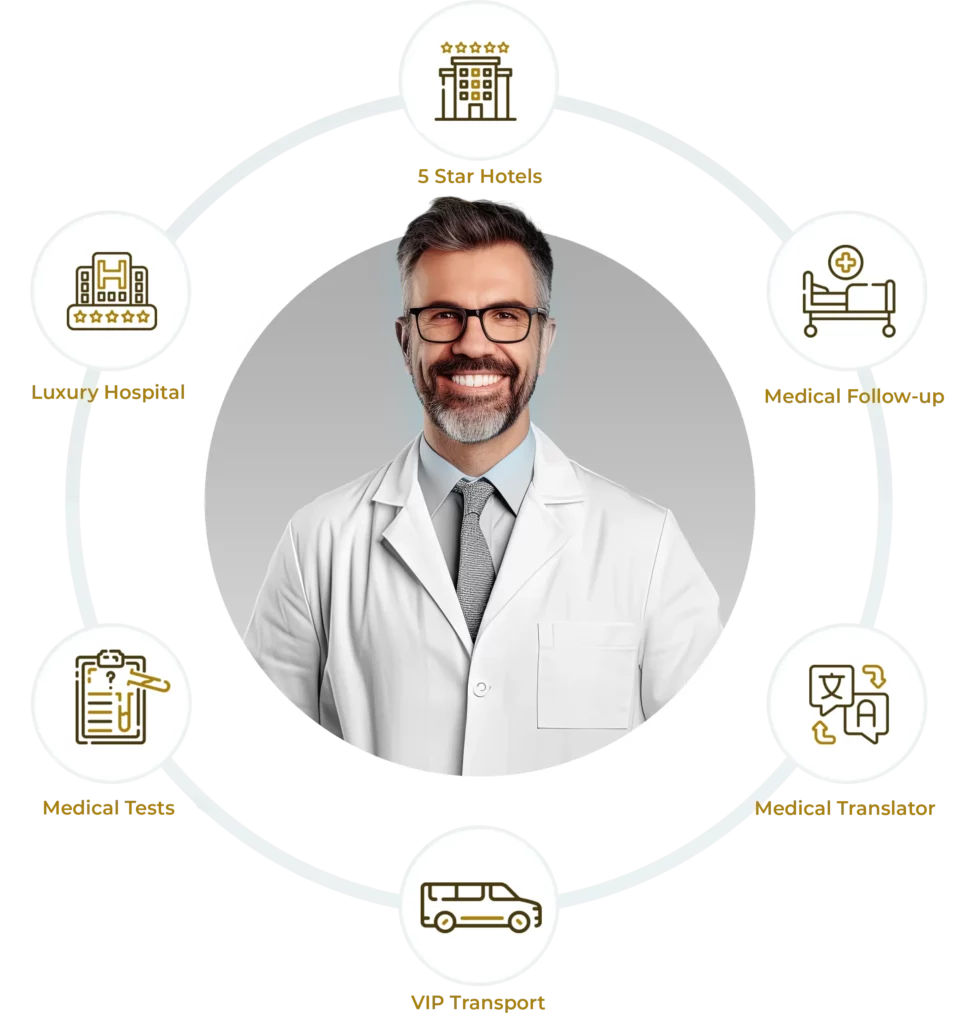
Get a free consultation by filling out the form. Our experts are ready to guide you through your jaw surgery surgery journey in Turkey, answer your questions, and help you achieve your health and body transformation goals.
Initial healing requires 6-8 weeks, with soft diet restrictions for the first 4-6 weeks. Most patients return to work after 2-3 weeks, though complete bone healing takes 3-6 months. During your 7-day stay in Istanbul, you'll progress from liquid to soft foods under medical supervision. Full orthodontic treatment completion typically occurs 12-18 months post-surgery, coordinated with your home orthodontist.
Yes, when performed in JCI-accredited facilities by board-certified surgeons like those at Carely Clinic. Turkey's medical tourism standards are strictly regulated by the Ministry of Health, with facilities meeting international safety protocols. Our complication rates for orthognathic surgery Istanbul procedures are approximately 4% globally, identical to rates in Western countries (International Journal of Oral Surgery, 2024). Our ISO 9001 certification and Class A designation ensure the highest safety standards.
Most patients require pre-surgical orthodontics (12-18 months) to properly align teeth for optimal surgical outcomes. This preparation phase is typically completed in your home country before traveling to Istanbul. Post-surgical braces (6-12 months) fine-tune the final bite relationship and ensure long-term stability. We coordinate closely with your orthodontist throughout the entire treatment timeline.
Our comprehensive jaw surgery Turkey package includes surgeon fees, 3D surgical planning, general anesthesia, operating room costs, 1-2 nights hospital stay, 7 nights hotel accommodation, airport transfers, post-operative medications, all follow-up appointments during your stay, and 24/7 patient coordinator support. The only additional costs are flights, meals, and any optional tourism activities during recovery.
Yes, many patients combine orthognathic surgery with procedures like rhinoplasty, chin augmentation, or genioplasty for comprehensive facial harmony. This approach can be more cost-effective and reduces overall recovery time when properly planned. During your consultation, our surgeons will evaluate which combination procedures are safe and beneficial for your specific case.
Complete pre-surgical orthodontics as directed, maintain excellent oral hygiene, arrange 10-14 days away from work, organize childcare or pet care, and prepare soft foods for your return home. Stop smoking at least 4 weeks before surgery, discontinue blood-thinning medications as advised, and ensure you have someone to assist you during initial recovery. We provide detailed preparation checklists upon booking.
Our aftercare extends well beyond your Istanbul stay. You'll have direct access to your surgical team via telemedicine for any concerns during recovery. We maintain relationships with affiliated orthodontists and oral surgeons in major cities worldwide for emergency care if needed. Most post-operative issues are minor and easily managed through our remote monitoring system and local healthcare coordination.
We provide detailed treatment records, surgical reports, and post-operative X-rays to share with your orthodontist. Our surgical team communicates directly with your home orthodontist to coordinate the final phase of treatment. We recommend scheduling your first post-surgical orthodontic appointment 4-6 weeks after returning home. Many orthodontists worldwide are familiar with Turkish surgical standards and readily collaborate with our team for optimal results.
Yes, flying 7-10 days post-surgery is generally safe for most patients. Our surgical protocol is specifically designed for international patients who need to travel home during early recovery. We provide medical clearance letters for airlines and recommend aisle seats for easier movement. Cabin pressure changes don't typically affect jaw surgery healing, unlike some other procedures. We'll assess your individual healing progress before approving travel.
Our facility provides 24/7 emergency coverage with English-speaking medical staff. For urgent issues outside normal hours, you'll have direct phone access to our on-call surgical team. Our patient coordinators maintain relationships with nearby hospitals for any rare complications requiring additional care. Your hotel accommodation is selected based on proximity to medical facilities, ensuring quick access to care if needed.
Absolutely, and we encourage it. Companion accommodations can be arranged at your hotel, and family members are welcome at all medical appointments. Having support during recovery significantly improves the experience, especially for assistance with meals and medication management. Our concierge services can arrange cultural activities for companions while you're resting, making the trip enjoyable for everyone involved.
We utilize state-of-the-art 3D cone beam CT imaging for precise surgical planning, computer-guided surgical navigation systems, and piezoelectric bone cutting instruments for enhanced precision and reduced trauma. Our virtual surgical planning allows you to see predicted outcomes before surgery. Intraoperative monitoring ensures optimal jaw positioning, while advanced anesthesia monitoring maintains your safety throughout the procedure.
Our nutrition team provides culturally appropriate liquid meal options, including Turkish favorites like lentil soup, ayran (yogurt drink), and fruit smoothies. Local markets offer excellent fresh juices and broths. Your hotel can prepare blended meals, and we provide a list of nearby restaurants offering suitable options. Protein shakes and nutritional supplements ensure adequate nutrition during the liquid phase. Most patients find Turkish cuisine very accommodating for soft diet requirements.
Turkey offers the unique combination of European surgical standards, competitive pricing, and excellent accessibility. Compared to Thailand or Mexico, Turkey's geographic proximity to Europe means shorter travel times and similar time zones. Turkish surgeons often have US or European training, providing familiar surgical approaches. Jaw surgery Turkey costs remain 60-70% lower than Western countries while maintaining JCI accreditation standards found in top medical tourism destinations.
WhatsApp us