
Quick Summary
Swallowable gastric balloons eliminate endoscopy and anesthesia requirements by using a capsule that inflates in the stomach during a 15-20 minute outpatient procedure, with 99.9% successful placement rates according to multicenter studies.
The Allurion (Elipse) swallowable balloon stays in place for 16 weeks, helping patients achieve 10-15% total body weight loss, and naturally deflates and passes through the digestive system without requiring removal procedures.
This guide covers how swallowable balloons work, comparison with traditional endoscopic balloons, eligibility requirements, costs across countries, expected weight loss results, and safety considerations for this non-surgical weight loss option.
Why Trust This Guide
This content is based on peer-reviewed research from Obesity Surgery, FDA guidelines, American Society for Gastrointestinal Endoscopy (ASGE) recommendations, and multicenter clinical studies involving over 5,000 patients. Our information reflects the latest 2024-2025 data on swallowable intragastric balloon systems and their outcomes.
Carely Clinic maintains JCI accreditation standards and works with board-certified bariatric specialists who have performed thousands of gastric balloon procedures using the most current protocols and safety standards.
What Is a Gastric Balloon Without Endoscopy?
A gastric balloon without endoscopy is a swallowable capsule system that inflates inside the stomach without requiring sedation, surgery, or endoscopic insertion, with the Allurion balloon achieving 99.9% successful placement rates in multicenter studies.
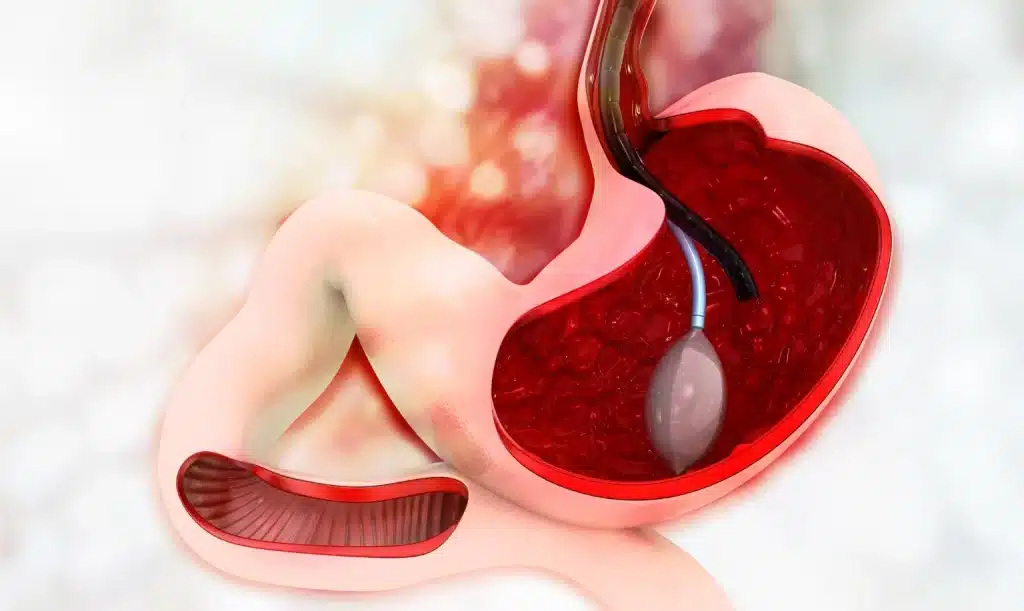
The swallowable intragastric balloon represents the first procedure-free gastric balloon technology approved for weight loss. Unlike traditional balloons that require endoscopic placement under sedation, this system involves swallowing a capsule containing a deflated balloon attached to a thin catheter.
Once the capsule reaches the stomach (confirmed by X-ray), medical professionals fill the balloon with saline solution through the catheter, which is then gently removed. The entire placement process takes 15-20 minutes during an outpatient visit.
The Innovation Behind Procedure-Free Technology
The Allurion balloon (also marketed as Elipse) was developed in the 2010s specifically to eliminate the barriers associated with traditional endoscopic procedures. According to research published in Obesity Surgery, this innovation extended access to gastric balloon therapy beyond endoscopists and surgeons to include obesity medicine specialists.
The key technological advancement involves a time-activated valve system. After approximately 16 weeks, a biodegradable filament dissolves, opening the valve and allowing the balloon to self-deflate. The emptied balloon then passes naturally through the gastrointestinal tract without requiring removal procedures.
Who Benefits Most from This Option
Swallowable balloons particularly benefit patients who are hesitant about sedation or endoscopy, those with busy schedules requiring minimal downtime, individuals seeking temporary weight loss assistance, and patients preparing for bariatric surgery who need initial weight reduction.
The procedure-free approach removes anesthesia-related risks and eliminates the need for two endoscopic procedures (placement and removal), making it more accessible and convenient compared to traditional intragastric balloons.
How the Swallowable Balloon Works
The swallowable balloon occupies approximately 550ml of stomach space, creating mechanical satiety by reducing stomach capacity and slowing gastric emptying to extend fullness duration between meals.
The mechanism of action mirrors traditional gastric balloons but delivery is fundamentally different. The balloon compresses into a capsule measuring approximately 12×25mm, connected to a 75-80cm catheter for inflation once positioned in the stomach.
Patients swallow the capsule with water under medical supervision. X-ray imaging confirms proper stomach positioning before healthcare providers infuse 450-550ml of saline solution through the catheter. A second X-ray verifies complete inflation before catheter removal.
Physical and Hormonal Effects
Once inflated, the balloon takes up roughly one-third of stomach volume. This creates both physical restriction and potential hormonal changes. Studies suggest intragastric balloons may influence ghrelin production (the hunger hormone), contributing to reduced appetite even after balloon removal.
The balloon’s polyurethane material is thinner and more flexible than traditional silicone balloons. This malleable design allows the balloon to adapt to stomach movements and contractions, potentially reducing intolerance rates compared to rigid silicone alternatives.
Expert Insight
“The Allurion swallowable balloon demonstrates significantly lower intolerance rates at 2.3% compared to traditional endoscopic balloons at 14.4%, with overall serious adverse events 10 times lower than liquid-filled silicone balloons according to multicenter comparative data.”
— Source: Obesity Surgery Journal, 2020
Natural Deflation and Passage
After 16 weeks, the time-activated valve mechanism initiates balloon deflation. The saline solution empties into the stomach and is absorbed by the body. The deflated balloon material passes through the intestinal tract within 24-72 hours, though some patients report not noticing its passage at all.
In rare cases (approximately 0.6% according to multicenter data), the deflated balloon may be vomited rather than passing through the intestines. This occurrence is not associated with adverse events and requires no intervention.
Swallowable vs Traditional Endoscopic Balloons
Swallowable balloons require no sedation, endoscopy, or removal procedures with placement taking 15 minutes, while traditional balloons need two endoscopic procedures under sedation with each session lasting 20-30 minutes.
The fundamental difference between swallowable and traditional gastric balloons centers on placement and removal methodology. Traditional systems like Orbera require endoscopic insertion under conscious sedation, balloon deflation via endoscopy after 6 months, and two separate medical procedures with associated recovery time.
| Factor | Swallowable (Allurion) | Traditional (Orbera) |
|---|---|---|
| Placement Method | Swallowed capsule | Endoscopic insertion |
| Anesthesia Required | None | Conscious sedation |
| Placement Duration | 15-20 minutes | 20-30 minutes |
| Duration in Body | 16 weeks | 6 months |
| Removal Process | Natural passage (self-deflates) | Endoscopic removal |
| Material | Polyurethane (thin, flexible) | Silicone (rigid) |
| Fill Volume | 450-550ml (fixed) | 500-700ml (adjustable) |
| Intolerance Rate | 1-3% | 10-14.4% |
| Early Removal Rate | 2.3-2.9% | 9-10% |
| Weight Loss (% TBWL) | 10-15% at 4 months | 10-15% at 6 months |
| Recovery Time | 3-7 days adjustment | 3-7 days adjustment |
| Time Off Work | 0-1 days | 1-2 days |
Key Advantages of Swallowable Systems
The elimination of endoscopy provides multiple benefits beyond patient convenience. Without sedation requirements, patients avoid anesthesia-related risks including respiratory complications, cardiovascular events, and adverse medication reactions. The absence of endoscopy also eliminates risks of esophageal or gastric perforation during insertion.
Clinical data shows significantly lower complication rates with swallowable balloons. According to research analyzing 1,770 patients, serious adverse events occurred in fewer than 0.2% of swallowable balloon patients, compared to rates as high as 5.6% in traditional balloon systems.
When Traditional Balloons May Be Preferred
Traditional endoscopic balloons offer some advantages. The 6-month duration provides longer restriction period, adjustable fill volumes allow customization, and pre-procedure endoscopy identifies contraindications like ulcers or varices. Patients requiring longer treatment duration or those comfortable with sedation may benefit from traditional systems.
Additionally, traditional balloons can be removed early if intolerance occurs, while swallowable balloons require endoscopic removal only in rare cases of severe intolerance (1-3% of patients). The choice between systems should reflect individual preferences, medical history, and treatment goals.
Eligibility Requirements
Swallowable gastric balloon eligibility typically requires BMI of 27 or higher, though patients with BMI 30-40 represent the primary candidate range according to international obesity center protocols.
Body Mass Index serves as the primary screening criterion, though clinical judgment incorporates multiple factors. According to ASGE guidelines and manufacturer recommendations, swallowable balloons are appropriate for adults struggling with overweight or obesity who have attempted weight loss through diet and exercise without sustained success.
BMI Thresholds and Medical Context
The standard BMI requirements for swallowable balloons include:
Primary Candidates: BMI 30-40 represents the core eligibility range. These patients typically have too low a BMI for bariatric surgery consideration but sufficient excess weight to benefit from balloon assistance.
Lower BMI With Comorbidities: Patients with BMI 27-29.9 may qualify if they have weight-related health conditions such as type 2 diabetes, hypertension, sleep apnea, fatty liver disease, or dyslipidemia. Weight reduction in this group can significantly improve metabolic health.
Higher BMI Applications: Individuals with BMI over 40 may use swallowable balloons as bridging therapy before bariatric surgery, helping reduce surgical risks through initial weight loss. Some extremely high BMI patients use balloons to achieve mobility improvements facilitating lifestyle changes.
Expert Insight
“Multicenter studies of 1,770 patients showed mean baseline BMI of 34.4 kg/m² with successful treatment across a range from BMI 27 to over 45, demonstrating the balloon’s effectiveness across diverse patient populations when combined with comprehensive lifestyle support.”
— Source: Obesity Surgery, 2020
Medical and Psychological Criteria
Beyond BMI, eligibility assessment includes medical screening for contraindications and psychological evaluation to ensure realistic expectations. Patients must demonstrate willingness to participate in nutritional counseling and lifestyle modification programs accompanying the balloon.
Age Requirements: Most programs accept patients aged 16-65, though some extend to 18-65 depending on regional regulations. Younger patients require particularly careful assessment of psychological readiness and family support systems.
Weight Loss History: Candidates should have documented previous weight loss attempts through diet and exercise. The balloon serves as an adjunct to lifestyle modification, not a replacement for healthy behaviors.
Commitment to Behavior Change: Success requires active participation in nutritional counseling, regular physical activity, and adherence to dietary guidelines. Patients unwilling to make lifestyle changes typically experience suboptimal results.
Medical Contraindications
Several conditions preclude swallowable balloon placement:
Gastrointestinal Contraindications: Previous stomach or esophageal surgery (except appendectomy, cholecystectomy, or diagnostic laparoscopy), history of perforated appendix, three or more cesarean sections, swallowing disorders (achalasia, strictures, diverticula), inflammatory bowel disease, active gastric ulcers, gastrointestinal bleeding, and intestinal obstruction history.
Systemic Contraindications: Pregnancy or plans to become pregnant during treatment, severe liver disease with cirrhosis, coagulopathy or bleeding disorders, and inability to discontinue NSAIDs or aspirin during balloon residence.
Psychological Contraindications: Active eating disorders (bulimia, binge eating disorder), untreated severe psychiatric conditions, and active substance abuse including alcoholism.
Screening Process
Comprehensive evaluation before balloon placement typically includes medical history review, physical examination, laboratory tests (complete blood count, metabolic panel, liver function), psychological assessment, nutritional counseling, and discussion of realistic expectations and commitment requirements.
Expected Weight Loss Results
Swallowable gastric balloon patients achieve average total body weight loss of 10-15% over 16 weeks, with multicenter studies showing mean weight reduction of 13.5kg and 14.2% total body weight loss.
Weight loss outcomes with swallowable balloons compare favorably to traditional 6-month endoscopic systems despite the shorter 16-week duration. Research demonstrates most balloon-associated weight loss occurs in the first 3-4 months, with approximately 80% of total loss achieved during this initial period.
Detailed Weight Loss Data
According to a multicenter study of 1,770 patients published in Obesity Surgery:
Average Weight Loss: 13.5 kg (approximately 30 pounds) over 4 months. Individual results ranged from 5 kg to over 25 kg depending on baseline weight, adherence to dietary guidelines, and activity levels.
Percentage Metrics: 14.2% total body weight loss and 67% excess weight loss at 4 months. BMI reduction averaged 4.9 points, moving many patients from obesity classifications to overweight or normal ranges.
Predictors of Success: Higher baseline BMI correlated with greater absolute weight loss, though percentage loss remained consistent across BMI ranges. Active participation in lifestyle coaching programs significantly improved outcomes.
Long-Term Weight Maintenance
A critical question concerns weight maintenance after balloon passage. According to one-year follow-up studies, patients sustain 95-96% of their balloon-achieved weight loss at 12 months post-passage when continuing lifestyle modification programs.
Research involving 522 patients showed continued weight loss after balloon passage in many cases. At 16 months (12 months post-balloon), patients demonstrated sustained improvements in metabolic parameters including triglycerides, LDL cholesterol, and HbA1c levels.
Factors Affecting Weight Loss Success
Several variables influence individual outcomes:
Dietary Adherence: Following recommended nutritional guidelines during and after balloon residency significantly impacts results. Patients who maintain portion control and healthy food choices experience better outcomes.
Physical Activity: Regular exercise combined with balloon restriction enhances weight loss. Studies show patients incorporating 150+ minutes weekly moderate activity achieve superior results.
Behavioral Support: Participation in structured lifestyle coaching programs doubles weight loss compared to balloon alone. The Allurion program includes digital health tracking, nutritional counseling, and psychological support.
Sequential Balloon Placement: Some patients choose repeat balloon placement after completing the first 16-week cycle. Data shows sequential balloons can produce cumulative 23% total body weight loss over 12 months compared to 16% with single longer-duration balloons.
Metabolic Health Improvements
Beyond weight loss, swallowable balloons produce significant metabolic benefits. Studies document improvements in fasting glucose levels, insulin sensitivity markers, lipid profiles (triglycerides and cholesterol), liver enzyme normalization in fatty liver disease, and blood pressure reductions.
These improvements occur rapidly, often within the first 4-8 weeks, suggesting mechanisms beyond simple weight loss may contribute to metabolic enhancement.
Procedure Process and Timeline
The swallowable balloon placement requires 15-20 minutes for capsule swallowing, two X-ray confirmations, saline inflation through the attached catheter, and catheter removal before patients return to normal activities.
The procedure-free approach eliminates hospital admission, operating room requirements, anesthesia team involvement, and recovery room monitoring. Most patients complete placement during a brief clinic visit without time off work.
Pre-Procedure Preparation
Patients undergo comprehensive evaluation 1-2 weeks before placement including medical history review, physical examination confirming no contraindications, laboratory testing, nutritional counseling session, psychological assessment, and signing informed consent after discussing risks and benefits.
Immediate pre-procedure requirements include fasting for 8 hours before appointment (no food or drink), arriving at clinic with support person for transportation if desired, and wearing comfortable clothing.
Step-by-Step Placement Process
Step 1: Capsule Swallowing (2-3 minutes) Patients swallow the capsule containing the deflated balloon with water under medical supervision. The capsule is approximately the size of a large vitamin pill (12×25mm) with a thin catheter extending from the mouth.
According to multicenter data, 99.9% of patients successfully swallow the capsule on first attempt. Healthcare providers may use a stylet (gentle advancement tool) in approximately 35-40% of cases to facilitate swallowing, but this remains non-invasive.
Step 2: Position Confirmation (2-3 minutes) Once swallowed, X-ray imaging confirms the capsule has reached the stomach and is properly positioned. This verification prevents inflation in the esophagus or intestine, which could cause serious complications.
Step 3: Balloon Inflation (5-8 minutes) Healthcare providers connect the external catheter to a saline reservoir and slowly infuse 450-550ml of sterile saline solution. The balloon gradually inflates over several minutes while patients remain comfortable.
Step 4: Final Verification (2-3 minutes) A second X-ray confirms complete inflation and optimal balloon positioning. This double-check system ensures safety before catheter removal.
Step 5: Catheter Removal (1-2 minutes) The thin catheter detaches from the sealed balloon valve and is gently withdrawn through the mouth. The balloon remains securely sealed in the stomach, and patients can leave the clinic shortly after.
Immediate Post-Procedure Period
Most patients experience manageable side effects during the first 3-7 days as the stomach adjusts to the balloon’s presence. Healthcare providers prescribe anti-nausea medications, proton pump inhibitors, and pain relievers to manage this adaptation period.
Patients typically resume normal activities within 24-48 hours, though some prefer 1-2 days rest depending on symptom severity. Desk work generally resumes immediately, while strenuous exercise may wait 3-7 days.
Living With the Balloon (Weeks 1-16)
The 16-week balloon residency period follows a structured program including progressive dietary advancement from liquids to soft foods to regular diet, regular check-ins with nutritional counselors, activity tracking via digital health tools, and monthly weight monitoring.
Dietary guidelines emphasize protein intake (60-80g daily), adequate hydration (1.5-2 liters daily), small frequent meals (5-6 per day), and avoiding high-sugar, high-fat foods that can trigger discomfort.
Balloon Passage (Week 16-17)
The time-activated valve opens around week 16, deflating the balloon. The saline is absorbed by the body, and the deflated balloon passes through the gastrointestinal tract naturally, typically within 24-72 hours.
Most patients (approximately 89%) never notice balloon passage. About 11% report seeing the deflated balloon in stool, which appears as a small, collapsed pouch. In rare cases (0.6%), patients may vomit the deflated balloon, which is not associated with complications.
Healthcare providers monitor for signs of early deflation (sudden increased hunger, green-tinted urine from tracer dye) and balloon passage. If concerning symptoms develop, patients contact their medical team immediately.
Safety, Risks, and Side Effects
Swallowable gastric balloons demonstrate serious adverse event rates of 0.2% or less, with intolerance requiring early removal in 1-3% of patients according to large-scale multicenter studies.
The safety profile of swallowable balloons compares favorably to traditional endoscopic systems largely due to elimination of sedation-related risks and endoscopy-associated complications. However, like any medical intervention, gastric balloons carry specific risks requiring informed decision-making.
Common Side Effects (First Week)
Most patients experience temporary side effects during stomach adaptation:
Nausea and Vomiting: Occurs in 80-90% of patients during the first 3-7 days. The stomach perceives the balloon as foreign material and attempts to expel it. Anti-emetic medications effectively manage these symptoms, which typically resolve as the stomach adjusts.
Abdominal Pain and Cramping: Experienced by 33-80% of patients early in treatment. Discomfort ranges from mild fullness to moderate cramping. Pain medications and antispasmodic drugs provide relief during the adjustment period.
Gastroesophageal Reflux: Affects approximately 52% of patients. The balloon can increase pressure at the gastroesophageal junction, promoting acid reflux. Proton pump inhibitors effectively control this side effect.
Headache and Fatigue: Reported by 12-24% of patients, likely related to dietary changes and temporary dehydration. Adequate hydration and rest typically resolve these symptoms.
Bad Breath: Some patients notice altered breath odor related to dietary changes and gastric effects. Good oral hygiene and dietary modifications help manage this minor issue.
Serious Complications (Rare)
While uncommon, potentially serious complications require awareness:
Intolerance Requiring Removal (1-3%): Some patients cannot tolerate balloon presence despite medical management. Severe persistent vomiting, dehydration, or inability to maintain adequate nutrition necessitates early endoscopic removal.
Early Deflation (0.6-2.4%): Spontaneous balloon deflation before 14 weeks occurs rarely. Most deflations pass uneventfully, but one study reported gastric outlet obstruction in a patient with early deflation requiring endoscopic removal.
Gastric Obstruction (<0.5%): Extremely rare cases of balloon causing gastric outlet obstruction or, after deflation, small bowel obstruction. These complications require immediate medical attention and may necessitate endoscopic or surgical intervention.
Hyperinflation (0.02-0.3%): Very rare spontaneous balloon overinflation causing severe abdominal pain, distention, and breathing difficulty. Requires immediate endoscopic balloon deflation.
Esophageal or Gastric Perforation (<0.1%): Extraordinarily rare with swallowable systems (more common with traditional endoscopic placement). Most reported cases involved incorrect inflation before confirming stomach positioning or underlying undiagnosed conditions.
Acute Pancreatitis (0.06%): Rare complication potentially resulting from mechanical pressure of the balloon on the pancreas through the gastric wall. Typically resolves after balloon removal.
Expert Insight
“The swallowable balloon’s serious adverse event rate of 0.2% represents a 10-fold safety improvement over traditional liquid-filled balloons at 2-3%, primarily due to eliminating endoscopy-related complications and using more biocompatible polyurethane materials.”
— Source: Clinical Trial Data Analysis, 2020-2024
Warning Signs Requiring Immediate Medical Attention
Patients should urgently contact healthcare providers for:
- Severe, persistent abdominal pain not relieved by prescribed medications
- Persistent vomiting preventing fluid intake (dehydration risk)
- Inability to swallow liquids or solids
- Severe difficulty breathing or chest pain
- Black or bloody stools or vomit
- Sudden onset of severe back pain (potential pancreatitis)
- Green-tinted urine indicating early deflation with sudden increased hunger
Safety Comparison: Swallowable vs Traditional
Research comparing safety profiles shows swallowable balloons have advantages in several areas:
Lower Overall Complications: Studies report 10-fold lower serious adverse events with swallowable systems compared to traditional silicone balloons.
Reduced Intolerance: Early removal rates of 1-3% for swallowable balloons versus 9-14.4% for traditional systems reflect better tolerability.
Elimination of Sedation Risks: Removing anesthesia eliminates associated complications including respiratory depression, allergic reactions, cardiovascular events, and aspiration risks.
No Endoscopy-Related Injuries: Perforation during insertion/removal, esophageal trauma, and bleeding from endoscopic manipulation are eliminated.
FDA and Regulatory Status
The Allurion swallowable balloon has received CE mark approval in Europe and is widely used internationally. As of 2025, it remains investigational in the United States pending FDA review, though the FDA has approved it for use in clinical trials.
Traditional liquid-filled balloons (Orbera, ReShape) received FDA approval in 2015-2016. The FDA issued safety communications regarding balloon over-inflation and pancreatitis risks with these systems, leading to enhanced monitoring protocols.
Cost Comparison by Country
Swallowable gastric balloon costs range from €1,250-€2,500 in Turkey compared to €3,000-€8,000 in the UK and $4,500-$9,000 in the USA, representing 50-75% savings for international patients.
Price variations between countries reflect differences in healthcare infrastructure costs, labor expenses, regulatory environments, and market competition. Medical tourism destinations like Turkey offer identical technology and international quality standards at significantly lower prices.
| Country | Swallowable Balloon Cost | Traditional Balloon Cost | What’s Typically Included |
|---|---|---|---|
| Turkey | €1,250-€2,500 ($1,000-$2,500) |
€2,000-€3,500 | All-inclusive packages: procedure, consultations, medications, follow-up, VIP transfers, accommodation |
| United Kingdom | £3,000-£8,000 (€3,500-€9,300) |
£4,000-£10,000 | Procedure, initial consultation, 1-3 follow-ups; additional costs for extended support |
| United States | $4,500-$9,000 (€4,100-€8,200) |
$6,000-$15,000 | Procedure, physician fees; support program often separate ($1,000-$2,000 additional) |
| Spain | €3,500-€5,500 | €4,500-€7,000 | Procedure, consultations, basic follow-up; nutritional counseling may be extra |
| Poland | €2,000-€3,500 | €2,500-€4,500 | Procedure, consultations, medications, basic support program |
| India | $1,500-$3,000 (€1,400-€2,750) |
$2,000-$4,000 | Procedure, consultations, medications; accommodation and transfers usually separate |
What’s Included in Swallowable Balloon Packages
Standard Components: All packages include the balloon device itself, placement procedure with X-ray imaging, initial medical consultation, prescribed medications (anti-nausea, proton pump inhibitors, pain management), and basic follow-up care.
Enhanced Programs: Comprehensive programs add digital health tracking tools (smart scale, health tracker watch, mobile app), 6-month nutritional counseling program, regular check-ins with dietitians, psychological support, and extended post-passage follow-up.
Medical Tourism Packages (Turkey): All-inclusive international patient packages typically provide airport VIP transfers, hotel accommodation (2-3 nights), interpreter services, pre-operative testing, post-procedure medications, comprehensive support program, and 24/7 medical team contact.
What’s Not Typically Included
Patients should budget for potential additional costs:
- Travel and accommodation (unless part of medical tourism package)
- Travel insurance and medical tourism insurance
- Pre-procedure lab work done at home
- Post-procedure complications requiring treatment
- Early balloon removal if intolerance occurs (endoscopy fees)
- Sequential balloon placement (if choosing repeat treatment)
- Ongoing nutritional supplements and vitamins
Why Turkey Offers Lower Costs
Price advantages in Turkey result from multiple factors without compromising quality:
Lower Operating Costs: Facility expenses, staff salaries, and administrative overhead are significantly lower than Western countries while maintaining international standards.
Government Support: Turkey’s Ministry of Health actively promotes medical tourism through infrastructure development and streamlined international patient services.
High Competition: Istanbul alone hosts dozens of JCI-accredited hospitals specializing in bariatric procedures, creating competitive pricing environments.
Volume Efficiency: High patient volumes allow clinics to negotiate better device pricing and maintain efficiency, passing savings to patients.
Currency Factors: Exchange rate advantages make procedures more affordable for patients paying in euros, pounds, or dollars.
Value Considerations Beyond Price
Choosing providers should prioritize factors beyond cost alone:
Accreditation Status: JCI (Joint Commission International) accreditation ensures compliance with international safety and quality standards comparable to American or European hospitals.
Surgeon Experience: Board-certified bariatric specialists with extensive gastric balloon experience produce better outcomes and lower complication rates.
Comprehensive Support: Programs including nutritional counseling, psychological support, and digital health tracking significantly improve long-term success.
Aftercare Accessibility: Consider follow-up care logistics, especially for international patients. Reputable clinics provide remote monitoring and local follow-up coordination.
How This Applies in Turkey
Turkey’s JCI-accredited hospitals follow identical swallowable balloon protocols as American and European institutions, with board-certified specialists performing procedures using FDA-cleared Allurion systems at costs 60-75% lower than Western countries.
Turkish bariatric centers have performed over 50,000 gastric balloon procedures, establishing Istanbul as a leading medical tourism destination for weight loss treatments. International patient services include English-speaking medical teams, streamlined visa processes, and comprehensive support systems.
Turkey-Specific Advantages for Swallowable Balloons
Cost Savings: Swallowable balloon packages in Turkey range from €1,250-€2,500 all-inclusive, compared to €3,000-€8,000 in the UK and $4,500-$9,000 in the USA. Savings of 60-75% allow patients to afford comprehensive treatment including extended support programs.
All-Inclusive Packages: Turkish medical tourism packages typically include procedure, all consultations, prescribed medications, digital health tracking tools (scale, watch, app), 6-month nutritional counseling program, VIP airport transfers, hotel accommodation (2-3 nights), and interpreter services.
Accessibility: International patients complete the entire process within 2-3 days, compared to weeks or months waiting for appointments in countries with insurance authorization requirements. Same-week scheduling is common.
JCI Accreditation: Turkey hosts 50+ JCI-accredited hospitals, more than any country outside the United States. These facilities meet the same safety and quality standards as top American and European hospitals.
Timeline for International Patients
Pre-Arrival (1-2 weeks): Virtual consultation with medical team, sharing medical history and laboratory results, confirmation of eligibility, and travel arrangements.
Day 1: Arrival in Istanbul, VIP airport transfer to hotel, rest and acclimatization.
Day 2: Hospital arrival, final medical evaluation and blood tests (2-3 hours), balloon placement procedure (15-20 minutes), observation period (1-2 hours), return to hotel with medications.
Day 3: Follow-up consultation with medical team, nutritional counseling session, digital health tools setup and training, departure clearance.
Post-Departure: Remote monitoring via digital health tools, regular check-ins with nutritional counselors via video, 24/7 medical team contact for concerns, and coordination with local physicians if needed.
Carely Clinic Specifically
At Carely Clinic in Istanbul, swallowable gastric balloon procedures are performed by board-certified obesity medicine specialists at JCI-accredited partner hospitals. Comprehensive packages include the Allurion balloon system, complete 6-month support program with nutritional counseling, digital health tracking tools, and all necessary medications.
International patients receive dedicated coordination throughout their journey including pre-travel consultations, VIP airport transfers, interpreter services, luxury hotel accommodation, and extended aftercare support. All packages provide transparent pricing with no hidden fees.
Learn more about Gastric Balloon at Carely Clinic.
Summary Comparison Table
| Feature | Swallowable Balloon | Traditional Endoscopic Balloon |
|---|---|---|
| Placement Method | Swallowed capsule with catheter | Endoscopic insertion under sedation |
| Anesthesia | None required | Conscious sedation required |
| Procedure Duration | 15-20 minutes | 20-30 minutes per procedure |
| Number of Procedures | One (placement only) | Two (placement and removal) |
| Duration in Stomach | 16 weeks (approximately 4 months) | 6 months (26 weeks) |
| Removal Process | Natural passage after self-deflation | Endoscopic removal under sedation |
| Balloon Material | Polyurethane (thin, flexible) | Silicone (thicker, rigid) |
| Fill Volume | 450-550ml saline (fixed) | 500-700ml saline (adjustable) |
| Success Rate (Placement) | 99.9% first-attempt success | ~98% success rate |
| Expected Weight Loss | 10-15% total body weight in 16 weeks | 10-15% total body weight in 6 months |
| Intolerance Rate | 1-3% requiring early removal | 9-14.4% requiring early removal |
| Serious Adverse Events | <0.2% rate | 2-5.6% rate |
| Recovery Time | 0-1 days off work | 1-2 days off work per procedure |
| Initial Side Effects | 3-7 days nausea/discomfort | 3-7 days nausea/discomfort |
| Cost (Turkey) | €1,250-€2,500 | €2,000-€3,500 |
| Cost (UK) | £3,000-£8,000 | £4,000-£10,000 |
| Cost (USA) | $4,500-$9,000 | $6,000-$15,000 |
| Ideal For | Patients seeking minimal intervention, those avoiding sedation, busy schedules | Patients preferring longer duration, those comfortable with endoscopy |
| Repeat Treatment | Unlimited repetitions possible | Sequential placement possible with breaks |
What to Expect: Timeline
Before Balloon Placement
Week -2 to -1: Initial consultation (virtual or in-person), medical history review and contraindication screening, laboratory testing (CBC, metabolic panel, liver function), psychological assessment, nutritional counseling session, informed consent discussion.
Day -1: Fast for 8 hours before procedure (no food or drink), take prescribed pre-medications if ordered, arrange transportation and support person, wear comfortable clothing.
Placement Day
Hour 0: Arrival at clinic, final vital signs check, review of procedure steps.
Hour 0.5: Capsule swallowing with water, first X-ray to confirm stomach position.
Hour 0.75: Saline inflation through catheter (5-8 minutes), second X-ray to verify complete inflation.
Hour 1: Catheter removal, brief observation period, discharge with medications and instructions.
Hour 1.5: Return home or to hotel, begin liquid diet.
Week 1: Adaptation Period
Days 1-3: Most intense side effects (nausea, cramping, reflux). Take prescribed anti-nausea and reflux medications. Liquid diet only. Rest as needed. Contact medical team if severe symptoms develop.
Days 4-7: Gradual symptom improvement in most patients. Begin soft foods if tolerating liquids well. Increase walking and light activity. First virtual check-in with medical team.
Weeks 2-4: Early Weight Loss Phase
Dietary Progression: Advance from soft foods to regular diet. Focus on protein intake (60-80g daily), small frequent meals (5-6 times daily), adequate hydration (1.5-2 liters daily).
Physical Activity: Resume normal daily activities. Begin structured exercise program (walking, swimming, low-impact cardio).
Weight Loss: Rapid weight loss phase begins. Average 0.5-1kg (1-2 pounds) per week. Some patients lose more initially.
Monitoring: Weekly weight checks, digital health app tracking, nutritional counseling sessions.
Weeks 5-12: Peak Weight Loss Phase
Maximum Effectiveness: 80% of total weight loss occurs during this period. Balloon restriction at peak effectiveness.
Lifestyle Integration: Establishment of new eating habits, portion control becomes natural, regular exercise routine solidified.
Medical Monitoring: Bi-weekly nutritional counseling, monthly medical check-ins, continuous digital health tracking.
Side Effects: Minimal by this phase. Occasional reflux or mild discomfort may occur.
Weeks 13-16: Final Weight Loss Phase
Continued Loss: Weight loss slows slightly but continues. Average total loss by week 16 reaches 10-15% of starting body weight.
Behavior Reinforcement: Intensive focus on habit formation for post-balloon success. Psychological support increases during this transition period.
Preparation for Passage: Education about natural balloon deflation and passage. Review of maintenance strategies.
Week 16-17: Balloon Passage
Natural Deflation: Time-activated valve opens, balloon deflates, saline absorbs. Most patients notice sudden increased hunger as primary indicator.
Passage: Deflated balloon passes through intestines within 24-72 hours. Approximately 89% of patients don’t notice passage, 11% see balloon in stool, 0.6% may vomit deflated balloon.
Monitoring: Report green-tinted urine (tracer dye from balloon) and passage to medical team. Contact provider if concerning symptoms develop.
Months 5-6: Immediate Post-Balloon Period
Weight Maintenance Focus: Without balloon restriction, behavior changes become crucial. Continue portion control, nutritional guidelines, and exercise routine established during balloon period.
Enhanced Support: Frequent nutritional counseling sessions, psychological support, problem-solving for challenges.
Outcome Monitoring: Weekly weigh-ins, food diary review, activity tracking.
Months 7-12: Long-Term Maintenance
Sustained Results: Studies show 95-96% of balloon-achieved weight loss maintained at 12 months with continued lifestyle program participation.
Continued Improvement: Some patients experience additional weight loss during this period through maintained behaviors.
Monitoring Schedule: Monthly check-ins reduce to quarterly, continuous access to support team.
Sequential Balloon Option: Patients may choose repeat balloon placement if desired for additional weight loss support.
Frequently Asked Questions
Is the swallowable gastric balloon safe?
Yes, swallowable gastric balloons are safe with serious adverse event rates under 0.2% in multicenter studies of 5,000+ patients. Most experience only temporary nausea during the first week.
How much weight can I lose with a swallowable balloon?
Average weight loss is 10-15% of total body weight over 16 weeks, typically 13-15kg. Individual results vary based on adherence to dietary guidelines and activity levels.
How long does the swallowable balloon stay in my stomach?
The swallowable balloon remains in the stomach for approximately 16 weeks. A time-activated valve opens automatically, deflating the balloon which then passes naturally through the digestive system.
Do I need surgery or endoscopy for placement or removal?
No, the swallowable balloon requires no surgery, endoscopy, or anesthesia. Placement takes 15-20 minutes swallowing a capsule. The balloon naturally deflates and passes after 16 weeks.
What does the placement procedure feel like?
The capsule swallows like a large vitamin pill. Saline inflation feels like drinking liquid and takes 5-8 minutes. Most patients experience no pain during placement.
Will people know I have a gastric balloon?
No, the procedure is completely discreet. The balloon is contained entirely within your stomach with no external visibility. Unless you tell people, no one will know.
How much does a swallowable gastric balloon cost?
Costs range from €1,250-€2,500 in Turkey, £3,000-£8,000 in UK, and $4,500-$9,000 in USA. Turkish packages include procedure, support program, medications, transfers, and accommodation.
Does insurance cover swallowable gastric balloons?
Most insurance plans do not cover swallowable gastric balloons as they’re considered elective. Some plans cover traditional balloons with medical necessity documentation. Patients typically pay out-of-pocket.
What can I eat with the balloon in place?
Liquid diet for days 1-2, soft foods days 3-7, then normal diet with modifications. Small frequent meals, high protein intake, adequate hydration, and avoiding high-sugar/high-fat foods.
Will I feel hungry with the balloon?
Hunger significantly reduces with the balloon in place. The balloon creates mechanical satiety and slows gastric emptying. Most patients feel satisfied with smaller portions and experience reduced cravings.
What are the most common side effects?
First 3-7 days bring nausea (80-90% of patients), abdominal cramping (33-80%), reflux (52%), headache (12%), and fatigue (24%). Symptoms resolve within one week with medications.
Can the balloon get stuck or cause blockage?
While inflated, the balloon stays in the stomach and cannot cause intestinal blockage. After deflation, it passes safely in 99.4% of cases. Small bowel obstruction occurs in fewer than 0.5%.
What happens if the balloon deflates early?
Early deflation occurs in 0.6-2.4% of patients. Most pass uneventfully through the digestive system. The balloon contains harmless saline and blue tracer dye causing green-tinted urine as an indicator.
How will I know when the balloon passes?
Most patients (89%) never notice balloon passage. Some (11%) see the deflated balloon in stool. Rare cases (0.6%) vomit the balloon. Sudden increased hunger indicates deflation.
Can I have another balloon after the first one passes?
Yes, there is no limit on repeat placements. Studies show two 16-week balloons over 12-18 months produce 23% total body weight loss versus 16% with single longer-duration balloons.
Will I regain the weight after the balloon is removed?
Studies show patients maintain 95-96% of balloon-achieved weight loss at 12 months with continued lifestyle support. Success depends on maintaining healthy eating habits and regular physical activity established during treatment.
Who is not eligible for swallowable gastric balloons?
Contraindications include previous stomach/esophageal surgery, perforated appendix history, three+ cesarean sections, swallowing disorders, inflammatory bowel disease, active ulcers, pregnancy, severe liver disease, coagulopathy, and untreated eating disorders.
How does the swallowable balloon compare to gastric sleeve surgery?
The balloon is temporary, non-surgical, and reversible with 10-15% weight loss and minimal risk. Gastric sleeve is permanent surgery producing 60-70% excess weight loss with higher risks and costs.
Can I exercise with the balloon in place?
Yes, exercise is encouraged and improves results. Avoid strenuous activity for 3-7 days initially. After that, gradually resume walking, swimming, cycling, and low-impact aerobics. Avoid contact sports risking abdominal trauma.
Is medical tourism to Turkey safe for this procedure?
Medical tourism to Turkey is safe at JCI-accredited hospitals with board-certified specialists. Turkey has 50+ JCI facilities meeting international standards. Research clinic credentials, surgeon experience, and patient reviews thoroughly.
Conclusion
Swallowable gastric balloons represent a significant advancement in non-surgical weight loss treatment, eliminating endoscopy and anesthesia requirements while maintaining comparable effectiveness to traditional systems. Clinical data from over 5,000 patients demonstrates 10-15% total body weight loss with 99.9% successful placement rates and serious adverse event rates under 0.2%.
The 16-week treatment duration optimally captures the peak weight loss period while minimizing time spent with an intragastric device. Studies show 95-96% of achieved weight loss sustains at one-year follow-up when patients continue lifestyle modification programs. This data supports the swallowable balloon’s role as an effective bridge between failed diet/exercise attempts and bariatric surgery consideration.
For international patients, Turkey offers identical technology and safety standards at 60-75% cost savings compared to Western countries. JCI-accredited facilities in Istanbul provide comprehensive all-inclusive packages with experienced medical teams, advanced digital health tracking, and complete nutritional support programs. The combination of affordability, quality, and accessibility makes Turkey an attractive destination for swallowable balloon treatment.
Success with any gastric balloon system requires commitment to behavioral change. The balloon serves as a tool facilitating portion control and appetite reduction, but long-term results depend on establishing sustainable healthy eating patterns and regular physical activity. Patients who view the balloon as a catalyst for lifestyle transformation rather than a standalone solution achieve the best outcomes.
If you’re considering a swallowable gastric balloon, research multiple providers, verify credentials and accreditations, review patient testimonials and outcomes data, and ensure comprehensive support programs are included. The investment in your health deserves careful consideration and selection of experienced medical teams committed to your long-term success.
Medical Review: Doç. Dr. Gökmen Öztürk, MD