
Quick Summary
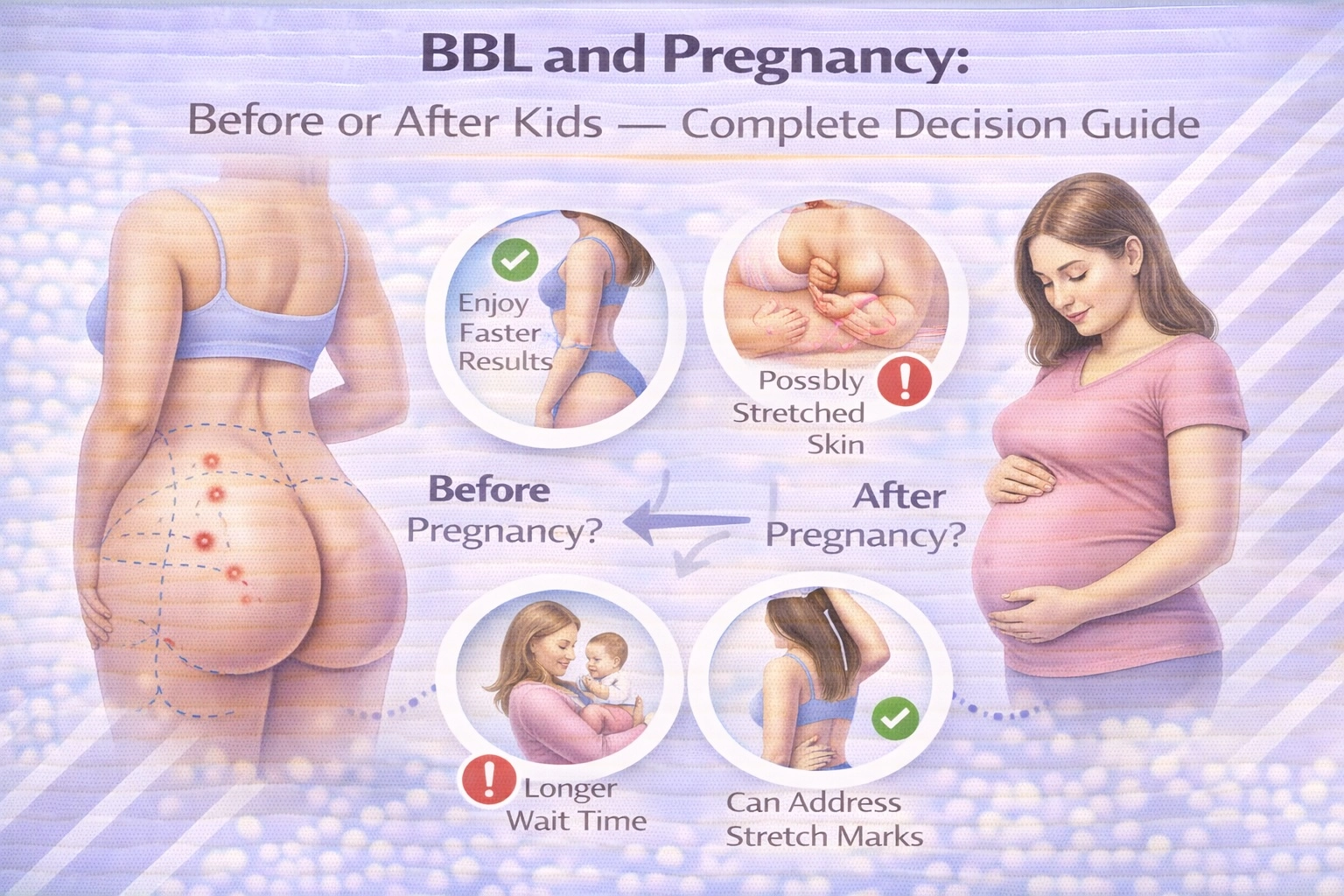
Should you get a BBL before or after pregnancy? you can safely have a Brazilian Butt Lift either before or after pregnancy — the procedure does not interfere with your ability to conceive, carry a baby, or give birth safely.
However, timing matters for optimal results. Having BBL after completing your family typically provides more stable long-term outcomes, while having it before means accepting that pregnancy may temporarily alter results (which usually return once you reach pre-pregnancy weight).
This comprehensive guide covers the ideal timing for BBL around pregnancy, how pregnancy affects results, recovery requirements, and what international patients need to consider.
Why Trust This Guide
This guide draws from current surgical guidelines including recommendations from the American Society of Plastic Surgeons (ASPS), the American Society for Aesthetic Plastic Surgery (ASAPS), and the International Society of Aesthetic Plastic Surgery (ISAPS).
At Carely Clinic, our board-certified plastic surgeons perform BBL procedures at JCI-accredited facilities in Istanbul, following identical safety protocols used at major American and European medical centers. We believe patients deserve transparent, medically accurate information to make confident decisions about their bodies.
Quick Answer: BBL Before or After Pregnancy?
BBL does not affect fertility, pregnancy, or childbirth — unlike procedures like tummy tucks, it involves no abdominal muscle repair that pregnancy would reverse, making it a safer choice for women who haven’t completed their families.
The key question isn’t safety — it’s whether you’re comfortable with the possibility that pregnancy-related weight changes may temporarily alter your BBL results. Most women find their results return once they reach their pre-pregnancy weight, though some may choose revision procedures afterward.
If you plan to have children within the next 1-2 years, waiting until after your last pregnancy typically makes more sense. If children are 3+ years away or uncertain, there’s no medical reason to delay enjoying your results now.
How Pregnancy Affects BBL Results
Pregnancy does not permanently destroy BBL results — the transferred fat cells are living tissue that behaves like any other fat in your body, expanding with weight gain and shrinking with weight loss.
During pregnancy, hormonal changes and weight gain cause fat cells throughout your body to expand, including the transferred fat in your buttocks. Most pregnancy weight gain occurs in the breasts, abdomen, and hips rather than directly affecting the buttocks themselves.
What Research Shows About Fat Survival
Studies indicate that approximately 60-70% of transferred fat cells survive long-term after a BBL procedure, becoming permanent once they establish blood supply in their new location. These surviving fat cells behave identically to your body’s original fat tissue.
According to the American Society of Plastic Surgeons, transferred fat that survives the initial 3-6 month integration period becomes a permanent part of your body. Weight fluctuations will cause these cells to grow or shrink proportionally, but they won’t disappear unless physically removed through additional liposuction.
Post-Pregnancy Changes
After childbirth, most women find their BBL results return as they lose pregnancy weight. The shape created by BBL surgery tends to persist because the fat distribution pattern established during the procedure remains intact.
However, some women experience changes in skin elasticity or overall body composition after pregnancy that may affect how their BBL results appear. These changes are typically minor and comparable to how pregnancy affects any other part of the body.
BBL Before Pregnancy: Pros and Cons
Having BBL before children allows you to enjoy your enhanced figure during the years before pregnancy and gives you time to fully heal before the physical demands of pregnancy and motherhood begin.
Advantages of BBL Before Pregnancy
Immediate enjoyment of results: You’ll have your enhanced figure for several years before pregnancy changes your body. Many women in their 20s and early 30s prefer not to wait indefinitely for a procedure that could boost confidence now.
Easier recovery period: Recovering from BBL requires 2-6 weeks of modified activity and careful sitting protocols. Without children to care for, you can focus entirely on proper healing.
Known starting point: If pregnancy does temporarily alter your results, you’ll have a clear baseline for comparison and can discuss any desired touch-ups with your surgeon afterward.
Liposuction benefits persist: The fat cells removed from your abdomen, flanks, and thighs during BBL are permanently eliminated. Even after pregnancy, these donor areas will have fewer fat cells, making post-pregnancy weight loss easier in those zones.
Disadvantages of BBL Before Pregnancy
Potential result changes: Significant weight gain during pregnancy may temporarily alter your buttock shape. While results typically return, this uncertainty concerns some patients.
Possible need for revision: If your body changes substantially after pregnancy, you might want a touch-up procedure. This means additional cost and another recovery period.
Timing considerations: You should wait at least 6-12 months after BBL before becoming pregnant to ensure complete healing and fat cell stabilization.
BBL After Pregnancy: Pros and Cons
Waiting until after completing your family provides the most predictable long-term results because your body has finished undergoing pregnancy-related changes.
Advantages of BBL After Pregnancy
Stable, lasting results: With no future pregnancies planned, your BBL results have the best chance of remaining unchanged long-term. You’ll know exactly what your body looks like post-children before surgery.
Combined procedure opportunity: Many women combine BBL with other post-pregnancy procedures like tummy tuck (abdominoplasty) or breast surgery as part of a “mommy makeover,” potentially saving on overall surgical costs and recovery time.
More fat available for transfer: Pregnancy often leaves women with additional fat deposits in the abdomen, flanks, and thighs — exactly the donor areas used for BBL. More available fat can mean larger volume transfer to the buttocks.
Address pregnancy-specific concerns: Post-pregnancy BBL can specifically target stubborn fat deposits that developed during pregnancy and haven’t responded to diet and exercise.
Disadvantages of BBL After Pregnancy
Delayed gratification: You may wait many years before having the procedure, depending on your family planning timeline.
Recovery with children: Caring for young children while recovering from BBL is challenging. You’ll need help with childcare for at least 2-3 weeks since you cannot lift, bend, or sit normally.
Breastfeeding considerations: You must stop breastfeeding at least 2 weeks before surgery, and some surgeons recommend waiting 3-6 months after weaning for hormone levels to stabilize completely.
Timing Requirements and Safety
Critical timing guidelines protect both your health and your results — rushing the timeline risks complications and suboptimal outcomes.
If You Have BBL First, Then Get Pregnant
Minimum wait before pregnancy: 6-12 months after BBL surgery. This allows complete healing of all incisions, full fat cell integration into blood supply, and stabilization of your final results.
Why waiting matters: During the first 3-6 months after BBL, transferred fat cells are establishing blood supply and integrating into surrounding tissue. Pregnancy during this period could disrupt this process and compromise fat survival rates.
If You Have BBL After Pregnancy
Minimum wait after vaginal delivery: 6 months post-childbirth. This allows your uterus to return to normal size, hormones to stabilize, and weight to normalize.
Minimum wait after C-section: 6-9 months, with additional time potentially needed for complete abdominal healing. Your surgeon will evaluate your individual recovery.
Minimum wait after breastfeeding: 2 weeks minimum after complete cessation; 3-6 months recommended for full hormonal normalization. Anesthesia medications can pass into breast milk, making surgery during active breastfeeding unsafe.
Weight Stability Requirements
Before any BBL procedure, you should be at a stable weight for at least 3-6 months. The ideal BMI for BBL candidates is typically between 22-32, though some surgeons work with patients outside this range on a case-by-case basis.
If you recently had a baby, wait until your weight stabilizes before scheduling surgery. Rapid weight changes after BBL can affect results in any body area, including the buttocks.
Recovery Considerations for Mothers
BBL recovery requires significant lifestyle modifications that become more challenging with children at home — planning adequate support is essential.
The No-Sitting Rule
For the first 2-6 weeks after BBL, you cannot sit directly on your buttocks. This protects the transferred fat cells from pressure that could cause cell death and uneven results.
For mothers, this means you cannot:
- Sit on the floor to play with children
- Drive (typically for 2-3 weeks minimum)
- Breastfeed in traditional seated positions
- Sit at a table for meals without a specialized BBL pillow
Physical Limitations
You cannot lift anything over 10 pounds for the first 2-3 weeks, which eliminates carrying babies, toddlers, or young children. Bending, squatting, and reaching are also restricted during initial recovery.
Returning to full activity typically takes 4-6 weeks, with strenuous exercise restricted for 6-8 weeks post-surgery.
Childcare Requirements
If you have young children, you’ll need full-time help for at least 2-3 weeks. This isn’t optional — attempting to care for children while following proper BBL recovery protocols is essentially impossible.
Consider arranging:
- A partner or family member to handle all childcare
- Professional childcare or nanny services
- Having children stay with relatives temporarily
- Coordinating with your partner’s work schedule for extended leave
How This Applies in Turkey
International medical guidelines for BBL timing around pregnancy apply equally at Turkey’s JCI-accredited facilities, which follow the same safety protocols and clinical standards as major American and European hospitals.
Cost Comparison
BBL in Turkey costs €3,000-€5,500 all-inclusive, compared to $8,000-$20,000 in the USA and £8,000-£15,000 in the UK. This represents savings of 60-75% while maintaining equivalent surgical quality and safety standards.
Turkey’s all-inclusive packages typically include pre-operative consultations, blood work, the surgical procedure with anesthesia, 1-2 nights hospital stay, 4-6 nights hotel accommodation, airport transfers, compression garments, BBL pillow, medications, and follow-up appointments.
International Patient Considerations
For patients traveling from abroad, post-operative stay requirements become especially important around pregnancy planning. Most surgeons recommend staying in Turkey for 7-10 days after BBL before flying home.
If you’re considering BBL before pregnancy, coordinate your travel timeline to ensure complete healing before conception. Discuss your family planning goals with your surgeon during consultation so they can advise on optimal timing.
At Carely Clinic in Istanbul, BBL procedures are performed by board-certified surgeons at JCI-accredited partner hospitals. Our team provides comprehensive pre-operative planning and post-operative support specifically designed for international patients.
Learn more about BBL Surgery at Carely Clinic.
BBL and Pregnancy: Complete Decision Summary
| Factor | BBL Before Pregnancy | BBL After Pregnancy |
|---|---|---|
| Result Stability | May temporarily change during pregnancy; typically returns post-pregnancy | More stable long-term; no future pregnancy changes expected |
| Recovery Ease | Easier — no childcare responsibilities during healing | More challenging — requires help with existing children |
| Wait Time | None (if medically cleared) | 6+ months after childbirth; 2+ weeks after breastfeeding |
| Revision Likelihood | Slightly higher if significant pregnancy weight changes | Lower — body has completed pregnancy changes |
| Combination Potential | BBL only (other procedures better after pregnancy) | Can combine with tummy tuck, breast procedures (mommy makeover) |
| Fat Availability | Depends on current body composition | Often more donor fat available post-pregnancy |
| Best For | Pregnancy 3+ years away; uncertain family plans; want results now | Family complete; want maximum stability; planning mommy makeover |
What to Expect: Decision and Treatment Timeline
If Choosing BBL Before Pregnancy
3+ Months Before Surgery:
- Research surgeons and facilities
- Achieve stable weight within healthy BMI range
- Schedule consultation
1-2 Months Before Surgery:
- Complete pre-operative testing
- Finalize surgical plan
- Arrange recovery support
Surgery Day:
- Procedure takes 2-4 hours under general anesthesia
- Overnight stay typically recommended
Weeks 1-6 Post-Surgery:
- No sitting directly on buttocks (use BBL pillow)
- Wear compression garments 24/7
- Light walking encouraged; no strenuous activity
Months 3-6:
- Fat cells stabilize; final results emerge
- Can gradually resume all normal activities
6-12 Months Post-Surgery:
- Safe window opens for pregnancy
- Consult with your surgeon before conception
If Choosing BBL After Pregnancy
During Pregnancy:
- Research surgeons and begin consultations if desired
- Focus on healthy pregnancy; no surgical planning stress
0-6 Months Post-Childbirth:
- Allow body to recover; weight to stabilize
- Continue/complete breastfeeding if applicable
6+ Months Post-Childbirth (2+ weeks post-breastfeeding):
- Schedule consultation; confirm candidacy
- Arrange extended childcare help
Surgery and Recovery:
- Same protocol as above, but with childcare support essential
Expert Insight
“BBL does not interfere with pregnancy, labor, or delivery. The procedure involves fat transfer to the buttocks and liposuction of donor areas — neither affects the uterus, pelvic structures, or abdominal muscles. Women can safely become pregnant after full recovery.”
— American Society of Plastic Surgeons, Patient Safety Guidelines 2024
Frequently Asked Questions
Can I get pregnant after a BBL?
Yes, BBL does not affect fertility, pregnancy, or childbirth since the procedure only involves fat transfer to buttocks and liposuction from donor areas. The surgery does not impact reproductive organs, the uterus, or pelvic structures. You should wait 6-12 months after BBL before conceiving to allow complete healing of incisions and full integration of transferred fat cells.
Will pregnancy ruin my BBL results?
No, pregnancy does not ruin BBL results — transferred fat cells expand during pregnancy weight gain and typically return to their previous appearance once you return to pre-pregnancy weight. Studies show that 60-70% of transferred fat cells that survive the initial 3-6 month integration period become permanent body tissue. Most women find their BBL shape persists after pregnancy, though minor changes in skin elasticity may occur.
How long should I wait after BBL before getting pregnant?
Wait a minimum of 6 months after BBL before getting pregnant, with 12 months being the ideal timeframe recommended by most plastic surgeons. This waiting period ensures complete healing of all incisions, full integration of transferred fat cells into their blood supply, and stabilization of your final results. Becoming pregnant too soon could disrupt the fat cell integration process and compromise survival rates.
How long after having a baby can I get a BBL?
Wait at least 6 months after vaginal delivery and 6-9 months after C-section before undergoing BBL surgery. Your body requires this recovery time for the uterus to return to normal size, hormones to stabilize, and weight to normalize post-pregnancy. If breastfeeding, you must stop at least 2 weeks before surgery, though 3-6 months after weaning is recommended for complete hormonal normalization.
Can I breastfeed after BBL surgery?
Yes, you can breastfeed after BBL if you had the procedure before pregnancy, as BBL involves only buttock fat transfer and does not affect breast tissue or milk production. If scheduling BBL after pregnancy while still breastfeeding, you must completely stop nursing at least 2 weeks before surgery because anesthesia medications pass into breast milk. Most surgeons recommend waiting 3-6 months after weaning for hormones to fully stabilize.
Is it better to have BBL before or after a tummy tuck?
Have BBL and tummy tuck together as part of a “mommy makeover” after completing your family, or have BBL first if doing them separately. Most plastic surgeons recommend combining these procedures in a single surgery to save on costs and consolidate recovery time. Tummy tuck should always be performed after you’re done having children since pregnancy will reverse the abdominal muscle repair and skin tightening achieved during abdominoplasty.
Will my BBL results look the same after pregnancy?
Most women find their BBL results return to their pre-pregnancy appearance once they reach their pre-pregnancy weight, as transferred fat cells shrink proportionally with overall weight loss. Some patients experience minor changes due to skin elasticity differences or body composition shifts after pregnancy, but the overall buttock shape created by BBL typically persists. Touch-up procedures are available if you desire refinements after completing your family.
How much weight can I gain during pregnancy without affecting my BBL?
There is no specific weight threshold — the key factor is returning to your pre-pregnancy weight afterward rather than the amount gained during pregnancy. Normal pregnancy weight gain of 25-35 pounds will temporarily affect your buttock appearance but should not permanently compromise BBL results if you return to baseline weight. Excessive weight gain beyond medical recommendations makes it harder to return to pre-pregnancy weight and may affect long-term results.
Can I have multiple pregnancies after BBL?
Yes, you can safely have multiple pregnancies after BBL surgery without medical complications or safety concerns. Each pregnancy may temporarily alter your buttock appearance during weight gain, but results typically return between pregnancies as your weight stabilizes to baseline. Some women choose to have revision or touch-up BBL procedures after completing all planned pregnancies to address any cumulative changes in body composition or skin elasticity.
Do I need more fat for BBL after pregnancy?
Many women have more donor fat available after pregnancy, particularly in the abdomen, flanks, and thighs — exactly the areas used for BBL fat harvesting. This increased fat availability can be advantageous for BBL procedures, potentially allowing larger volume transfer to the buttocks for more dramatic enhancement. Your plastic surgeon will assess your individual body composition and available donor sites during consultation to determine optimal fat transfer volumes.
What if I’m not sure whether I want kids?
If your family plans are uncertain, consider having BBL now rather than waiting indefinitely for a decision that may take years. BBL is one of the most pregnancy-friendly cosmetic procedures — unlike tummy tucks or breast lifts, pregnancy does not reverse the surgical effects permanently. You can have children later if you decide to, and touch-up procedures are available after pregnancy if desired to refine results.
Is BBL safe during pregnancy?
No, BBL and all elective cosmetic surgeries are absolutely unsafe during pregnancy and should never be performed on pregnant patients. General anesthesia, surgical stress, and medications pose significant risks to fetal development and maternal health. All board-certified plastic surgeons refuse to perform elective cosmetic procedures on pregnant patients regardless of trimester, and any provider willing to do so should be avoided as they are violating fundamental medical ethics.
Conclusion
The decision to have BBL before or after pregnancy is personal and depends on your individual timeline, priorities, and comfort with uncertainty. The key facts to remember are that BBL does not affect your ability to have children, pregnancy does not permanently destroy BBL results, and both timing options have valid advantages.
If pregnancy is 3+ years away or uncertain, there’s no compelling medical reason to delay BBL. If you’re planning children within the next 1-2 years or want maximum result stability, waiting until after completing your family makes more practical sense.
The most important factors for successful BBL — regardless of pregnancy timing — are choosing a qualified, board-certified surgeon, following all pre-operative and post-operative instructions, and maintaining a stable weight long-term.
Individual requirements and outcomes vary. This guide provides general information based on international guidelines and published medical research. Consult qualified medical professionals for personalized advice about your specific situation.
Ready to discuss your options with an experienced surgical team? Carely Clinic offers complimentary consultations to help you make an informed decision about BBL timing based on your unique circumstances.
Schedule Your Free Consultation
Medical Review: Dr. Aliraz Jahangirov