
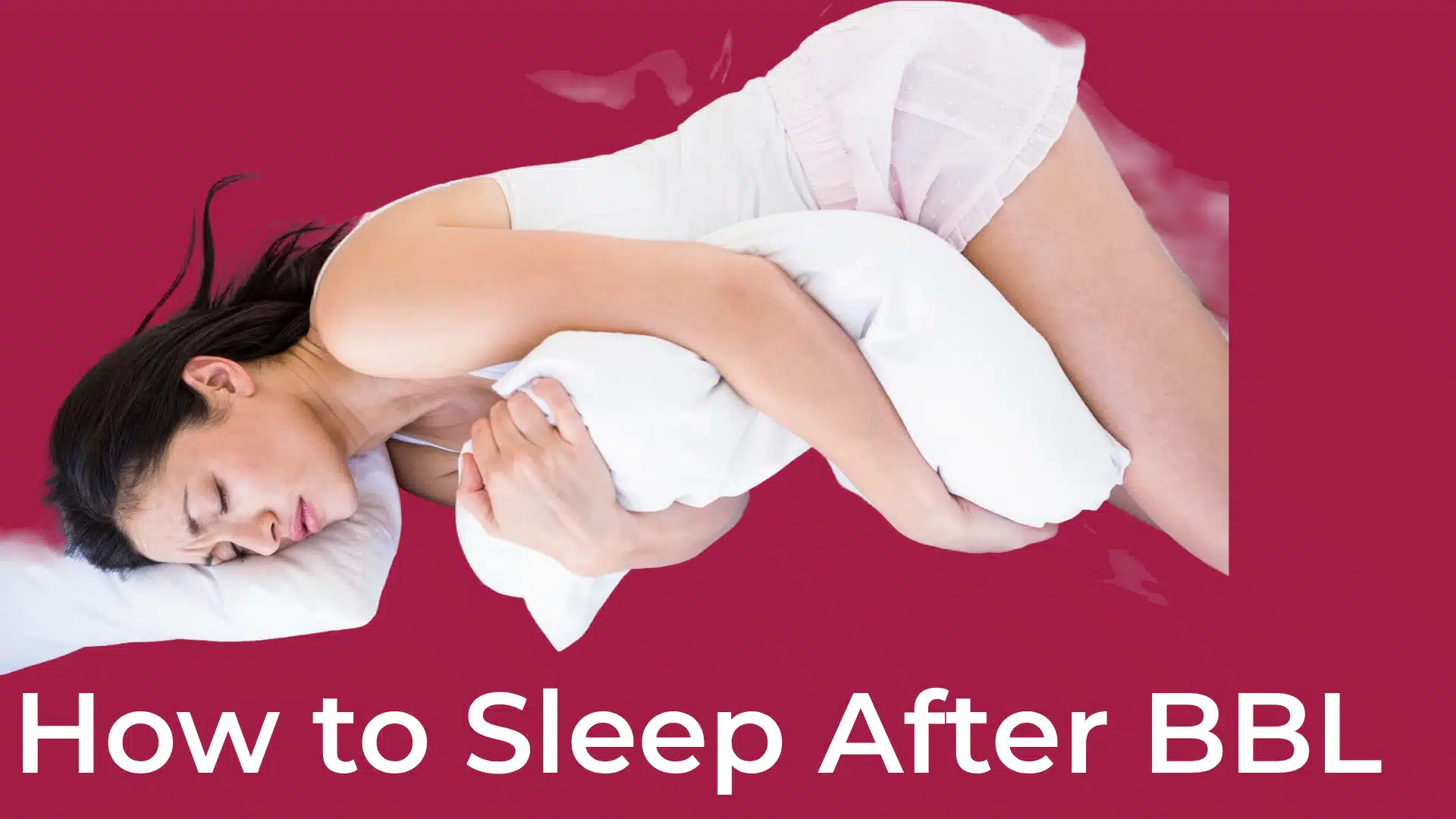
Quick Summary:
How to Sleep After BBL? sleep on your stomach for the first 6 weeks after BBL surgery to protect newly transferred fat cells from compression and ensure optimal graft survival rates of 60-80%.
According to board-certified plastic surgeons and ASPS guidelines, avoiding pressure on the buttocks during sleep is critical for preserving surgical results and preventing fat cell death.
This guide covers optimal sleeping positions, recovery timelines, essential accessories like BBL pillows, common mistakes to avoid, and week-by-week expectations for a successful recovery.
Why Trust This Guide
This comprehensive sleeping guide draws from current plastic surgery guidelines published by the American Society of Plastic Surgeons (ASPS), the Multi-Society Task Force for Safety in Gluteal Fat Grafting, peer-reviewed journals including Aesthetic Surgery Journal and Plastic and Reconstructive Surgery, and clinical protocols from board-certified plastic surgeons specializing in body contouring procedures.
Carely Clinic’s medical team has extensive experience guiding international patients through BBL recovery, ensuring our recommendations align with evidence-based practices and real-world patient outcomes.
Why Sleep Position Matters After BBL
Proper sleep positioning directly impacts fat graft survival rates, with studies showing patients who follow sleep protocols heal 30% faster and retain significantly more transferred fat cells than those who don’t maintain proper positioning.
During a Brazilian Butt Lift, fat cells harvested through liposuction are carefully purified and strategically injected into the buttocks in multiple layers. These newly transferred fat cells require 2-3 months to establish blood supply and integrate with surrounding tissues. Any sustained pressure during this critical window can compromise blood flow, cause fat cell death (necrosis), and result in uneven or diminished results.
The buttocks contain large blood vessels including the inferior and superior gluteal veins. Compression from sleeping on your back reduces circulation to the grafted fat, preventing the vascularization process essential for permanent results. Research published in the Aesthetic Surgery Journal confirms that approximately 60-80% of transferred fat cells survive when proper post-operative protocols are followed, while improper positioning can reduce survival rates to as low as 40%.
What Happens If You Sleep Wrong
Sleeping in incorrect positions can lead to several complications. Fat cell necrosis occurs when sustained pressure cuts off blood supply, causing grafted cells to die and be reabsorbed by the body. Uneven results develop when pressure is applied inconsistently, creating lumps, dents, or asymmetry. Extended recovery becomes necessary when poor positioning causes additional swelling, bruising, and healing delays. In some cases, revision surgery may be required to correct results compromised by improper post-operative care.
Best Sleeping Positions After BBL
Stomach sleeping is the gold standard position during BBL recovery, protecting newly grafted fat cells from compression and ensuring optimal healing for 6-8 weeks post-surgery.
Stomach Sleeping (Preferred Position)
Lying face-down distributes your body weight across your chest, abdomen, and thighs while completely eliminating pressure on the buttocks and hip areas. This position maintains healthy blood flow to the grafted fat cells and allows for proper tissue integration.
To optimize stomach sleeping, keep your arms by your sides rather than overhead to avoid straining incision sites from liposuction. Place a pillow under your ankles to support your lower back and reduce lumbar strain. Consider using a face-down pillow with a head cutout to prevent neck discomfort during extended periods. Position a thin pillow under your hips to create slight elevation without placing pressure on the buttocks.
Side Sleeping (After Week 4-6)
Side sleeping may be approved by your surgeon after the initial recovery phase, typically around week 4-6. This position requires careful technique to avoid pressure on the lateral buttock areas where fat may have been grafted.
When side sleeping becomes permitted, place a firm pillow between your knees to maintain hip alignment. Use a pillow behind your back to prevent rolling onto your buttocks during the night. Avoid sleeping on the same side continuously by alternating positions throughout the night.
Back Sleeping (Avoid for 6-8 Weeks)
Back sleeping should be avoided for a minimum of 6-8 weeks post-surgery. Lying on your back places direct, sustained pressure on the buttocks, which can significantly compromise fat graft survival and lead to disappointing results. Even brief periods of back sleeping can damage delicate fat cells during the critical healing window.
Week-by-Week Sleeping Timeline
Recovery progresses through distinct phases, with most patients returning to normal sleeping positions by week 6-8 as fat cells stabilize and integrate with surrounding tissues.
Week 1-2: Strict Stomach Sleeping
During the first two weeks, stomach sleeping is mandatory with no exceptions. The newly transferred fat cells are extremely fragile and require complete protection from pressure. Swelling peaks during this period, typically between days 3-5, and discomfort from liposuction sites may make sleep challenging.
Sleep in short intervals if full nights prove difficult. Use prescribed pain medication as directed to improve sleep quality. Position multiple pillows strategically to prevent accidental rolling. Keep your bedroom cool to reduce swelling and improve comfort.
Week 3-4: Continued Stomach Sleeping with Gradual Adjustments
Swelling begins to subside during weeks 3-4, and comfort levels improve significantly. Continue stomach sleeping as your primary position. Some surgeons may approve brief periods of modified side sleeping with proper pillow support during this phase, but always confirm with your medical team before attempting any position changes.
Fat cells are beginning to establish blood supply but remain vulnerable to pressure. Maintain vigilance about your sleeping position even as you feel more comfortable.
Week 5-6: Possible Side Sleeping Introduction
By week 5-6, many patients receive clearance for side sleeping with proper positioning. Use a BBL pillow or multiple regular pillows to support your body and keep pressure off the buttocks. Introduce side sleeping gradually, starting with short periods and increasing duration as comfort allows.
Fat cells are stabilizing but haven’t reached their final integration. Continue avoiding back sleeping completely during this phase.
Week 7-8: Gradual Return to Normal Positions
Most patients can begin transitioning to back sleeping around week 7-8 with surgeon approval. Start with short periods during the day before attempting overnight back sleeping. Use a BBL pillow under your thighs to suspend the buttocks if you need additional support during the transition.
By the end of week 8, approximately 60% of transferred fat cells have established permanent blood supply and the results are considered stable.
Month 3-6: Full Recovery
Final results become visible between months 3-6 as remaining swelling resolves and fat cells complete the “fluffing” phase, where the skin softens and expands to accommodate the transferred fat for a more natural appearance. Normal sleeping positions can be resumed completely, though maintaining a stable weight remains important for preserving results long-term.
Essential BBL Sleep Accessories
Specialized BBL pillows and strategic pillow placement significantly improve comfort during stomach sleeping while ensuring proper body alignment throughout the recovery period.
BBL Pillows
BBL pillows feature a unique hollow or cutout design that suspends the buttocks while distributing weight to the thighs. These specialized cushions come in several configurations designed for different purposes.
Wedge-shaped BBL pillows work best for desk jobs and prolonged sitting, providing stable support during work hours. Curved pillows suit travel and car rides with their compact, ergonomic design. Inflatable BBL pillows offer lightweight, portable options for occasional use and emergency situations. BBL pillows with back support prevent slouching and support posture during extended sitting periods.
When selecting a BBL pillow, look for high-density memory foam construction, a washable cover, and dimensions appropriate for your body size. Quality BBL pillows typically cost between $30-80 and represent a worthwhile investment in protecting your surgical results.
Supportive Pillow Configurations
Strategic placement of regular pillows can supplement or substitute for specialized BBL products during sleep. Place a firm pillow under your chest to elevate your upper body slightly while stomach sleeping. Position a thin pillow or rolled towel under your hips for additional lower back support. Keep pillows on either side of your body to create a “pillow barricade” that prevents rolling during sleep. Use a pillow under your ankles to maintain proper spinal alignment and reduce lower back strain.
Additional Sleep Accessories
Compression garments should be worn continuously for the first 3-6 weeks, including during sleep, to reduce swelling and support healing. A mattress topper with medium firmness provides optimal comfort for stomach sleeping without excessive softness that could cause positioning issues. Loose, breathable sleepwear made from cotton or moisture-wicking fabric prevents irritation around surgical sites. Blackout curtains and white noise machines can improve sleep quality when discomfort makes rest challenging.
How to Sleep Comfortably on Your Stomach
Adapting to stomach sleeping requires preparation and technique, with most patients adjusting within the first week when using proper pillow support and practicing before surgery.
Preparing Before Surgery
If you’re not naturally a stomach sleeper, begin practicing 2-3 weeks before your procedure. Gradually increase the time spent sleeping face-down, starting with short naps and progressing to full nights. This allows your body to adapt and helps you identify the most comfortable pillow configurations before you’re managing post-surgical discomfort.
Purchase your BBL pillow and other sleep accessories before surgery so everything is ready when you return home. Set up your recovery sleep area with all necessary pillows, ensuring you can position yourself comfortably without assistance.
Stomach Sleeping Technique
Position yourself face-down with your head turned to one side for breathing comfort. Alternate which direction you face to prevent neck stiffness. Place your arms at your sides or bent at the elbow with hands near your head, but avoid stretching arms overhead. Use a face-down pillow with a cutout to allow breathing without turning your head if you find this more comfortable.
Distribute your weight evenly across your chest and abdomen. Slight hip elevation using a thin pillow can reduce lower back strain without placing pressure on the buttocks.
Managing Discomfort
Discomfort during the first week is normal and typically peaks between days 3-5 before gradually improving. Take prescribed pain medication 30-45 minutes before bedtime to ensure optimal comfort during sleep. Apply ice packs to liposuction donor areas (not the buttocks) to reduce swelling before bed. Stay hydrated throughout the day but limit fluid intake 2 hours before sleep to minimize nighttime bathroom trips. Avoid heavy meals and alcohol before bed, which can make stomach sleeping more uncomfortable.
Creating an Optimal Sleep Environment
Keep your bedroom temperature between 65-68°F (18-20°C) to reduce swelling and improve comfort. Use soft, breathable bedding that won’t irritate your skin. Ensure your mattress provides adequate support without being too firm. Consider using calming music or meditation apps to promote relaxation when discomfort makes falling asleep difficult.
When Can You Sleep on Your Back or Side?
Patients can typically return to back and side sleeping after 6-8 weeks, once fat cells have established blood supply and stabilized in their new location, though individual timelines vary based on healing progress.
Transitioning to Side Sleeping
Side sleeping may be approved as early as week 4-6 for some patients, depending on individual healing progress and surgeon assessment. When cleared for side sleeping, use proper technique to protect your results. Place a firm pillow between your knees to maintain hip alignment and prevent the top leg from rolling forward. Position a pillow behind your back to prevent unconscious rolling onto your buttocks during sleep. Avoid sleeping on the same side all night, as this can cause temporary asymmetry in swelling.
Transitioning to Back Sleeping
Back sleeping typically becomes safe around week 6-8 post-surgery. Begin the transition gradually, starting with short periods during the day to assess comfort and monitor for any concerns. When sleeping on your back, place a BBL pillow or regular pillows under your thighs to elevate and suspend your buttocks slightly if additional protection is desired.
Signs You’re Ready for Position Changes
Your surgeon will assess your healing progress at follow-up appointments and provide personalized guidance on when position changes are appropriate. General indicators that you may be ready include significantly reduced swelling, no visible bruising remaining, comfortable sitting on a BBL pillow for extended periods, and completion of the minimum recommended timeframe for stomach sleeping.
When to Continue Stomach Sleeping Longer
Some patients may need to extend stomach sleeping beyond the standard timeline. Factors that may require extended precautions include larger volumes of fat transferred, slower-than-expected healing, development of complications such as seromas, and combination procedures such as BBL with tummy tuck.
Common Sleeping Mistakes to Avoid
Protecting your BBL results requires consistent vigilance, with even brief lapses in proper positioning during the critical 6-week window potentially compromising fat cell survival.
Rolling Onto Your Back During Sleep
Unconscious rolling is one of the most common concerns patients face. Create physical barriers using pillows on both sides of your body. Consider using a travel pillow around your neck to make back sleeping uncomfortable enough to wake you. Some patients find sleeping in a recliner helpful during the first 2 weeks when rolling risk is highest.
Using Inadequate Pillow Support
Regular pillows may compress too much to provide adequate support throughout the night. Invest in firm, high-density pillows or specialized BBL products designed to maintain their shape. Check pillow positioning before sleep and adjust as needed during nighttime bathroom trips.
Ignoring Surgeon Instructions
Every patient’s recovery is unique, and your surgeon’s personalized guidance takes precedence over general recommendations. Follow your specific post-operative instructions even if they differ from what you’ve read online. Attend all follow-up appointments to ensure proper healing assessment.
Returning to Normal Positions Too Soon
Impatience is understandable, but premature return to back or side sleeping can permanently compromise results. Fat cells continue stabilizing through week 8 and beyond. Even if you feel recovered, maintain recommended positions until cleared by your surgeon.
Sleeping in Tight Clothing
Compression garments should fit snugly but not restrict breathing or cause excessive discomfort. Avoid wearing tight underwear, pants, or waistbands to bed that could create pressure points on the buttocks or compromise circulation.
How This Applies in Turkey
International guidelines for BBL recovery and sleep positioning apply equally at Turkey’s JCI-accredited medical facilities, with Turkish surgeons following identical clinical protocols as American and European institutions.
The key advantages of BBL surgery in Turkey extend beyond the procedure itself to comprehensive recovery support. BBL packages in Istanbul typically cost €3,000-€5,500 all-inclusive, compared to $8,000-$15,000 in the USA and £8,000-£12,000 in the UK, representing savings of 60-70%. These packages include not only surgical fees but also post-operative care essentials.
International patients typically complete the entire process within 7-10 days in Turkey. Day 1-2 involves arrival and pre-operative evaluation. Surgery occurs on Day 3, followed by 1-2 nights of hospital observation. Days 4-7 include hotel recovery with daily check-ins before a fit-to-fly assessment. Recovery coordinators provide detailed sleep positioning instructions and demonstrate proper pillow use before discharge.
At Carely Clinic in Istanbul, BBL procedures are performed by board-certified plastic surgeons at JCI-accredited partner hospitals. Comprehensive packages include compression garments, BBL pillow, medications, luxury accommodation, and dedicated patient coordinators who guide you through proper recovery positioning. Learn more about BBL Surgery at Carely Clinic.
BBL Sleep Position Summary
| Timeframe | Recommended Position | What to Expect |
|---|---|---|
| Week 1-2 | Stomach only (mandatory) | Peak swelling, discomfort, fragile fat cells |
| Week 3-4 | Stomach primarily | Swelling subsides, improved comfort |
| Week 5-6 | Stomach or side (with support) | Fat cells stabilizing, may introduce side sleeping |
| Week 7-8 | Gradual return to normal | Fat cells establishing blood supply |
| Month 3-6 | Normal positions | Final results visible, “fluffing” phase complete |
Expert Insight
“Patients who follow proper sleep positioning protocols during the first 6 weeks demonstrate significantly higher fat retention rates. The newly transferred fat cells are fragile and require complete protection from sustained pressure to establish permanent blood supply.”
— Multi-Society Task Force for Safety in Gluteal Fat Grafting, ASPS Guidelines
Frequently Asked Questions
How long after BBL can I sleep on my back?
You must wait 6-8 weeks minimum before sleeping on your back after BBL surgery. This timeframe allows transferred fat cells to establish blood supply and stabilize in their new location. Always get surgeon clearance before transitioning positions, as individual healing varies.
What happens if I accidentally sleep on my back after BBL?
Brief accidental moments on your back typically won’t damage results, but prolonged pressure can kill fat cells and reduce volume. If you wake up on your back, immediately reposition to your stomach and add more pillow barriers. Contact your surgeon if this happens frequently.
Can I sleep on my side 2 weeks after BBL?
No, side sleeping at 2 weeks post-BBL is too early and can damage fat grafts. Most surgeons approve side sleeping at week 4-6 earliest, only with proper pillow support under the buttocks. Premature side sleeping risks uneven results and reduced fat retention.
What is the best pillow for sleeping after BBL?
The best BBL pillow features a hollow cutout design with high-density memory foam that maintains shape throughout the night. Wedge-shaped pillows work best for sitting, while face-down pillows with head cutouts optimize stomach sleeping comfort. Expect to spend $30-80 for quality options.
How do I stop rolling onto my back while sleeping?
Create pillow barriers on both sides of your body before sleep, and use a neck travel pillow to make back sleeping uncomfortable enough to wake you. Sleeping in a recliner during weeks 1-2 prevents rolling entirely. Practice stomach sleeping 2-3 weeks before surgery to adapt naturally.
Can I take a nap on my back during BBL recovery?
No, even short naps on your back during the first 6-8 weeks can damage fat cells that need consistent pressure protection. Maintain stomach sleeping for all rest periods including brief naps. The transferred fat is fragile 24/7 during the critical healing window.
How long do I need to use a BBL pillow?
Use a BBL pillow for sitting for 6-8 weeks post-surgery to keep weight on your thighs rather than buttocks. For sleeping, pillow support should continue through week 8 minimum. Many patients use BBL pillows for driving and office work even after returning to normal sleep positions.
What sleeping position is best if I had BBL and tummy tuck together?
Modified stomach sleeping or semi-reclined positioning at 30-45 degrees works best for combined BBL and tummy tuck procedures. Your surgeon will provide specific instructions since abdominal incisions may limit full stomach sleeping. Expect to use multiple support pillows for 8-12 weeks.
Does sleeping position affect BBL results long-term?
Sleep positioning during weeks 1-8 directly impacts fat survival rates, with proper positioning achieving 60-80% retention versus 40-60% with poor positioning. After month 3 when fat cells fully integrate and establish permanent blood supply, sleep position no longer affects results.
When can I sleep without pillows after BBL?
You can sleep without strategic pillow placement after week 8-10 when fat cells have stabilized and established blood supply. Some patients continue using support pillows through month 3 for comfort during the transition. Resume normal sleeping naturally as comfort allows after surgeon clearance.
How should I sleep the first night after BBL?
Sleep on your stomach the first night after BBL with arms at your sides, using a pillow under your ankles for lower back support. Take prescribed pain medication 30-45 minutes before bed to ensure comfort. Keep ice packs on liposuction sites (not buttocks) and sleep in 2-3 hour intervals if needed.
Can I sleep in a recliner after BBL instead of stomach sleeping?
Yes, sleeping in a recliner at 30-45 degrees is acceptable during weeks 1-2 if stomach sleeping proves too uncomfortable. Ensure your buttocks don’t touch the seat directly by using a BBL pillow underneath your thighs. Transition to stomach sleeping by week 3 for optimal fat retention.
Conclusion
Proper sleep positioning represents one of the most important factors in achieving optimal BBL results. Stomach sleeping for the first 6-8 weeks protects newly transferred fat cells, supports healthy blood flow, and maximizes the 60-80% fat retention rate achievable with proper post-operative care.
Investing in quality BBL pillows, creating a comfortable sleep environment, and practicing stomach sleeping before surgery can significantly improve your recovery experience. Remember that individual healing timelines vary, and your surgeon’s personalized guidance should always take precedence over general recommendations.
Disclaimer: Individual recovery timelines and outcomes vary based on surgical technique, fat volume transferred, and patient health. This guide provides general information based on international plastic surgery guidelines. Consult qualified medical professionals for personalized advice specific to your procedure.
Ready to learn more about BBL surgery and recovery support? Contact Carely Clinic for a complimentary consultation with our patient coordinators who can answer your questions about procedures, packages, and post-operative care.
Medical Review: Dr. Aliraz Jahangirov