
Quick Summary
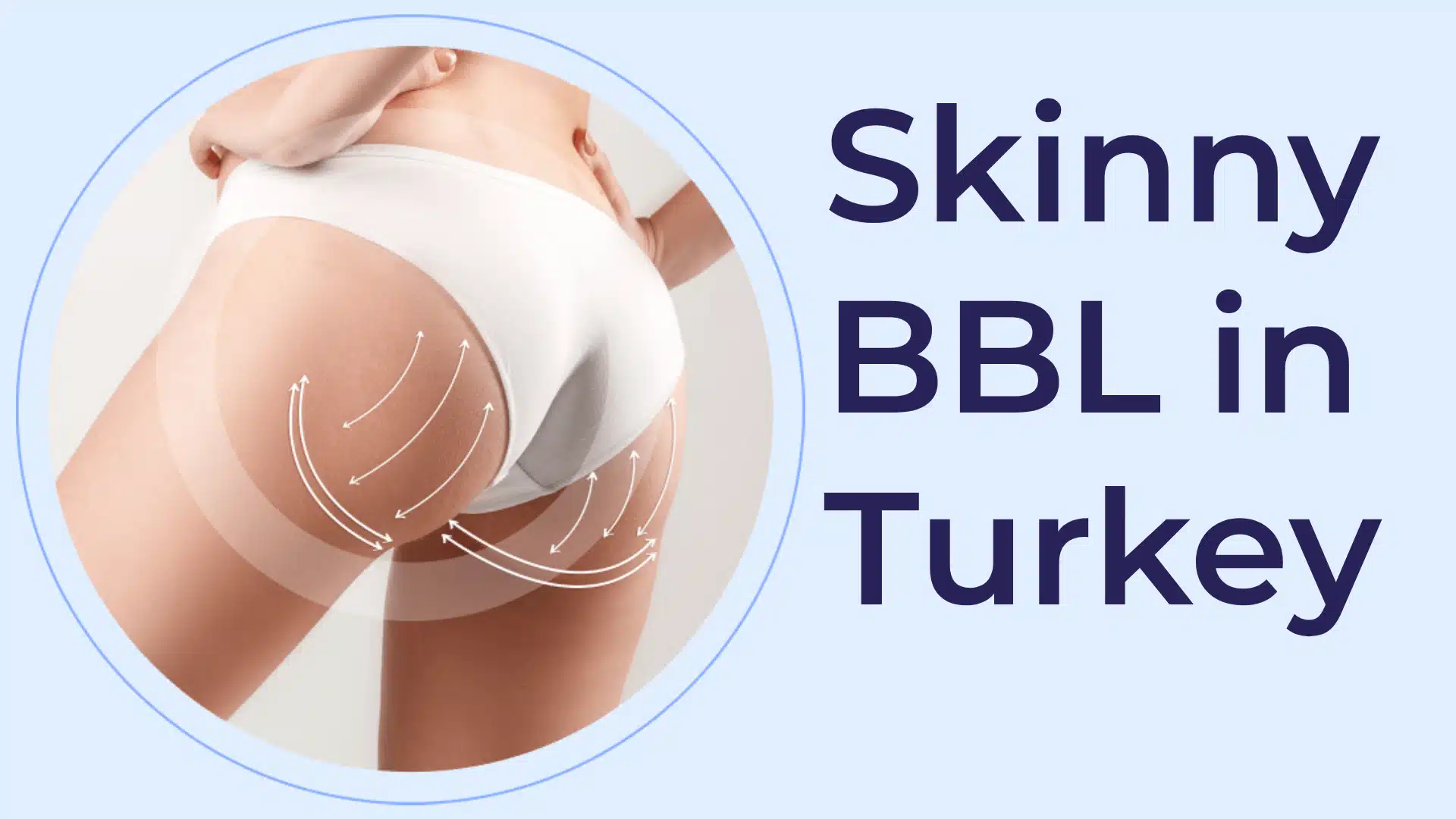
A Skinny BBL is a modified Brazilian Butt Lift designed for patients with BMI under 24-25 who have limited body fat but still want subtle buttock enhancement through strategic fat transfer.
According to plastic surgery specialists, skinny BBL candidates typically require 500-800cc of fat per side, harvested from multiple donor areas rather than the 1,000cc+ used in traditional procedures.
This guide covers skinny BBL eligibility, surgical techniques, non-surgical alternatives like Sculptra and Radiesse, recovery expectations, and how Turkey offers these procedures at 60-70% lower costs than Western countries.
Why Trust This Guide
This comprehensive guide draws from current guidelines published by the American Society of Plastic Surgeons (ASPS), International Society of Aesthetic Plastic Surgery (ISAPS), and peer-reviewed research from the Aesthetic Surgery Journal. All safety recommendations reflect the 2024 multi-society guidelines for gluteal fat grafting safety.
Carely Clinic’s medical team reviews all content for clinical accuracy, ensuring patients receive evidence-based information that reflects current best practices in body contouring procedures.
What Is a Skinny BBL?
A Skinny BBL is a Brazilian Butt Lift specifically designed for patients with BMI under 24-25 who have limited body fat stores, using strategic fat harvesting from multiple areas to achieve subtle, proportionate buttock enhancement.
Unlike traditional BBLs that rely on larger fat volumes from abundant donor sites, the skinny BBL focuses on proportion over volume. Surgeons harvest fat from multiple smaller areas including the lower back, flanks, inner thighs, arms, and abdomen to collect enough material for meaningful enhancement.
The goal differs from dramatic augmentation. Most skinny BBL patients seek to correct hip dips, add modest projection, or create a smoother transition between waist and hips rather than achieving significant size increases. Surgeons typically transfer 500-800cc of fat per side, compared to 1,000cc or more in traditional procedures.
Am I a Candidate for Skinny BBL?
Ideal skinny BBL candidates have a BMI between 20-25, sufficient fat deposits across multiple body areas for harvesting, good overall health, realistic expectations for subtle enhancement, and non-smoking status.
The fundamental requirement for any BBL is having enough donor fat to harvest. While traditional BBL candidates typically have BMIs between 23-30, skinny BBL can work for patients with lower BMIs if they have proportionally distributed fat that can be collected from several areas.
Primary Eligibility Criteria
Your surgeon will assess several key factors during consultation. First, they’ll evaluate your fat distribution rather than just your weight. Some naturally lean individuals have adequate fat in their abdomen, back, or thighs despite low overall body fat percentage. Athletic patients may have localized fat deposits that aren’t responsive to exercise.
Skin elasticity is another crucial factor. Good skin quality helps adapt to the newly enhanced contours and supports the transferred fat. Patients with significant skin laxity may need combined procedures or alternative approaches.
Who May Not Qualify
Very lean patients with body fat percentages below 18-20% may not have enough harvestable fat even with multi-area liposuction. In these cases, surgeons may recommend alternative procedures such as non-surgical buttock enhancement with Sculptra or Radiesse, buttock implants for patients seeking more dramatic results, or AlloClae donor fat grafting for patients who prefer natural fat without liposuction.
Some surgeons suggest patients gain 10-15 pounds before surgery to increase available fat stores, though this approach has mixed recommendations since you cannot control where weight gain occurs.
| Criterion | Skinny BBL Requirement | Notes |
|---|---|---|
| BMI Range | Under 25 (typically 20-25) | Traditional BBL: 23-30+ |
| Fat Availability | Harvestable from 4-6 body areas | Minimum ~1,000ml total raw fat needed |
| Smoking Status | Non-smoker (quit 4+ weeks prior) | Nicotine impairs fat survival |
| Age | 18+ years | Good skin elasticity preferred |
| Overall Health | Good surgical candidate | No conditions affecting healing |
| Expectations | Subtle, natural enhancement | Dramatic results require more fat |
How the Procedure Works
Skinny BBL involves three key phases: multi-area fat harvesting using specialized thin cannulas, intensive fat purification to maximize viable cells, and strategic micro-injection into the buttocks and hips for natural-looking enhancement.
Phase 1: Fat Harvesting
The surgeon performs liposuction across multiple body areas to collect adequate fat. Common donor sites include the abdomen (upper and lower), flanks/love handles, lower back, upper back/bra roll, inner and outer thighs, and sometimes upper arms.
Using thin 3mm cannulas allows surgeons to extract fat from tighter tissue areas that larger instruments cannot access effectively. This “scavenger hunt” approach maximizes fat collection from slim patients while maintaining smooth body contours and avoiding surface irregularities.
Phase 2: Fat Processing
Harvested fat undergoes centrifugation and purification to separate viable fat cells from blood, oil, and damaged tissue. This step is especially critical for skinny BBL patients since less fat is available—maximizing cell viability becomes paramount.
Advanced processing techniques can achieve 85-92% fat cell preservation when performed correctly. Some surgeons use additional technologies like closed-system processing or specialized filtration to enhance fat quality.
Phase 3: Strategic Injection
The purified fat is carefully injected into the buttocks using micro-injection techniques. Surgeons place small deposits of fat (2-3mm diameter) in multiple layers to maximize blood supply contact and fat survival.
Current safety guidelines mandate subcutaneous-only injection—fat must be placed above the muscle, never into or below the gluteal muscles. Many surgeons now use ultrasound guidance to ensure proper fat placement and prevent complications.
Expert Insight
“Oftentimes in patients who do not have much fat, a BBL can be more about what you take out, and less about what you put in. With careful liposuction of the abdomen, flanks, and back, we can snatch the waist to accentuate buttock contour.”
— Dr. Markarian, Plastic Surgery of Boston
Fat Survival and Results
Fat survival rates in skinny BBL typically range from 60-80%, meaning if 500ml is injected per side, approximately 300-400ml will remain permanently after the body absorbs some transferred cells during healing.
Several factors influence how much fat survives the transfer process. Surgical technique plays the largest role—gentle harvesting, proper processing, and precise injection all maximize cell viability. Patient factors including smoking status, overall health, and post-operative care also significantly impact retention.
What to Expect
Initial results will appear somewhat larger than final outcomes due to swelling. Over 3-6 months, swelling subsides and approximately 20-40% of transferred fat is naturally absorbed. The remaining fat cells become permanent, behaving like any other fat in your body.
The “fluffing” stage occurs around 3-6 months post-surgery when the skin softens and expands to accommodate the settled fat graft, creating a more natural appearance. Final results are typically visible at 6-12 months.
Maximizing Fat Survival
Following post-operative instructions is essential for optimal outcomes. Key recommendations include avoiding sitting directly on buttocks for 2-3 weeks, wearing compression garments as prescribed for 4-6 weeks, sleeping on stomach or sides for 6-8 weeks, maintaining stable weight and avoiding significant fluctuations, eating a nutrient-dense diet to support healing, and avoiding smoking completely during recovery.
Research shows that patients who strictly follow aftercare protocols retain significantly more transferred fat than those who don’t.
Skinny BBL vs Traditional BBL
The primary difference between skinny and traditional BBL lies in fat volume and enhancement goals—skinny BBL uses 500-800cc per side for subtle shaping, while traditional BBL transfers 1,000cc or more for significant projection and volume increase.
Both procedures follow identical surgical techniques. Liposuction removes fat from donor areas, the fat undergoes purification and processing, and then it’s strategically injected into the buttocks and hips. The distinction lies entirely in the amount of available fat and the resulting enhancement level.
Technical Differences
In traditional BBL, surgeons often focus on one or two primary donor sites (typically abdomen and flanks) because these areas contain abundant fat stores. Skinny BBL requires harvesting from multiple areas to accumulate sufficient material, which means more incision sites but typically smaller amounts removed from each location.
Advanced techniques become particularly important for skinny patients. Surgeons may use specialized equipment like ultrasound-assisted liposuction to maximize fat cell viability during extraction. The purification process also requires extra care to ensure the limited available fat survives transfer at the highest possible rate.
Results Expectations
Traditional BBL patients can expect significant increases in buttock projection and hip width, often achieving dramatic hourglass silhouettes. Skinny BBL results are inherently more subtle—think improved proportions, smoother contours, and modest enhancement rather than transformation.
Many surgeons describe skinny BBL as being more about “what you take out” than “what you put in.” The liposuction component creates waist definition that makes existing or modestly enhanced buttocks appear more prominent by comparison.
Non-Surgical Alternatives
For patients without sufficient fat for skinny BBL, non-surgical options include Sculptra (lasting 2+ years), Radiesse (lasting 12-18 months), and AlloClae donor fat grafting—all of which stimulate collagen production for gradual, natural-looking enhancement.
Sculptra Buttock Enhancement
Sculptra contains poly-L-lactic acid (PLLA), a biocompatible substance that stimulates your body’s natural collagen production. When injected into the buttocks, it gradually builds volume over 3-6 months as new collagen forms.
Results are subtle and natural-appearing, typically lasting 2-3 years with proper maintenance. Most patients require 2-3 treatment sessions spaced 4-6 weeks apart. Sculptra is ideal for patients seeking modest enhancement who prefer avoiding surgery entirely.
Radiesse Buttock Enhancement
Radiesse uses calcium hydroxylapatite (CaHA) microspheres to provide immediate volume while simultaneously stimulating collagen production. Unlike Sculptra, Radiesse shows instant results that continue improving over 2-3 months.
Results typically last 12-18 months, with some patients experiencing effects up to 24 months. Radiesse is FDA-approved and particularly effective for correcting hip dips and creating subtle lift without surgery.
AlloClae: Donor Fat Grafting
AlloClae represents a breakthrough option for skinny patients—it’s processed, sterilized donor fat that can be injected without requiring liposuction from your own body. This “off-the-shelf” fat grafting alternative became available in 2024-2025 at select clinics.
The product preserves the structural proteins, growth factors, and collagen-supporting elements of natural fat tissue. It integrates with surrounding tissues similarly to autologous fat transfer, providing soft, natural-feeling volume.
AlloClae is particularly valuable for patients who have lost fat from GLP-1 weight loss medications (like Ozempic or Mounjaro) and now want to restore buttock volume without having donor fat available.
| Option | Invasiveness | Results Timeline | Duration | Best For |
|---|---|---|---|---|
| Skinny BBL | Surgical | 3-6 months | Permanent | Patients with harvestable fat |
| Sculptra | Injectable | 3-6 months | 2-3 years | Gradual, subtle enhancement |
| Radiesse | Injectable | Immediate + 2-3 months | 12-18 months | Immediate visible results |
| AlloClae | Injectable | Immediate + 6 months | Years (semi-permanent) | Patients with no donor fat |
| Butt Implants | Surgical | Immediate | Permanent | Very lean patients wanting dramatic change |
Butt Implants vs Skinny BBL
Butt implants offer predictable, dramatic results for very lean patients who lack donor fat for BBL, while skinny BBL provides more natural-feeling results using your own fat—the choice depends on your body type and aesthetic goals.
When Implants May Be Better
Buttock implants use medical-grade silicone prosthetics surgically placed within or below the gluteal muscle. They’re the primary option for patients who don’t have enough fat for any type of BBL and want significant, predictable volume increase.
Implants provide immediate, permanent results and aren’t affected by weight fluctuations like transferred fat can be. They’re also suitable for patients who want more dramatic enhancement than skinny BBL can achieve with limited fat.
Drawbacks of Implants
Implant surgery carries higher complication rates than BBL, including risks of shifting, capsular contracture (scar tissue formation around the implant), and infection. Recovery is typically longer, and implants may need replacement after many years.
The results can feel firmer and less natural than fat transfer. Implants also only augment the buttocks—unlike BBL, which simultaneously contours donor areas for overall body improvement.
Making the Choice
If you have even modest fat reserves and prefer natural-feeling results, skinny BBL is generally the better option. If you’re extremely lean with almost no harvestable fat and desire significant enhancement, implants may be more appropriate. Many surgeons now offer “composite” procedures combining small implants with available fat to create more natural results.
Safety Considerations
BBL mortality rates have significantly improved from 1:3,000 to approximately 1:14,000 with adoption of subcutaneous-only injection techniques and ultrasound guidance, though it remains among the higher-risk cosmetic procedures.
Understanding the Risks
The primary concern with BBL surgery is fat embolism—when fat enters the bloodstream through damaged blood vessels and travels to the lungs. This rare but potentially fatal complication occurs when fat is injected into or below the gluteal muscles, where large veins are located.
Modern safety protocols have dramatically reduced this risk. The 2024 multi-society guidelines mandate injecting fat exclusively in the subcutaneous layer (above the muscle), using ultrasound guidance to monitor cannula placement, and limiting the number of procedures surgeons perform daily.
Choosing a Safe Provider
Board certification is essential but not sufficient alone. Research shows that choosing surgeons who follow current safety protocols, operate in accredited facilities, and have extensive BBL-specific experience significantly reduces complication risk.
Key questions to ask include: Where do you inject the fat? (answer should be “subcutaneous only”), Do you use ultrasound guidance?, What is your mortality/complication rate?, and Are you board-certified with BBL-specific training?
Skinny BBL-Specific Considerations
Skinny BBL is generally considered equally safe to traditional BBL when performed by qualified surgeons following current guidelines. The smaller fat volumes may even reduce some risks, though multi-area liposuction means more incision sites and potentially longer procedures.
Recovery Timeline
Most skinny BBL patients return to desk work within 1-2 weeks, resume normal activities at 4-6 weeks, and see final results at 3-6 months—though avoiding sitting on the buttocks for 2-3 weeks is critical for fat survival.
Week-by-Week Recovery
Days 1-3: Expect significant swelling and discomfort. Pain medication keeps you comfortable. Drains may be placed at liposuction sites. Sleep on your stomach or sides only.
Week 1: Drains typically removed around day 7. Swelling and bruising begin subsiding. Light walking encouraged to promote circulation. No sitting directly on buttocks.
Weeks 2-4: Most patients return to desk work (using BBL pillow when sitting). Compression garments worn 24/7. Moderate activities resume. Swelling continues decreasing.
Weeks 4-8: Light exercise resumes around week 4. Compression garment use decreases. Sitting restrictions typically lift around week 6-8. Energy levels normalize.
Months 3-6: The “fluffing” stage occurs as skin softens around settled fat. Full activities including gym workouts resume. Final results become visible.
Recovery Tips
The specialized BBL pillow is essential—it redistributes weight to your thighs, protecting transferred fat when sitting cannot be avoided. Wear your compression garment as prescribed to reduce swelling and support healing tissues. Stay hydrated and eat nutrient-dense foods to support fat cell survival.
How This Applies in Turkey
International guidelines for skinny BBL apply equally at Turkey’s JCI-accredited facilities, where board-certified plastic surgeons follow identical safety protocols as American and European hospitals while offering all-inclusive packages at 60-70% lower cost.
Turkey has become a leading destination for cosmetic procedures, welcoming over 2 million health tourists in 2024 and generating $10 billion in medical tourism revenue. BBL procedures are among the most commonly performed, with Turkish surgeons gaining extensive experience through high patient volumes.
Cost Comparison
Skinny BBL in Turkey costs €3,500-€6,000 all-inclusive compared to $13,000-$20,000 in the USA and £8,000-£12,000 in the UK. All-inclusive packages typically cover pre-operative consultations and blood work, surgery with anesthesia at JCI-accredited hospitals, 1-2 night hospital stay, 4-6 nights at 4-5 star hotel accommodation, airport transfers, compression garments and BBL pillow, medications, and virtual follow-up appointments.
Carely Clinic Approach
At Carely Clinic in Istanbul, skinny BBL is performed by experienced surgeons using current safety protocols including subcutaneous-only injection and ultrasound guidance. Our team evaluates each patient’s fat availability during virtual consultation to determine candidacy and set realistic expectations before travel.
For patients who lack sufficient fat for skinny BBL, we offer comprehensive alternatives including non-surgical enhancement options and can discuss implant options where appropriate.
Learn more about BBL procedures at Carely Clinic.
Cost Comparison
| Procedure | Turkey | USA | UK | Savings |
|---|---|---|---|---|
| Skinny BBL | €3,500-€6,000 | $13,000-$20,000 | £8,000-£12,000 | 60-70% |
| Traditional BBL | €3,500-€7,000 | $10,000-$25,000 | £8,000-£15,000 | 60-70% |
| Butt Implants | €4,000-€7,000 | $8,000-$15,000 | £6,000-£10,000 | 50-60% |
| Sculptra BBL (per session) | €800-€1,500 | $2,000-$4,000 | £1,500-£3,000 | 50-60% |
Turkey’s lower prices reflect reduced operating costs—not lower quality. Surgeons train internationally, hospitals hold JCI accreditation (the same standard as top US hospitals), and safety protocols match Western standards.
Frequently Asked Questions
What is the minimum BMI for skinny BBL?
Skinny BBL is designed for patients with BMI under 25, with most candidates falling between 20-25. There’s no absolute minimum BMI since candidacy depends on fat distribution rather than weight alone. Some patients with BMI of 19-20 qualify if they have adequate harvestable fat deposits across multiple body areas like the abdomen, flanks, back, and thighs.
How much fat do you need for skinny BBL?
You need at least 1,000ml of raw harvestable fat to yield approximately 500-600ml of purified fat per buttock side. This fat is collected from multiple body areas including the abdomen, flanks, back, and thighs through specialized liposuction techniques. Your surgeon will assess your fat distribution during consultation to determine if you have sufficient volume for the procedure.
Can I get a BBL if I’m very skinny with no fat?
No, traditional BBL isn’t possible if you have extremely low body fat with no harvestable deposits. Alternatives include Sculptra or Radiesse injections for non-surgical enhancement, butt implants for dramatic results, or AlloClae donor fat grafting for natural volume without requiring your own fat. Your surgeon can recommend the best option based on your goals and body type.
Should I gain weight before skinny BBL?
Most surgeons don’t recommend intentional weight gain because you cannot control where fat deposits will occur. However, if you’re medically underweight, reaching a healthy weight naturally may improve candidacy. Discuss your specific situation with your surgeon during consultation, as some may suggest gaining 10-15 pounds strategically before the procedure.
How long do skinny BBL results last?
Skinny BBL results are permanent once transferred fat cells establish blood supply around 3-6 months post-surgery. However, the transferred fat behaves like normal body fat—significant weight gain will cause cells to expand and weight loss will cause them to shrink. Maintaining stable weight through healthy diet and exercise preserves your results long-term.
Is skinny BBL safer than traditional BBL?
Skinny BBL has a similar safety profile to traditional BBL when performed by qualified surgeons following 2024 safety protocols. Some surgeons suggest smaller fat volumes may slightly reduce certain risks, though this isn’t definitively proven. Both procedures carry similar complication rates when subcutaneous-only injection and ultrasound guidance are used.
What’s the recovery difference between skinny BBL and traditional BBL?
Recovery timelines are essentially the same: 1-2 weeks before desk work, 4-6 weeks before normal activities, and 6-8 weeks before full exercise. Skinny BBL may involve liposuction from more body areas (4-6 zones instead of 1-2), potentially causing additional soreness, but overall healing timeframe and restrictions remain comparable to traditional BBL.
Can I sit after skinny BBL?
No, you cannot sit directly on your buttocks for 2-3 weeks minimum, with some surgeons recommending 6 weeks total. When sitting is unavoidable, use a specialized BBL pillow that redistributes weight to your thighs instead of your buttocks. This sitting restriction is critical for protecting newly transferred fat cells from compression that can cause cell death.
What if I lose weight after skinny BBL?
Weight loss after skinny BBL will cause transferred fat cells to shrink just like your natural fat. Significant weight loss (15+ pounds) can noticeably diminish your results, while weight gain will cause the transferred fat to expand. Maintaining a stable weight within 5-10 pounds of your post-surgery weight is essential for preserving your enhancement long-term.
How do I choose between Sculptra and skinny BBL?
Choose skinny BBL if you have adequate harvestable fat and want permanent, one-time results with natural feel. Choose Sculptra if you lack donor fat, prefer a non-surgical approach with minimal downtime, or want gradual enhancement that develops over 3-6 months. Sculptra costs less initially but requires maintenance sessions every 2-3 years, while skinny BBL is permanent.
Conclusion
Skinny BBL provides an effective buttock enhancement option for slim patients with BMI under 25, using specialized multi-area liposuction techniques to harvest sufficient fat for natural-looking results with 60-80% long-term fat survival.
For patients without adequate fat reserves, proven alternatives include Sculptra and Radiesse non-surgical enhancement, AlloClae donor fat grafting, and butt implants for dramatic transformation. A board-certified plastic surgeon can evaluate your fat availability and recommend the most appropriate approach for your body type and goals.
Individual requirements and outcomes vary. This guide provides general information based on international guidelines and current research. Consult qualified medical professionals for personalized advice regarding your specific situation and candidacy.
If you’re considering buttock enhancement and want to explore whether skinny BBL or alternative options are right for you, Carely Clinic offers complimentary virtual consultations with experienced surgeons who can evaluate your candidacy and discuss realistic expectations.
Medical Review: Dr. Aliraz Jahangirov