Weight Loss Surgery Procedures in Turkey: Complete Guide (2026)

Weight Loss Surgery Procedures in Turkey 2026

Table of Contents

Quick Summary

Turkey offers four main weight loss surgery procedures: gastric sleeve, gastric bypass, gastric balloon, and gastric botox. Packages at JCI-accredited hospitals start from £2,500 ($3,100/€2,900), compared to £8,000-£15,000 at private UK clinics (NHS, 2024). Eligibility generally requires a BMI of 35 or above with comorbidities, or BMI 40 without.

This guide covers all four procedures, candidacy criteria, costs, risks, and what to expect during your 7-10 day Istanbul visit.

What Weight Loss Surgery Procedures Are Available in Turkey?

Turkey offers four main weight loss procedures: gastric sleeve, gastric bypass, gastric balloon, and gastric botox. Sleeve and bypass are surgical; balloon and botox are non-surgical. Per 2023 ASMBS-IFSO guidelines, a BMI of 35 or above with comorbidities, or 40 without, typically qualifies patients for surgical options.

All-inclusive packages at JCI-accredited Istanbul hospitals range from approximately £2,500-£4,500 ($3,100-$5,600/€2,900-€5,200), representing 60-70% savings versus private UK fees (NHS data, 2024). Per the IFSO Global Registry 2023, high-volume Turkish centres report outcomes aligned with international standards.

Patients typically plan a 7-10 day Istanbul stay: 2-3 nights in hospital, then hotel recovery before flying home.

Why Trust This Guide

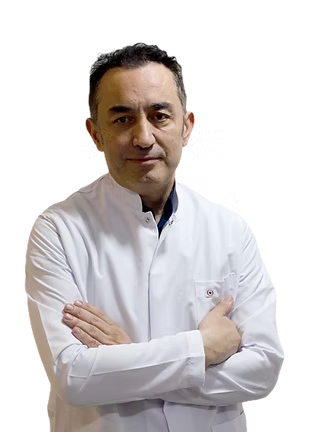
This guide draws on 2023 IFSO Global Registry data, 2022 ASMBS-IFSO joint indications guidelines, and NHS bariatric commissioning policy (2024). It is medically reviewed by Assoc. Prof. Dr. Gökmen Öztürk, a General and Bariatric Surgeon with 25+ years of experience and 5,000+ procedures performed in Istanbul. Content is for educational purposes only and does not replace a personalised surgical consultation.

Gastric Sleeve: The Most Performed Bariatric Procedure

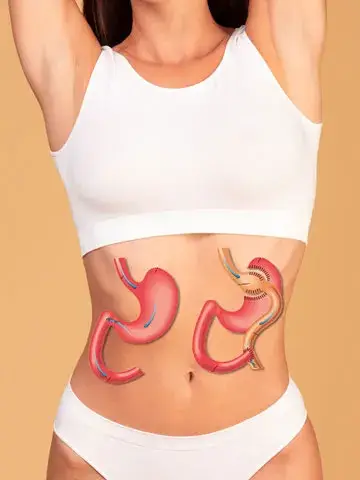
The gastric sleeve is the world’s most commonly performed bariatric procedure. It permanently removes 75-80% of the stomach, leaving a tube-shaped pouch roughly the size of a banana. Ghrelin, the hunger hormone, is substantially reduced because the section of stomach that produces it is removed. Per ASMBS Clinical Guidelines 2023, patients typically achieve 60-70% excess weight loss within 18 months.

Turkish surgeons perform the procedure laparoscopically in 60-90 minutes through 4-5 small incisions. Hospital stay is 2-3 nights. Most patients return to desk work within 2-3 weeks.

What the Procedure Involves

Gastric sleeve surgery removes the outer curve of the stomach permanently; the remaining pouch holds approximately 150-200ml of food.

The stomach is divided vertically and the larger portion excised. The remaining sleeve is sealed with surgical staples. No intestinal rerouting occurs, which differentiates it from gastric bypass and reduces long-term nutritional deficiency risk.

Expected Weight Loss and Recovery

Patients lose an average of 60-70% of excess weight by 12-18 months, with peak results between months 12 and 18, per ASMBS 2023 data.

Type 2 diabetes remission or significant improvement occurs in approximately 60-80% of cases following sleeve gastrectomy (Obesity Surgery journal, 2023). Most patients reach their target weight range within 18 months, though weight stabilisation takes 2 years.

Learn more about gastric sleeve surgery at Carely Clinic.

Gastric Bypass: For Higher BMI and Metabolic Conditions

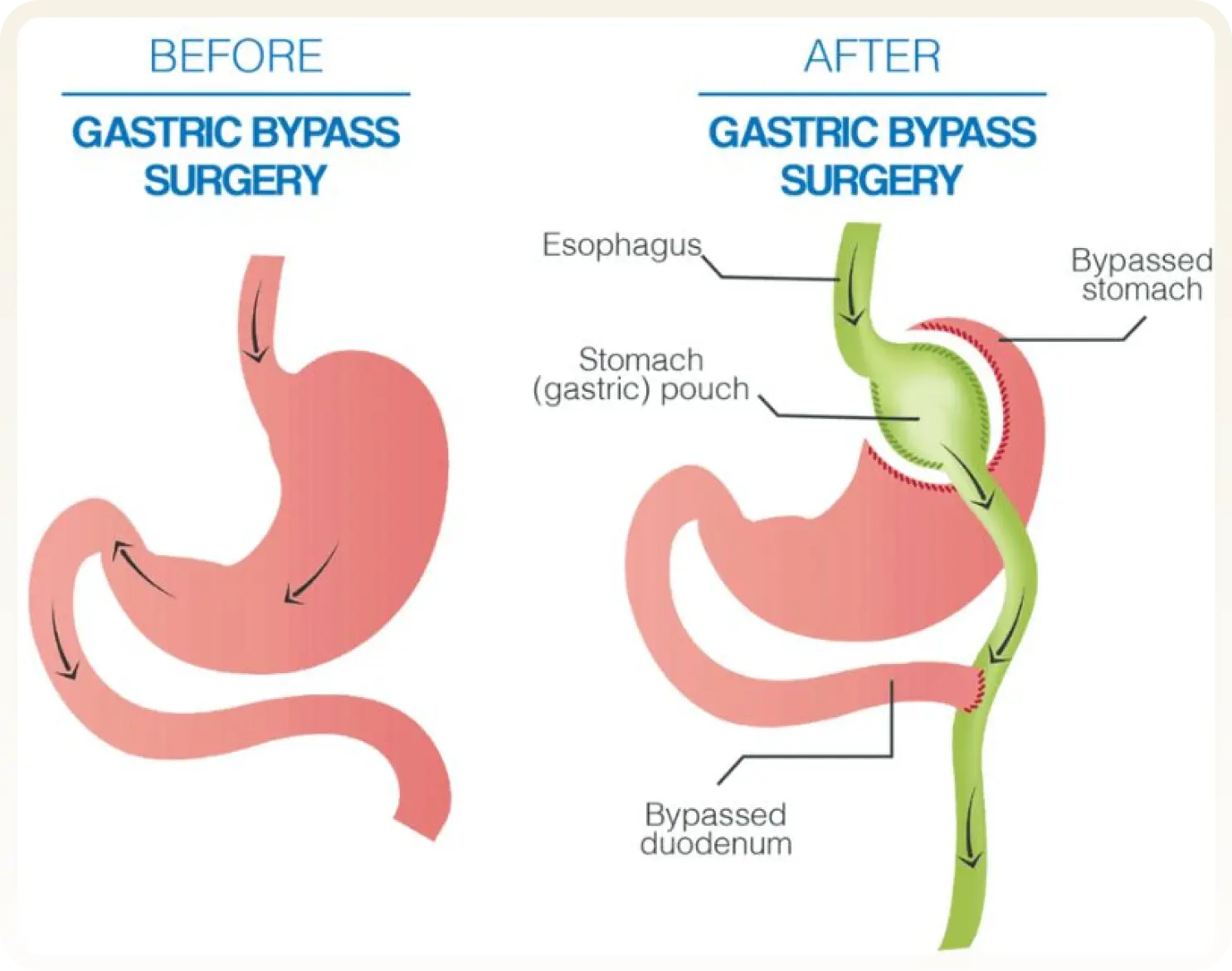
Gastric bypass combines restriction and malabsorption, making it the preferred option for patients with higher BMI or severe metabolic disease. The procedure creates a small stomach pouch of approximately 30ml and reroutes a section of the small intestine. Both food intake and caloric absorption are reduced simultaneously. Expected excess weight loss is 65-75% within 18-24 months (ASMBS Clinical Guidelines 2023).

Surgery takes 120-180 minutes laparoscopically. Hospital stay is 2-4 nights. Return to normal activity typically takes 3-4 weeks.

Roux-en-Y vs Mini Gastric Bypass

The Roux-en-Y gastric bypass (RYGB) creates two intestinal connections; the mini gastric bypass creates one, reducing operating time to approximately 45-75 minutes.

RYGB is the global gold standard, with the longest evidence base. The mini bypass is growing in adoption at Turkish centres but has less long-term data than RYGB. Both require lifelong vitamin and mineral supplementation due to altered nutrient absorption pathways.

Who Benefits Most from Bypass

Patients with BMI 40 or above, or those with BMI 35-39 plus severe type 2 diabetes or severe GERD, are the strongest bypass candidates.

Bypass produces stronger metabolic effects than sleeve for type 2 diabetes specifically. A 2025 Lancet randomised trial reported superior 2-year weight loss with modified bypass variants compared to sleeve, though with higher nutritional deficiency risk.

Learn more about gastric bypass surgery at Carely Clinic.

Gastric Balloon and Gastric Botox: Non-Surgical Options

For patients who do not yet qualify for or do not want surgery, Turkey offers two effective non-surgical weight loss procedures. Neither involves incisions or general anaesthesia. Both are performed endoscopically on an outpatient or day-case basis. Results are temporary, which is the critical distinction from surgical options.

Gastric Balloon: 6-Month Non-Surgical Option

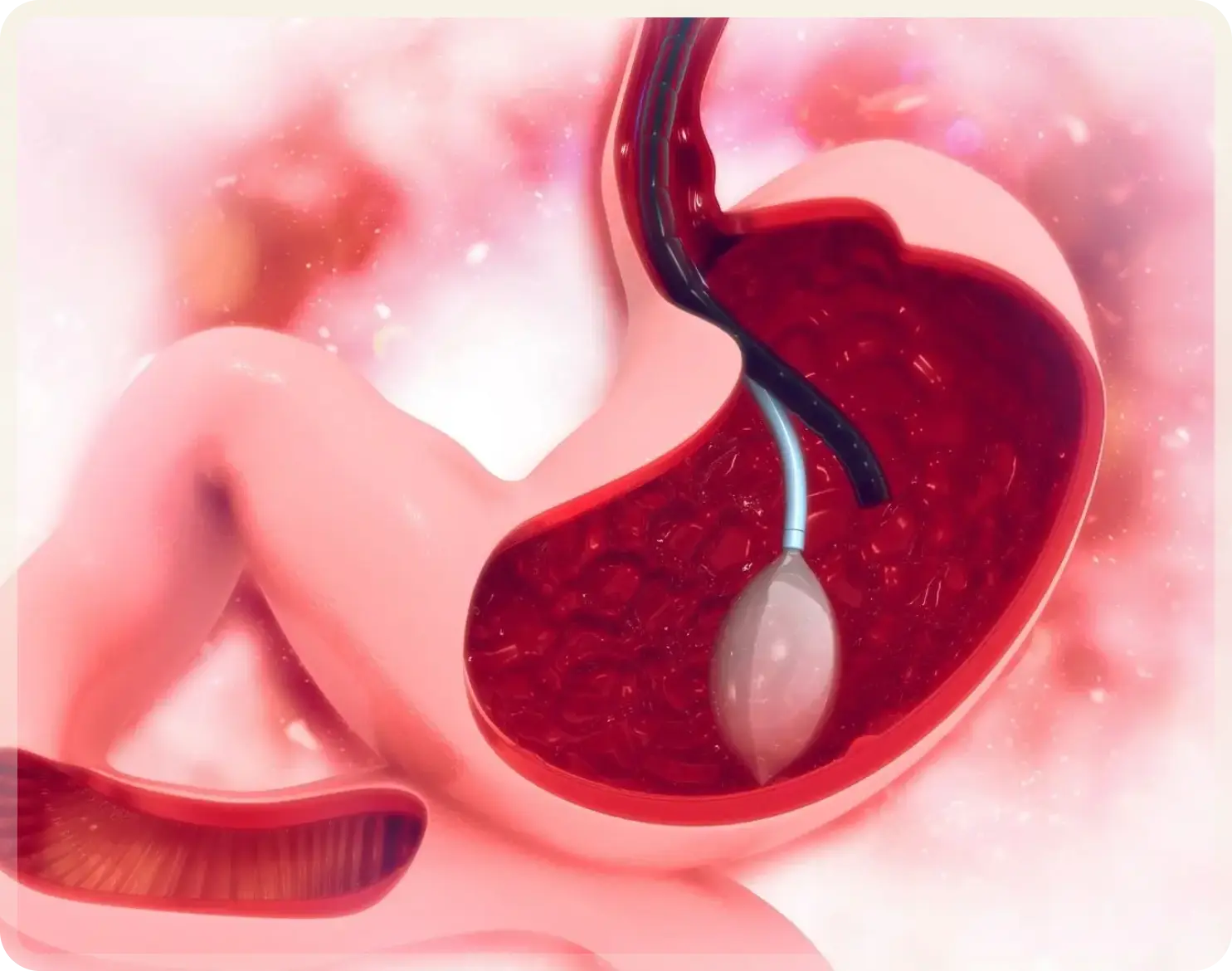
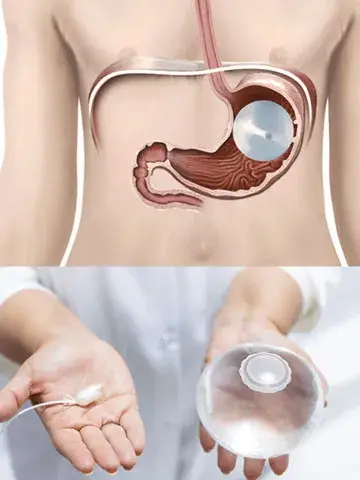
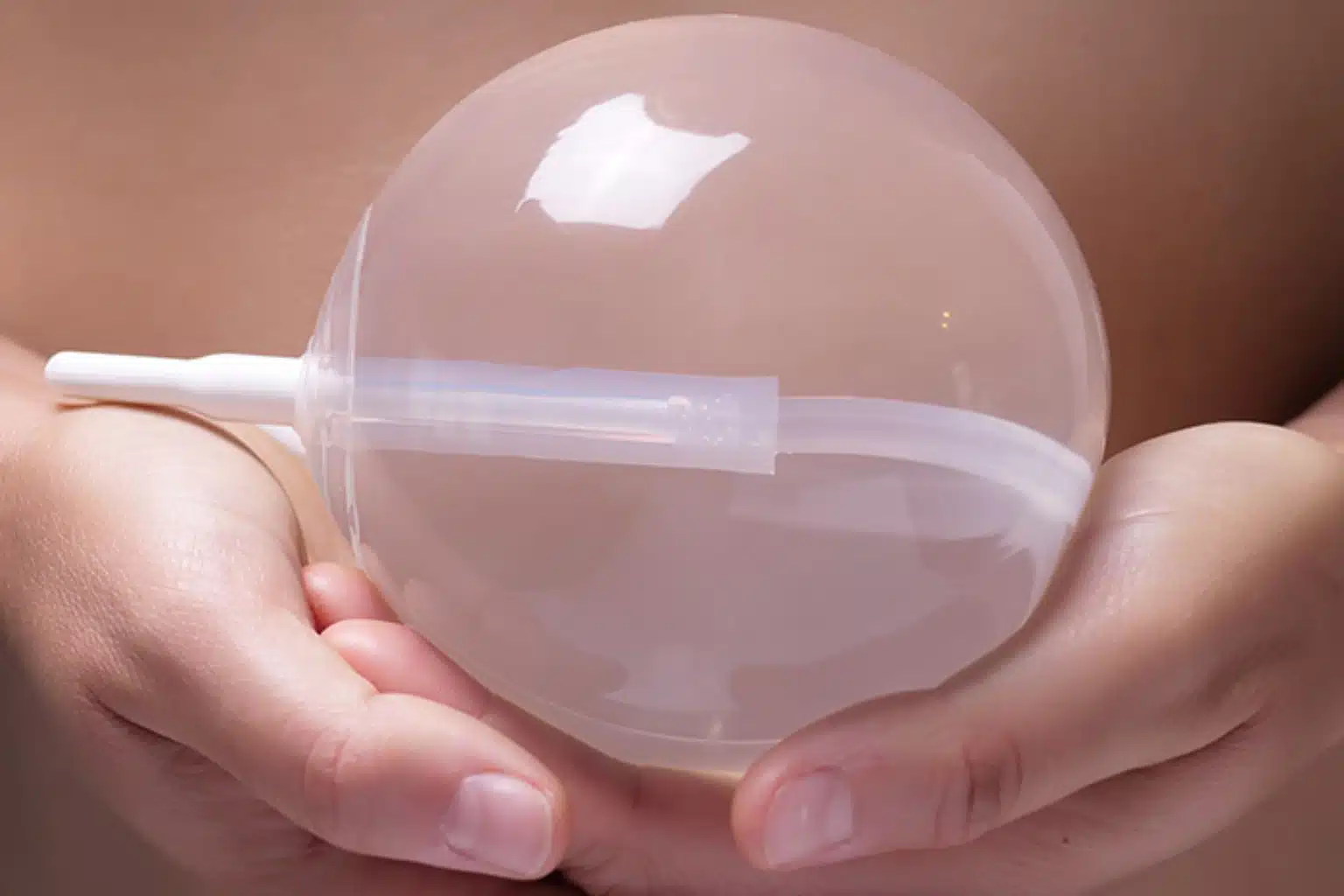
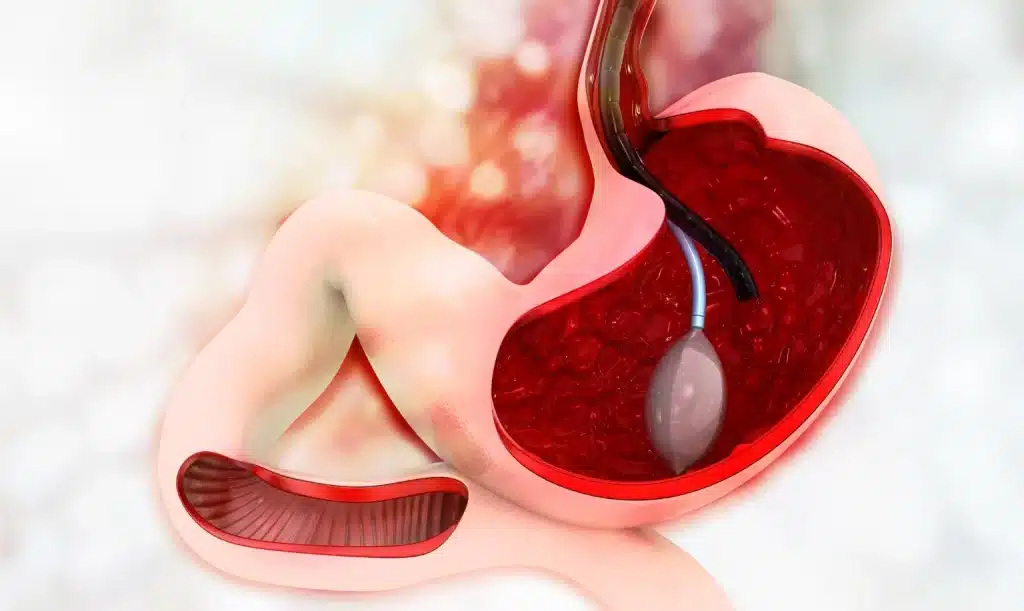
The gastric balloon is a silicone balloon inserted endoscopically into the stomach and filled with saline solution, physically reducing stomach capacity.

The procedure takes approximately 20-30 minutes. The balloon remains in place for 6-12 months before removal. Patients typically lose 10-15% of total body weight during the balloon period (Obesity Surgery, 2023). It suits patients with a BMI of 27-35 seeking medically supervised weight loss without surgery. Learn more about gastric balloon treatment at Carely Clinic.

Gastric Botox: The Endoscopic Appetite Reducer

Gastric botox injects botulinum toxin into the stomach wall muscles endoscopically, slowing gastric emptying and reducing appetite signals for 4-6 months.

No incisions, no general anaesthesia, and no hospital stay are required. The procedure takes 20-30 minutes. Results are modest compared to surgical options — typically 10-15% body weight reduction — but make it appropriate for patients with a BMI below 35 or those preparing for a future surgical procedure. Learn more about gastric botox at Carely Clinic.

5 Factors That Determine Which Procedure Is Right for You

No single procedure is universally optimal. These five factors guide which option is appropriate for each patient, based on 2022 ASMBS-IFSO joint indications.

Procedure selection depends on BMI, comorbidities, GERD history, surgical risk tolerance, and long-term commitment. Five factors guide the decision with clinical precision. →

1. BMI range. BMI below 27: lifestyle intervention, not surgery. BMI 27-35: gastric balloon or gastric botox. BMI 35-40 with comorbidities: gastric sleeve is the primary surgical recommendation. BMI 40 or above, or 35 with severe metabolic disease: gastric bypass delivers superior outcomes.

2. Presence and severity of type 2 diabetes. Bypass produces stronger and faster diabetes remission than sleeve due to incretin hormone effects. Patients with poorly controlled type 2 diabetes and BMI 35 or above are typically steered toward bypass per 2022 ASMBS-IFSO guidelines.

3. GERD and acid reflux history. Gastric sleeve can worsen existing GERD in some patients due to increased intragastric pressure. Patients with documented severe reflux are usually directed toward bypass, which has an anti-reflux mechanism, per a 2024 peer-reviewed review in Obesity Surgery.

4. Surgical risk tolerance. Gastric sleeve carries a lower risk profile than bypass, with a mortality rate of approximately 0.08% in large series (ASMBS, 2024). Bypass carries a marginally higher risk due to increased operative complexity and two anastomotic connections. Non-surgical options carry minimal procedural risk.

5. Long-term commitment to supplementation. Bypass requires lifelong intensive vitamin and mineral supplementation including iron, B12, calcium, and vitamin D. Sleeve requires supplementation but at lower intensity. Balloon and botox require no permanent supplementation. Patients unwilling or unable to commit to lifelong supplementation are better candidates for sleeve or non-surgical options.

Expert Insight

“Procedure selection must account for the whole patient, not just the number on the scale. A BMI of 38 with severe, uncontrolled type 2 diabetes is a stronger bypass candidate than a BMI of 42 with well-controlled metabolic health. The right procedure is the one aligned with the patient’s metabolic profile, anatomy, and realistic long-term commitment.”

— Based on ASMBS-IFSO 2022 Joint Guidelines and Assoc. Prof. Dr. Gökmen Öztürk’s clinical practice

Who Is NOT a Good Candidate for Weight Loss Surgery in Turkey?

Not every patient presenting for bariatric surgery is a suitable candidate. Absolute contraindications make surgery unsafe; relative contraindications require optimisation before proceeding. Understanding these criteria before travelling to Istanbul prevents wasted costs and, more importantly, preventable harm.

Absolute contraindications include active malignancy, severe uncontrolled psychiatric illness, and inability to tolerate general anaesthesia. Relative contraindications include uncontrolled substance use and certain cardiovascular conditions. 

Absolute Contraindications

These conditions mean bariatric surgery cannot be safely performed and will not proceed at reputable Istanbul facilities.

  • Active or recently treated malignancy: Cancer treatment takes precedence. Surgery requires full oncological clearance from the treating specialist before bariatric evaluation resumes.
  • Severe uncontrolled psychiatric illness: Active psychosis, severe uncontrolled eating disorders (including active bulimia), or recent suicide attempt are absolute contraindications per 2022 ASMBS-IFSO guidelines. Psychological evaluation is mandatory.
  • Inability to tolerate general anaesthesia: Severe uncontrolled cardiac failure, advanced liver cirrhosis (Child-Pugh Class C), or severe pulmonary hypertension may make general anaesthesia risk prohibitive. Anaesthetic assessment is required pre-operatively.
  • Portal hypertension with oesophageal varices: Significant bleeding risk during laparoscopic abdominal surgery. Full hepatological assessment required before any consideration.

Relative Contraindications

These cases may allow surgery after thorough optimisation, but require honest discussion with the surgeon.

  • Active substance dependency (alcohol or drugs): Minimum 12-month confirmed sobriety is required at most reputable centres before bariatric assessment proceeds (ASMBS guidelines). Alcohol use disorder risk increases post-bypass due to altered absorption.
  • Uncontrolled type 2 diabetes with HbA1c above 10%: Surgery may proceed once glycaemic control improves to a safer level with medical management. High perioperative glucose increases infection and healing risk.
  • BMI above 60: Extremely high BMI increases anaesthetic and positioning risks significantly. A supervised pre-operative weight loss programme of 6-12 weeks is typically required to reduce liver size and improve surgical access.
  • Severe, untreated obstructive sleep apnoea: Requires CPAP evaluation and initiation before general anaesthesia is administered safely.

Managing Expectations

Bariatric surgery produces significant and durable weight loss, but not universal outcomes. Approximately 10-30% of bariatric patients experience some weight regain within 5 years, primarily due to dietary non-adherence and inadequate follow-up (IFSO Registry data, 2023). Long-term success requires permanent dietary change, regular bariatric dietitian review, and blood monitoring at months 1, 3, 6, 9, and 12 post-surgery and annually thereafter.

Weight Loss Surgery Costs in Turkey: All Four Procedures

Istanbul procedure costs in 2026 reflect 40-55% lower hospital operational overhead versus comparable Western facilities, not lower medical quality. Turkish hospitals’ cost advantage derives from lower staff salaries, favourable currency exchange rates, and government support for medical tourism (Medical Tourism Association, 2024). NHS waiting times for bariatric surgery exceed 12-18 months in many UK regions (NHS, 2024), making Turkey an increasingly practical option for self-funding patients.

Gastric sleeve packages start from £2,500 ($3,100/€2,900) at JCI-accredited Istanbul hospitals. Gastric bypass packages range from £3,500 to £4,500. Both represent 60-70% savings versus private UK fees. 

Procedure Turkey Cost (£) Turkey Cost ($) Turkey Cost (€) UK Private (£) Type
Gastric Sleeve £2,500-£3,500 $3,100-$4,400 €2,900-€4,000 £8,000-£12,000 Surgical
Gastric Bypass (RYGB) £3,500-£4,500 $4,400-$5,600 €4,000-€5,200 £10,000-£15,000 Surgical
Gastric Balloon £1,800-£2,500 $2,200-$3,100 €2,000-€2,900 £3,500-£6,000 Non-surgical
Gastric Botox £800-£1,500 $1,000-$1,900 €900-€1,700 £2,000-£3,500 Non-surgical

2026 indicative pricing. Final quotes depend on clinic, package inclusions, and individual medical profile. Always request written itemised quotes before booking.

What Turkish Packages Typically Include

Standard all-inclusive packages cover surgeon fees, anaesthesia, 2-3 hospital nights, pre-operative testing, initial medications, airport transfers, and hotel accommodation.

What is NOT typically included: international flights (UK return approximately £200-£600), home-country pre-operative medical clearance (approximately £80-£200), long-term follow-up beyond the package period, and lifelong vitamins (approximately £30-£50 monthly). Request a written inclusions and exclusions list before paying any deposit.

Expert Insight

“The cost difference between Turkey and the UK for bariatric surgery is real and substantial. What patients should compare is not the headline price, but the total cost including flights, aftercare, vitamins for life, and GP follow-up back home. When all costs are included, Turkey typically still saves patients 50-60%.”

— Based on NHS private-care fee benchmarking (2024) and ASMBS post-operative care pathway recommendations

Warning Signs to Watch For After Bariatric Surgery

Most bariatric surgery complications, when identified early, are manageable. Delayed recognition is the primary risk. International patients face a specific challenge: complications may emerge after returning home, when access to the operating surgeon is limited. Knowing what to watch for and acting immediately is the most important post-operative skill.

Warning signs after bariatric surgery include persistent fever, tachycardia, wound changes, and breathing difficulty. Any of these after discharge require urgent medical assessment, not a wait-and-see approach.

Warning Sign What It May Indicate Action Required
Fever above 38.5°C (101.3°F) Infection, anastomotic leak, or deep abscess Attend A&E or ER immediately. Contact your surgical team in Istanbul.
Heart rate above 120 bpm at rest Dehydration, internal bleeding, or anastomotic leak Emergency evaluation. Tachycardia is an early and serious post-bariatric warning sign.
Wound redness, separation, or discharge Surgical site infection or wound breakdown Contact GP or wound care clinic within 24 hours. Photograph and send to Istanbul team.
Leg swelling, pain, or calf tenderness Deep vein thrombosis (DVT) Attend A&E or ER same day. DVT requires urgent anticoagulation to prevent pulmonary embolism.
Sudden chest pain or breathlessness Pulmonary embolism Call 999 (UK) or 911 (US) immediately. This is a life-threatening emergency.
Inability to tolerate fluids for 24 hours Severe dehydration, gastric narrowing, or obstruction Attend hospital for IV fluids. Dehydration is the most common cause of readmission in the first 30 days.
Severe or worsening abdominal pain Anastomotic leak, internal hernia, or bowel obstruction Attend A&E or ER immediately. Bring all surgical documents and the Istanbul medical report.

How This Applies in Turkey

Turkey performs among the highest volumes of bariatric surgery in Europe. Istanbul hospitals combine internationally trained surgeons, JCI accreditation, and all-inclusive packages starting from £2,500 ($3,100/€2,900).

Turkey welcomed approximately 1.3 million medical tourists in 2024 (Medical Tourism Association, 2024). Bariatric surgery is among the top three procedures driving that figure, alongside hair transplantation and cosmetic surgery. 

Turkish bariatric surgeons are typically trained in general and laparoscopic surgery, then subspecialise in metabolic and bariatric procedures. The Turkish Ministry of Health regulates all surgical facilities, and Istanbul’s JCI-accredited hospitals operate under the same infection control and patient safety standards as comparable Western institutions (JCI Directory, 2024). High-volume Turkish surgeons often perform 300-500 bariatric cases annually, giving them procedural experience that exceeds many European counterparts.

What Istanbul packages include. All-inclusive bariatric packages at quality Istanbul clinics typically cover surgeon fees, anaesthesia, 2-3 hospital nights, pre-operative blood tests, ECG, abdominal ultrasound, initial medications, airport transfers, 4-5 hotel nights, and a multilingual patient coordinator. A 12-month nutritionist support programme is increasingly standard at leading facilities.

Assoc. Prof. Dr. Gökmen Öztürk’s surgical approach centres on minimally invasive laparoscopic technique, reducing recovery time and postoperative pain. Having pioneered laparoscopic procedures in the Black Sea region from 2002, Dr. Öztürk brings 25+ years and 5,000+ procedures to each bariatric case at Carely Clinic. UK and US patients consistently note the 1-day pre-operative workup structure, which allows full medical assessment before confirming the surgical plan.

Dr. Öztürk notes that among international patients travelling from both the UK and USA, approximately 20% require pre-operative medication adjustments during the 1-day workup — most commonly relating to anticoagulants, diabetic medications, or antihypertensives — underscoring the value of the pre-operative consultation rather than arriving for surgery cold.

When Can You Fly After Surgery?

Most patients receive surgical clearance to fly 5-7 days after laparoscopic bariatric surgery, based on wound assessment and hydration status.

Book flexible return flights rather than fixed tickets, as some patients require 2-3 additional days for hydration management. During long-haul return flights to the UK or USA, wear medical-grade compression stockings and move every 30-45 minutes to reduce DVT risk. Carry all surgical documentation and the Istanbul medical report in your hand luggage. Inform the airline of your recent surgery at check-in.

Learn more about weight loss surgery packages at Carely Clinic.

Frequently Asked Questions

What types of weight loss surgery are available in Turkey?

Turkey offers four bariatric procedures, with gastric sleeve accounting for approximately 70% of cases globally per IFSO 2023. Gastric sleeve and bypass are permanent surgical procedures; balloon and botox are non-surgical and temporary. The right procedure depends on BMI, comorbidities, and whether the patient prefers surgical or non-surgical intervention.

How much does weight loss surgery cost in Turkey?

Gastric sleeve packages in Turkey start from approximately £2,500 ($3,100/€2,900) at JCI-accredited hospitals in Istanbul. Gastric bypass costs range from £3,500 to £4,500 ($4,400-$5,600/€4,000-€5,200), reflecting higher surgical complexity. These prices represent savings of 60-70% compared to private UK clinic fees, per NHS benchmarking data 2024.

Is weight loss surgery in Turkey safe?

Bariatric surgery at JCI-accredited Turkish hospitals has a mortality rate of approximately 0.08% per ASMBS large-series data. The IFSO Global Registry 2023 reports that high-volume centres produce outcomes broadly aligned with global benchmarks. Safety requires verifying surgeon credentials individually and arranging coordinated home-country follow-up before travelling to Istanbul.

What is the difference between gastric sleeve and gastric bypass?

Gastric sleeve removes 80% of the stomach permanently; gastric bypass creates a small pouch and reroutes the small intestine.Gastric bypass creates a small stomach pouch and reroutes the small intestine, reducing both intake and absorption. Bypass typically achieves 65-75% excess weight loss versus 60-70% for sleeve, but carries higher nutritional deficiency risk.

Who is a good candidate for bariatric surgery in Turkey?

Per 2022 ASMBS-IFSO guidelines, candidates need a BMI of 40 or above, or 35 with comorbidities. Comorbidities that qualify include type 2 diabetes, hypertension, sleep apnoea, and obesity-related joint disease. Candidates must also demonstrate psychological readiness and commit to permanent dietary and lifestyle changes post-surgery.

How long do you stay in Turkey after weight loss surgery?

Most patients plan a total stay of 7-10 days in Istanbul following laparoscopic bariatric surgery. The hospital stay is 2-3 nights, followed by 4-5 nights of hotel recovery with daily clinic check-ins. Surgeons assess flight readiness on days 5-7 based on wound healing, hydration, and fluid tolerance.

What is included in a weight loss surgery package in Turkey?

Standard all-inclusive bariatric packages in Turkey cover 9 specific items: surgeon fees, anaesthesia, 2-3 hospital nights, pre-operative testing, hotel accommodation, checkups and medications. Most packages also include airport transfers, a hotel stay of 4-5 nights, and a multilingual patient coordinator. Flights, home-country medical clearance, long-term follow-up, and lifelong vitamins are typically excluded from package pricing.

How much weight can you lose after bariatric surgery in Turkey?

Gastric sleeve patients typically lose 60-70% of excess weight within 18 months, per ASMBS Clinical Guidelines 2023. Gastric bypass achieves 65-75% excess weight loss, with stronger metabolic effects for patients with type 2 diabetes. Results depend on post-surgical dietary adherence, physical activity, and consistent follow-up with a bariatric dietitian.

What is gastric botox and how does it work?

Gastric botox involves injecting botulinum toxin into stomach muscles endoscopically, slowing gastric emptying and reducing appetite. The procedure takes approximately 20-30 minutes endoscopically, requires no incisions, and does not involve general anaesthesia. Effects last approximately 4-6 months, making it suitable for patients with a BMI below 35.

What are the risks of having weight loss surgery abroad?

Main risks include limited home-country follow-up, complications arising after return, and variable surgeon experience across clinics. Some UK NHS Integrated Care Boards do not provide routine follow-up for bariatric patients treated abroad (ICB, 2024). Mitigating steps include selecting JCI-accredited hospitals, verifying surgeon case volume, and arranging private aftercare before travel.

Can I fly home after weight loss surgery in Turkey?

Most patients receive flight clearance 5-7 days after laparoscopic bariatric surgery in Istanbul. Surgeons base clearance decisions on wound healing, hydration status, and the absence of fever or complications. Compression stockings and movement every 30-45 minutes during long-haul flights reduce DVT risk on the return journey.

Does the NHS cover weight loss surgery done in Turkey?

The NHS does not routinely fund weight loss surgery at private overseas clinics, though limited cross-border healthcare reimbursement exists in specific circumstances. Most UK and US insurance policies similarly exclude bariatric procedures performed internationally, even at accredited facilities. Patients should arrange private aftercare coverage and inform their GP before travelling to ensure continuity of care.

Conclusion

Turkey’s four weight loss procedures suit different BMI ranges and health profiles. Verified surgeon credentials, JCI accreditation, and planned home-country aftercare are the three non-negotiables before booking.

The four procedures in summary: Gastric sleeve suits BMI 35-45 and delivers 60-70% excess weight loss. Gastric bypass suits BMI 40 or above, or lower BMI with severe metabolic disease, and delivers 65-75% excess weight loss. Gastric balloon provides 10-15% total body weight loss non-surgically for 6-12 months. Gastric botox is an appetite-reducing endoscopic procedure for BMI below 35 with effects lasting 4-6 months. Istanbul packages cover the surgical core but not flights, home-country clearance, or lifelong vitamins. Per IFSO Global Registry 2023 and NHS data 2024, high-volume JCI-accredited Turkish centres produce outcomes comparable to Western providers at 60-70% lower cost.

Next steps: Request a written quote with full inclusions and exclusions list. Verify your surgeon’s board certification, annual case volume, and IFSO or ASMBS membership. Brief your GP before travelling. Arrange private bariatric aftercare before departure.

Individual outcomes vary. This guide provides general medical education based on international guidelines and published research. Consult qualified medical professionals for personalised advice.

Medically Reviewed by: Assoc. Prof. Dr. Gökmen Öztürk

Free Consultation

Don't have WhatsApp? Fill our form