
Quick Summary:
The Spatz3 is the world’s only FDA-approved adjustable gastric balloon, achieving 15% total body weight loss and an 84% success rate in clinical trials—significantly outperforming non-adjustable alternatives.
According to the 2021 Lancet study and FDA pivotal trial data, the Spatz3’s unique adjustability feature allows physicians to modify balloon volume during treatment, addressing intolerance in 82% of cases and preventing weight loss plateaus.
This guide covers how the Spatz3 works, its advantages over other gastric balloons, eligibility requirements, the procedure process, expected results, potential risks, and cost comparisons including Turkey options.
Why Trust This Guide
This guide synthesizes clinical evidence from the Spatz3 FDA pivotal trial published in The Lancet (2021), FDA Summary of Safety and Effectiveness Data, and peer-reviewed studies in Obesity Surgery. Research from the Mayo Clinic and Brigham and Women’s Hospital informs our clinical accuracy.
Carely Clinic’s medical team reviews all content against current bariatric endoscopy standards and international guidelines. We prioritize evidence-based information while maintaining transparency about both benefits and limitations of gastric balloon therapy.
What Is the Spatz3 Adjustable Gastric Balloon?
The Spatz3 is the world’s first and only adjustable intragastric balloon, FDA-approved in October 2021 as a non-surgical weight loss device for adults with obesity who have failed conventional diet programs.
Unlike traditional fixed-volume gastric balloons, the Spatz3 features a proprietary adjustment mechanism that allows physicians to increase or decrease the balloon’s saline volume during the treatment period. This capability addresses two longstanding challenges in gastric balloon therapy: early intolerance requiring premature removal and weight loss plateaus that typically occur around month four.
The device received CE Mark approval in 2012 and has been used in over 150,000 patients across more than 60 countries, including the European Union, Australia, Brazil, Canada, and Turkey. The FDA approval in 2021 marked its entry into the United States market, making it the fifth gastric balloon to receive FDA clearance.
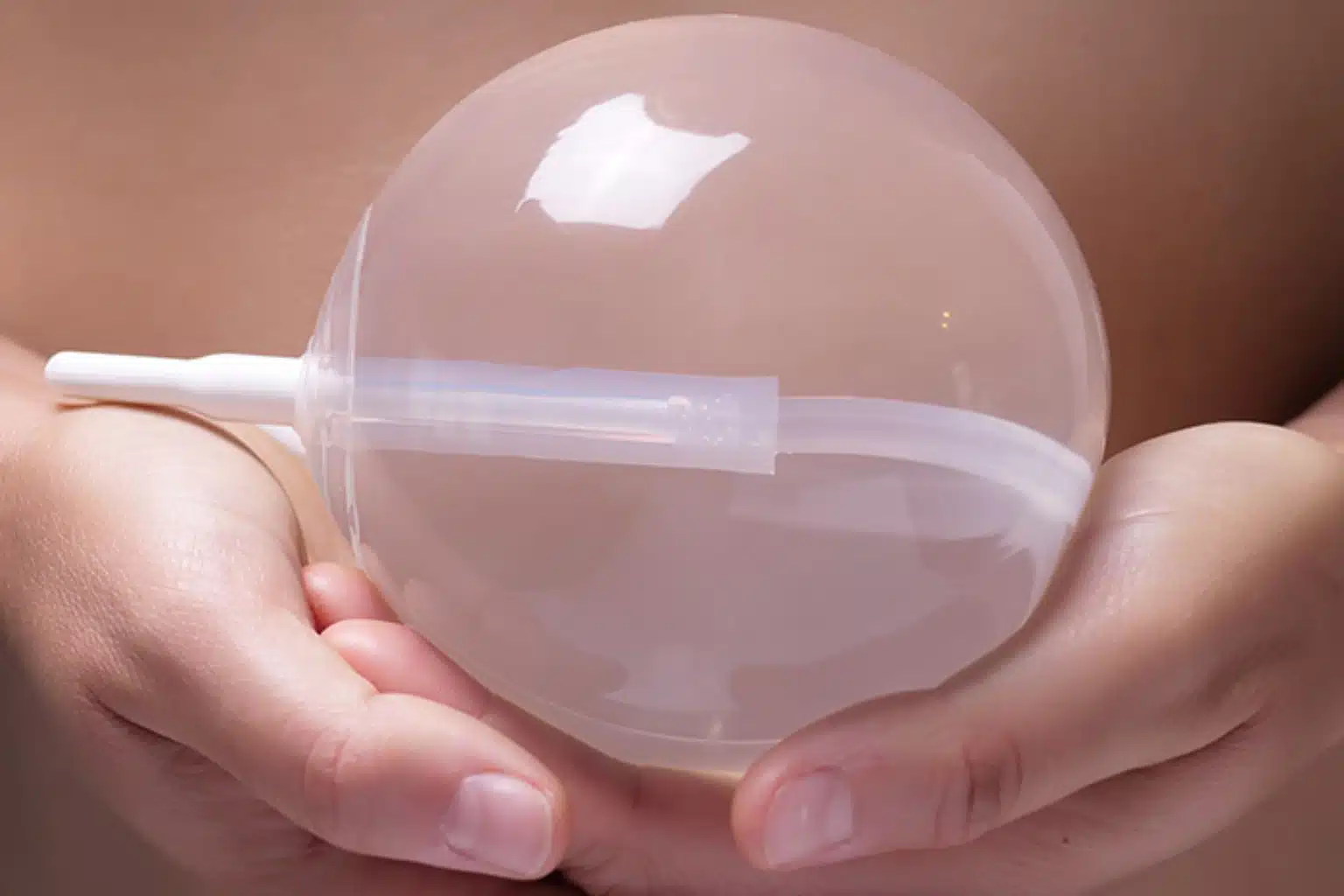
The Spatz3 consists of a soft silicone balloon with an integrated filling valve and adjustment catheter. The balloon is inserted endoscopically while the patient is under conscious sedation, then inflated with sterile saline solution to occupy space in the stomach. The entire placement procedure takes approximately 15 minutes.
How Does the Spatz Balloon Work?
The Spatz3 balloon creates early satiety by occupying approximately one-third of stomach capacity, activating gastric stretch receptors and delaying gastric emptying to reduce hunger between meals.
Upon insertion, the balloon is filled with 400-550 ml of sterile saline mixed with 1% methylene blue dye. The blue dye serves as a safety feature—if the balloon were to leak or deflate, the patient’s urine would turn blue-green, providing an early warning signal. The filled balloon expands to roughly the size of a grapefruit and floats freely within the stomach.
The adjustability mechanism distinguishes the Spatz3 from all other gastric balloons. A trailing valve attached to the balloon allows physicians to access the device endoscopically at any point during treatment to modify the saline volume. This creates two distinct therapeutic advantages.
For patients experiencing persistent nausea, vomiting, or abdominal discomfort in the initial weeks, physicians can perform a “down adjustment” by removing 100-200 ml of saline. According to FDA trial data, this procedure alleviated intolerance symptoms in 82% of patients who would otherwise have required early balloon removal, allowing them to complete the full 8-month treatment period.
Conversely, when patients hit a weight loss plateau around month 3-4, physicians can perform an “up adjustment” by adding 200-300 ml of saline. In the FDA pivotal trial, 71.7% of patients underwent up adjustments at approximately week 18, resulting in an additional 15.2% excess weight loss after the adjustment—essentially creating a “second wave” of weight loss.
The balloon remains in the stomach for 8 months in the United States (12 months outside the US in some regions), after which it is removed endoscopically. Throughout this period, patients participate in a supervised diet and behavior modification program designed to establish healthy eating habits that persist after balloon removal.
Spatz3 vs Other Gastric Balloons
The Spatz3 achieves superior weight loss results compared to fixed-volume balloons, with FDA trials showing 15% total body weight loss versus 7-10% for non-adjustable alternatives like Orbera.
Currently, three gastric balloons are available in the United States: Spatz3, Orbera, and previously Obalon (though Obalon production was discontinued in 2021). Each operates on the same principle of gastric space occupation but differs significantly in design, duration, and capabilities.
| Feature | Spatz3 | Orbera | Obalon (Discontinued) |
|---|---|---|---|
| Adjustability | Yes (volume can be modified) | No (fixed volume) | No (multiple balloons added) |
| Fill Medium | Saline (liquid) | Saline (liquid) | Nitrogen gas |
| Volume Range | 300-900 ml | 300-700 ml (fixed) | 250 ml per balloon (3 total) |
| Treatment Duration (US) | 8 months | 6 months | 6 months |
| Average Weight Loss (%TBW) | 15% | 10-12% | 6-7% |
| Success Rate (≥10% TBW loss) | 84% | 48-65% | 25-48% |
| Placement Method | Endoscopic | Endoscopic | Swallowable capsule |
| FDA Approval Year | 2021 | 2015 | 2016 |
A 2021 systematic review published in the World Journal of Gastrointestinal Endoscopy analyzed 13 randomized controlled trials comparing different gastric balloons. The meta-analysis found that while all balloon types produced significantly greater weight loss than lifestyle modification alone, the Spatz balloon demonstrated the strongest effect on total body weight loss at 11.30% compared to other balloon types.
The Orbera balloon has the longest track record and most extensive research data, having been used since 1991. International experts at a consensus conference designated it the “ideal balloon” based on its smooth, spherical design without trailing components. However, Orbera’s fixed volume means patients who experience intolerance must have the balloon removed entirely, and those hitting plateaus have no recourse.
The Spatz3’s trailing adjustment catheter, while enabling its unique functionality, has been associated with a slightly higher rate of gastric ulceration (approximately 4% in trials) compared to smooth balloons. This represents a trade-off between adjustability and the theoretical ideal of a completely smooth intragastric device.
Who Qualifies for the Spatz Balloon?
Ideal candidates for the Spatz3 balloon have a BMI between 27-40, have failed to achieve sustainable weight loss through supervised diet and exercise programs, and commit to comprehensive lifestyle modification.
The FDA pivotal trial enrolled patients with BMI 30-40 kg/m², though international protocols often accept patients with BMI as low as 27 who have obesity-related comorbidities. Adults aged 22-65 are typically considered appropriate candidates, with individualized assessment for those outside this range.
Primary Eligibility Criteria
Patients must demonstrate previous unsuccessful weight loss attempts through conventional methods. The Spatz3 is not a first-line treatment but rather a tool for those who genuinely struggle to lose weight despite dietary intervention and increased physical activity.
Commitment to the full program is essential. The balloon alone does not cause weight loss—it facilitates behavioral change by reducing hunger and portion sizes. Patients who are unwilling or unable to participate in ongoing dietary counseling, behavior modification, and follow-up appointments are unlikely to achieve optimal results.
Conditions That May Qualify Patients
Patients with BMI 27-29.9 may qualify if they have one or more weight-related health conditions, including type 2 diabetes or prediabetes, hypertension, obstructive sleep apnea, non-alcoholic fatty liver disease, hyperlipidemia, or polycystic ovary syndrome. The rationale is that even modest weight loss (5-10%) can significantly improve these conditions.
Contraindications (Who Should Not Have a Spatz Balloon)
Certain medical conditions preclude gastric balloon placement. Absolute contraindications include prior gastric or esophageal surgery, hiatal hernia larger than 5 cm, esophageal stricture or varices, active peptic ulcer disease, inflammatory bowel disease affecting the upper GI tract, coagulation disorders, current pregnancy or planned pregnancy during treatment, and severe psychiatric disorders that would impair compliance.
Patients taking daily anti-inflammatory medications (NSAIDs like aspirin or ibuprofen) cannot have the balloon placed due to increased ulceration risk. Insulin-dependent diabetes may also be a disqualifying factor depending on the clinical context.
Expert Insight
“A different paradigm is emerging for the management of obesity. The adjustability feature of the Spatz3 balloon and longer treatment duration maximizes patients’ tolerance and uniquely positions this technology to manage obesity in conjunction with robust lifestyle intervention.”
— Professor Barham Abu Dayyeh, MD, MPH, Mayo Clinic (Principal Investigator, Spatz3 FDA Pivotal Trial)
The Spatz Balloon Procedure
The Spatz3 placement is a 15-minute outpatient procedure performed under conscious sedation, with patients typically discharged within 1-2 hours and returning to normal activities within 3-5 days.
Before the Procedure
Preparation begins 2-4 weeks before placement. Patients undergo comprehensive medical evaluation including blood tests, ECG, and upper endoscopy to confirm there are no structural abnormalities or contraindications. Those with H. pylori infection must complete treatment before balloon placement.
In the final 48-72 hours, patients follow a clear liquid diet to ensure an empty stomach. Fasting from midnight before the procedure is mandatory. Certain medications may need to be temporarily discontinued per physician guidance.
During Placement
The procedure begins with administration of conscious sedation—patients are asleep but not under general anesthesia. The physician passes an endoscope through the mouth and esophagus into the stomach to inspect the gastric lining and confirm suitability.
The deflated Spatz3 balloon is then introduced alongside the endoscope. Once positioned in the stomach, the balloon is inflated with 400-550 ml of sterile saline solution containing methylene blue dye. The physician confirms proper placement via direct visualization, and the procedure is complete.
Patients remain in a recovery area for 1-2 hours until the sedation wears off. A companion must be present to drive the patient home, as driving after sedation is prohibited.
The First Week
The initial 3-7 days represent the most challenging period. As the stomach adjusts to the presence of a foreign body, patients commonly experience nausea, vomiting, abdominal cramping, and acid reflux. These symptoms affect approximately 80-90% of patients but are manageable with prescribed anti-nausea and acid-blocking medications.
A liquid-only diet is required for the first 3-5 days, gradually progressing to soft foods over week two. Patients should plan to take 3-4 days off work to rest and allow symptoms to subside.
If symptoms persist beyond 2 weeks or become severe, the adjustability feature becomes valuable. A down adjustment procedure—removing 100-200 ml of saline—can be performed endoscopically to reduce gastric pressure and alleviate intolerance.
Ongoing Treatment (Months 1-8)
Following the adaptation period, patients enter the active weight loss phase. Monthly check-ins with the medical team include weight monitoring, nutritional counseling, and assessment of progress toward behavioral goals.
Around month 3-4, many patients experience a weight loss plateau as their bodies adapt to the balloon’s presence. At approximately week 18, physicians may recommend an up adjustment—adding 200-300 ml of saline—to restore the sensation of fullness and reignite weight loss.
Throughout the 8-month treatment period (up to 12 months internationally), patients must take daily proton pump inhibitors (such as omeprazole) to prevent ulcer formation. Probiotic supplementation is also recommended since acid-blocking medications can alter gut bacteria.
Balloon Removal
At the end of the treatment period, the Spatz3 is removed via another endoscopic procedure under conscious sedation. The balloon is deflated through the adjustment catheter and extracted through the mouth. The removal procedure takes approximately 15-20 minutes.
Expected Weight Loss Results
Patients using the Spatz3 balloon lose an average of 15% of their total body weight within 8 months, with motivated individuals achieving 20-30 kg (44-66 lbs) when combined with comprehensive lifestyle changes.
Clinical Trial Data
The FDA pivotal trial, published in The Lancet in November 2021, randomized 288 patients to either Spatz3 plus lifestyle intervention or lifestyle intervention alone. Key findings included:
The Spatz3 group achieved 15% total body weight loss versus 3% in the control group—five times greater weight loss with the balloon compared to diet and exercise alone.
An 84% success rate was achieved, defined as losing at least 10% of initial body weight. This significantly exceeds the 25-48% success rates reported with other gastric balloons.
Weight maintenance was measured for 6 months after balloon removal: 74.3% of patients maintained clinically significant weight loss, demonstrating that the behavioral changes established during treatment persist beyond the balloon’s removal.
Real-World Outcomes
Outside controlled trials, results vary based on patient compliance and program quality. A large-scale Brazilian study of 180 patients published in Obesity Surgery (2021) found that Spatz3 patients achieved 15.5% total body weight loss, consistent with FDA trial results.
Individual motivation and adherence to dietary guidelines significantly influence outcomes. Patients who actively engage with nutritional counseling and establish sustainable exercise habits consistently outperform those who rely solely on the balloon’s restrictive effect.
Health Improvements Beyond Weight Loss
The FDA trial documented improvements in obesity-related health markers among Spatz3 patients, including reductions in blood pressure, improvements in liver function tests, decreased total cholesterol, and enhanced glycemic control among diabetic participants. These metabolic benefits often appear before significant weight loss occurs, suggesting direct effects of reduced caloric intake on metabolic health.
According to Professor Abu Dayyeh and colleagues in the Lancet publication, researchers observed clinically meaningful improvements across multiple cardiometabolic parameters. Patients with type 2 diabetes showed enhanced glycemic control, potentially reducing or eliminating medication requirements. Blood pressure improvements were documented even among patients not meeting traditional “successful” weight loss thresholds.
Factors Influencing Results
Weight loss outcomes with the Spatz3 balloon depend on several interconnected factors. Patient motivation and commitment to dietary guidelines represent the strongest predictors of success. Those who actively engage with nutritional counseling, attend all follow-up appointments, and implement recommended lifestyle changes consistently achieve better results than passive recipients of the procedure.
Starting BMI also influences absolute weight loss. Patients with higher baseline BMIs typically lose more absolute weight but may achieve similar percentage weight loss as those with lower starting weights. Age, gender, and metabolic factors play secondary roles, with younger patients sometimes achieving slightly faster initial results.
Program quality matters significantly. Centers offering comprehensive multidisciplinary support—including nutritionists, psychologists, and exercise specialists—report higher patient success rates than those providing minimal aftercare. The Spatz3’s extended 8-month treatment duration provides additional time for habit formation compared to 6-month balloon programs.
Potential Risks and Side Effects
Gastric balloon therapy carries a 2-4% serious complication rate, with common side effects including nausea (80-90% of patients), vomiting, and abdominal pain—predominantly in the first week after placement.
Common Side Effects (Expected in Most Patients)
Nearly all patients experience some degree of gastrointestinal discomfort during the adaptation period. Nausea and vomiting occur in 80-90% of patients during the first few days as the stomach adjusts to the balloon’s presence. Abdominal pain, cramping, and a sensation of heaviness are also typical.
Acid reflux and heartburn may persist throughout treatment, managed with proton pump inhibitors. Constipation, belching, and bloating are reported by a significant minority of patients.
These side effects are generally temporary and manageable with medication. The Spatz3’s adjustability provides an additional safety valve—if symptoms become intolerable, the balloon can be partially deflated rather than completely removed.
Serious Complications (Rare but Important)
Serious adverse events occurred in 4% of patients in the FDA trial (24 device-related events in 7 patients). The most significant risks include:
Gastric ulceration affects approximately 4% of Spatz3 patients, higher than with smooth-surfaced balloons. The trailing adjustment catheter may contribute to mucosal irritation. Compliance with proton pump inhibitors significantly reduces this risk.
Balloon deflation occurs when the balloon loses saline volume, either through a leak or material failure. The methylene blue dye turns urine blue-green as an early warning sign. Deflated balloons can potentially pass into the intestine, risking bowel obstruction.
Gastric outlet obstruction may occur if a deflated or partially deflated balloon migrates toward the pylorus, blocking stomach emptying.
Acute pancreatitis is a rare but recognized complication across all intragastric balloon types, occurring when the balloon exerts pressure on the pancreas through the stomach wall. Approximately 17 confirmed cases have been reported in the medical literature across all balloon types.
Gastric perforation is extremely rare (estimated 0.1-0.2% across all gastric balloons) but potentially life-threatening. Risk increases when balloons remain in place beyond recommended durations.
FDA Safety Communications
The FDA has issued communications regarding intragastric balloon safety, noting reports of deaths associated with gastric balloons (12 reported worldwide as of 2018, across all balloon types). Most fatalities were attributed to gastric perforation, aspiration, or bowel obstruction. These events underscore the importance of selecting experienced physicians and following all safety protocols.
Minimizing Your Risk
Patients can significantly reduce complication risk through proper adherence to medical guidance. Strict compliance with daily proton pump inhibitor medications prevents the gastric ulceration that affects a small percentage of balloon patients. Avoiding NSAIDs (non-steroidal anti-inflammatory drugs like ibuprofen) throughout treatment further protects the stomach lining.
Recognizing warning signs enables prompt intervention. Patients should seek immediate medical attention if they experience severe abdominal pain that doesn’t resolve with prescribed medications, persistent vomiting lasting more than 24 hours, blue or green discoloration of urine (indicating potential balloon leakage), inability to keep any fluids down, or signs of dehydration.
Selecting an experienced provider represents perhaps the most important risk-reduction strategy. Physicians trained specifically in bariatric endoscopy with substantial gastric balloon experience achieve better outcomes and lower complication rates than those performing the procedure occasionally. International accreditation from bodies like JCI provides additional quality assurance.
Spatz Balloon Cost by Country
Gastric balloon procedures in Turkey cost €2,000-€4,000 all-inclusive, compared to $6,000-$10,000 in the USA and £5,000-£8,000 in the UK—representing 50-70% savings for international patients.
| Country | Price Range | What’s Typically Included |
|---|---|---|
| Turkey | €2,000-€4,000 / $2,200-$4,500 | Procedure, hospital stay, medications, transfers, accommodation, follow-up |
| USA | $6,000-$10,000 | Procedure, sedation, follow-up visits (varies by provider) |
| UK | £5,000-£8,000 | Procedure, 6-12 months aftercare, removal |
| Spain | €5,000-€6,500 | Procedure, 6-month follow-up, removal, medical fees |
| Mexico | $3,500-$5,500 | Procedure, pre-op tests, medications, some follow-up |
Why Prices Vary
The significant price difference between Turkey and Western countries reflects economic factors rather than quality differences. Lower operational costs, labor costs, and favorable exchange rates allow Turkish hospitals to offer equivalent medical services at reduced prices while maintaining international accreditation standards.
Insurance coverage for gastric balloons remains limited. Most private health insurance and national health services (including the NHS in the UK) do not cover intragastric balloon procedures, as they are often classified as cosmetic or elective. This makes self-pay the standard arrangement regardless of country.
Hidden Costs to Consider
When comparing prices, ensure you understand what’s included. Potential additional costs may include pre-operative tests, anesthesia fees, medications (particularly ongoing proton pump inhibitors), nutritional counseling sessions, adjustment procedures if needed, and removal at the end of treatment.
All-inclusive medical tourism packages from Turkey typically bundle these elements together, providing cost predictability that may not be available from itemized Western providers.
How This Applies in Turkey
International guidelines from the FDA and major medical societies apply equally at Turkey’s JCI-accredited facilities, with Turkish hospitals following identical clinical protocols and safety standards as American and European institutions.
Turkey has emerged as a leading destination for bariatric endoscopy, combining world-class medical infrastructure with significant cost advantages. The Spatz3 balloon received regulatory approval in Turkey through the Turkish Ministry of Health and has been performed at major Turkish hospitals since receiving CE Mark certification in 2012—nearly a decade before US FDA approval.
Gastric balloon procedures in Turkey cost €2,000-€4,000 compared to $6,000-$10,000 in the USA and £5,000-£8,000 in the UK. International patients typically complete consultation, procedure, and initial recovery within 4-7 days in Turkey, compared to weeks of waiting lists common in public healthcare systems.
At Carely Clinic, gastric balloon procedures including the Spatz3 are performed by board-certified gastroenterologists and bariatric specialists at JCI-accredited partner hospitals in Istanbul. All-inclusive packages cover pre-operative evaluation, the procedure itself, hospital stay, medications, airport transfers, hotel accommodation, and initial follow-up care. Virtual consultations and post-return support ensure continuity of care for international patients.
Learn more about Gastric Balloon Procedures at Carely Clinic.
Frequently Asked Questions
How much weight can I lose with a Spatz balloon?
Patients typically lose 15% of their total body weight within 8 months. In FDA trials, motivated patients lost 30 lbs (13.6 kg) on average, with some achieving 40-50 lbs through strict dietary adherence.
How long does the Spatz3 balloon stay in?
The Spatz3 remains in the stomach for 8 months in the USA (FDA-approved duration) and up to 12 months in countries following international protocols. Removal at the end of treatment is mandatory.
Is the Spatz balloon painful?
Initial discomfort including nausea, cramping, and fullness affects most patients for 3-7 days. This is manageable with prescribed medications. Long-term pain is uncommon and may indicate a need for adjustment.
What makes Spatz different from Orbera?
The Spatz3 is adjustable during treatment, allowing volume increases to boost weight loss or decreases to alleviate discomfort. Orbera has a fixed volume and cannot be modified once placed.
Can the balloon deflate or burst?
Spontaneous deflation occurs in approximately 1-2% of cases. The methylene blue dye turns urine blue-green if leakage occurs, providing early warning. Complete rupture is extremely rare.
What happens if I don’t lose weight?
If weight loss plateaus around month 3-4, the Spatz3 can be up-adjusted by adding saline, which typically restores restriction and reignites weight loss. Dietary compliance is essential for success.
Will I regain weight after balloon removal?
Long-term success depends on maintaining healthy habits established during treatment. In FDA trials, 74.3% of patients maintained significant weight loss 6 months after removal. Ongoing lifestyle modification is crucial.
What BMI do I need for the Spatz balloon?
Ideal candidates have BMI 30-40. Patients with BMI 27-29.9 may qualify if they have weight-related health conditions such as diabetes, hypertension, or sleep apnea.
Is the Spatz balloon safe?
The Spatz3 has a favorable safety profile with a 2-4% serious complication rate. Common side effects resolve within the first week. Strict compliance with proton pump inhibitors reduces ulceration risk.
How much does the Spatz balloon cost in Turkey?
Spatz3 procedures in Turkey range from €2,000-€4,000 all-inclusive, covering the procedure, accommodation, transfers, and follow-up care—50-70% less than comparable packages in the USA or UK.
Can I exercise with a gastric balloon?
Light activity can resume within 1-2 weeks. Moderate exercise is encouraged after the adaptation period and forms an essential component of the weight loss program.
Do I need to take medication during treatment?
Daily proton pump inhibitors (acid blockers) are mandatory throughout the 8-month treatment period to prevent gastric ulcers. Probiotic supplements are also typically recommended.
Conclusion
The Spatz3 adjustable gastric balloon represents a significant advancement in non-surgical weight loss therapy, offering the highest success rates (84%) and weight loss results (15% total body weight) of any FDA-approved intragastric balloon. Its unique adjustability feature addresses the historical limitations of gastric balloon therapy by allowing physicians to customize treatment to individual patient needs—reducing intolerance-related removals and overcoming weight loss plateaus.
For individuals with BMI 27-40 who have struggled to achieve lasting weight loss through diet and exercise alone, the Spatz3 provides an effective bridge toward sustainable lifestyle change without the permanence and risks of bariatric surgery. Success ultimately depends on patient commitment to dietary modification and behavioral change during and after the treatment period.
If you’re considering the Spatz3 balloon, the next step is a comprehensive medical evaluation to determine candidacy. Carely Clinic offers virtual consultations to discuss your weight loss goals, assess eligibility, and explain how our Turkey-based programs deliver world-class results at accessible prices.
Individual requirements and outcomes vary. This guide provides general information based on international guidelines and published clinical research. Consult qualified medical professionals for personalized advice regarding your specific situation.
Medical Review: Doç. Dr. Gökmen Öztürk, MD