
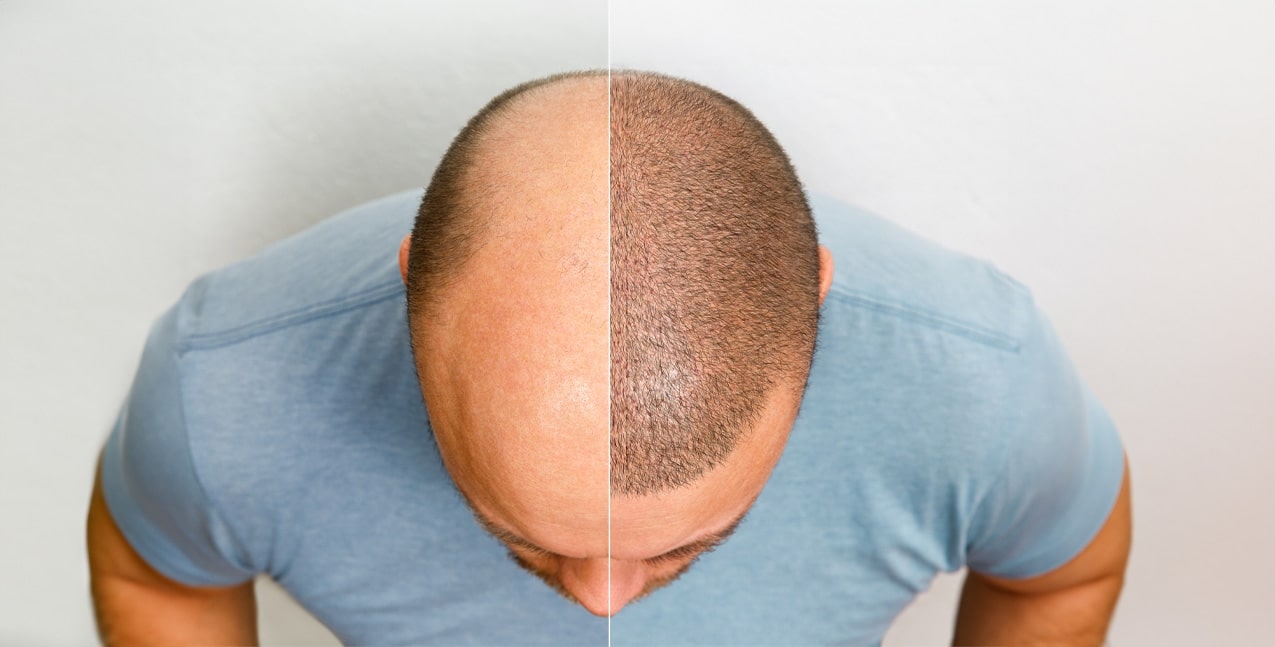
Quick Summary:
Hair transplant shock loss is temporary shedding of transplanted and surrounding native hair that affects 30–80% of patients, typically occurring 2–4 weeks after surgery and resolving within 3–6 months.
According to research published in medical literature, this shedding—clinically known as localized telogen effluvium—represents a normal physiological response to surgical trauma rather than graft failure.
This guide covers the complete shock loss timeline, scientific causes, prevention strategies, and what to expect during the regrowth phase after your hair restoration procedure.
Why Trust This Guide
This comprehensive guide is informed by peer-reviewed research from the International Society of Hair Restoration Surgery (ISHRS), published studies in journals including Annals of Dermatology and the Journal of Cutaneous and Aesthetic Surgery, and current clinical protocols from accredited hair transplant centers worldwide.
Carely Clinic’s medical team has reviewed this content to ensure accuracy and alignment with evidence-based hair restoration practices. All statistics and medical claims are attributed to verifiable sources to help you make informed decisions about your hair transplant journey.
What Is Hair Transplant Shock Loss?
Shock loss is temporary shedding of both transplanted grafts and existing native hair that occurs 2–4 weeks after hair transplant surgery, affecting 30–80% of patients according to published clinical data.
This phenomenon, medically termed localized telogen effluvium or recipient-site effluvium, represents the hair follicles’ natural response to surgical trauma. Despite appearing alarming, shock loss does not indicate procedure failure or graft rejection.
The transplanted hair follicles remain viable beneath the scalp surface even as the visible hair shafts fall out. Once the follicles recover from surgical stress and re-enter the active growth phase, new permanent hair begins emerging. The key distinction is that shock loss affects the hair shaft—not the hair follicle itself.
Understanding this temporary phase helps patients maintain realistic expectations during recovery. Many individuals experience significant psychological distress when shedding begins, unaware that it represents normal healing rather than a failed procedure.
Types of Shock Loss
Shock loss manifests in two distinct patterns depending on which scalp area is affected:
Recipient-site effluvium occurs in the transplant zone where grafts have been implanted. This type affects existing native hair disturbed by the implantation process as well as the transplanted grafts themselves.
Donor-site effluvium appears in the area where follicles were harvested, typically the back and sides of the head. This occurs due to disruption of blood capillaries during extraction.
Why Does Shock Loss Happen?
Shock loss results from surgical trauma that forces hair follicles into the telogen (resting) phase prematurely, causing synchronized shedding approximately 2–12 weeks after the procedure.
During normal hair growth, approximately 10–15% of scalp hair is in the telogen phase at any given time. Hair transplant surgery disrupts this natural cycle through several mechanisms that trigger a higher percentage of follicles to enter the resting phase simultaneously.
The Science Behind Shock Loss
Multiple factors contribute to shock loss following hair restoration surgery:
Physical trauma from incision creation: The process of making recipient sites disturbs neighboring hair follicles. Even with precise surgical technique, the micro-trauma affects surrounding tissue and can push nearby follicles into telogen.
Temporary blood supply disruption: During surgery, the delicate vasculature supplying the hair follicles experiences temporary interruption. Research indicates that insufficient oxygen supply to follicles in the 2–3 weeks following surgery contributes significantly to shedding.
Inflammatory response: The body’s natural healing response involves releasing inflammatory cytokines and stress hormones. These substances can signal follicles to enter the resting phase as part of the body’s protective mechanisms.
Follicle manipulation stress: Extracted follicular units remain outside the body for 1–3 hours during the transplant process, causing temporary weakening. While follicles survive this period, the stress can trigger initial shedding of the attached hair shafts.
Expert Insight
“Through these cases, we demonstrated that localized telogen effluvium could be a cause of hair loss after hair transplantation. Dermatologists should know and explain to patients that this can cause temporary hair loss and spontaneous recovery will occur.”
— Annals of Dermatology, Published Research on Post-Transplant Telogen Effluvium
Shock Loss Timeline: When Does It Occur?
Shock loss typically begins 2–4 weeks after surgery, peaks around week 4–6, and resolves within 3–6 months as follicles transition back to the active growth phase.
Understanding the precise timeline helps patients prepare emotionally and recognize that their experience follows the normal healing trajectory.
Week-by-Week Shock Loss Progression
Days 1–14: Initial Healing Phase
During the first two weeks, the scalp focuses on initial wound healing. Scabs form around transplanted grafts, and minimal shedding may occur. Most transplanted hair remains in place at this stage, giving patients an encouraging preview of their new hairline.
Weeks 2–4: Shedding Begins
Shock loss typically initiates around the 2-week mark. Patients notice hair falling out during washing, on pillows, and when gently touching the scalp. The transplanted hairs—along with any native hair affected by surgical trauma—begin shedding noticeably.
Weeks 4–6: Peak Shedding
The most intensive shedding occurs during this window. Many patients lose 50–90% of their transplanted hair during this phase. This can be psychologically challenging, but the follicles remain intact beneath the skin.
Weeks 6–12: Shedding Tapers
By the end of the third month, shock loss typically concludes. The scalp may appear similar to or slightly worse than pre-surgery as patients await new growth.
Months 3–4: New Growth Emerges
New hair begins sprouting from the transplanted follicles. Initial growth may appear fine, wispy, and lighter in color than the final result.
Who Is Most Likely to Experience Shock Loss?
Shock loss affects 30–80% of hair transplant patients, with severity influenced by surgical technique, individual patient factors, and pre-existing hair condition.
Not every patient experiences noticeable shock loss. Several factors determine both the likelihood and severity of post-operative shedding.
Risk Factors for Shock Loss
Surgical technique and surgeon expertise: Advanced techniques like FUE and DHI cause less trauma than older strip methods (FUT). Experienced surgeons using precise extraction and implantation techniques minimize surrounding tissue damage.
Graft quantity: Research indicates that larger graft quantities transplanted in extensive procedures correlate with increased shock loss severity due to greater overall scalp trauma.
Pre-existing miniaturized hair: Patients with significant pre-existing thinning in the recipient area face higher risk. Miniaturized hairs already weakened by androgenetic alopecia are more susceptible to trauma-induced shedding.
Patient sex: According to research published in 2023 by Okochi and colleagues, females demonstrate higher risk for recipient-site hair loss after hair restoration surgery compared to males.
Individual inflammatory response: Some patients’ scalps experience greater inflammatory reactions to surgery, making their follicles more prone to entering the telogen phase.
Does Shock Loss Affect Transplanted or Native Hair?
Shock loss can affect both transplanted grafts and existing native hair in the recipient area, though the mechanisms and recovery patterns differ slightly between the two.
Understanding which hairs are affected helps patients maintain appropriate expectations during the shedding phase.
Transplanted Hair Shock Loss
Transplanted follicular units undergo significant stress during extraction, storage, and reimplantation. Clinical data suggests that shock loss affects approximately 10–15% of transplanted hair cases, though it is almost always temporary.
The transplanted hair shafts shed while the follicle roots remain securely implanted beneath the scalp. These follicles enter a dormant phase to recover from surgical stress before beginning their new growth cycle in their transplanted location.
Recovery rate for transplanted follicle regrowth exceeds 95% in most patients when native hair is lost to shock loss.
Native Hair Shock Loss
Existing native hair in and around the recipient area can also experience shock loss, particularly in patients with diffuse thinning. The implantation process may disturb surrounding follicles, triggering them to enter telogen.
This is particularly common in women with diffuse female pattern hair loss, where implanted grafts interact closely with numerous fine existing hairs. These native hairs typically regrow alongside the transplanted follicles.
How to Minimize Shock Loss
While shock loss cannot be completely prevented, advanced surgical techniques, pre-operative preparation, and proper medication protocols can reduce its severity and duration.
Patients and surgeons can take proactive steps to minimize the impact of post-operative shedding.
Surgical Technique Considerations
Choose advanced methods: FUE (Follicular Unit Extraction), Sapphire FUE, and DHI (Direct Hair Implantation) techniques cause less trauma than older strip harvesting methods. The minimally invasive approach reduces inflammation and tissue damage.
Select an experienced surgeon: Experienced surgeons create recipient sites at angles parallel to existing hair follicles, reducing direct trauma. Precise graft handling and efficient surgical timing minimize stress on transplanted follicles.
Appropriate graft density: Skilled surgeons balance coverage goals with graft density that allows proper healing. Overly dense transplants in areas with significant existing hair may increase shock loss risk.
Pre-Operative Preparation
Minoxidil pre-treatment: Some surgeons recommend starting 5% minoxidil foam 4 weeks before surgery to strengthen existing hair and improve scalp circulation. The medication should be stopped 3–7 days before the procedure.
PRP therapy: Platelet-Rich Plasma treatment before or during surgery delivers growth factors that may reinforce follicle implantation and reduce shock loss severity.
Scalp health optimization: Ensuring the scalp is well-nourished and properly hydrated before surgery helps follicles better withstand surgical stress.
Treatment Options for Faster Recovery
Minoxidil and finasteride combination therapy can reduce shock loss risk and accelerate regrowth, while PRP treatments provide additional follicle support during the recovery phase.
Several evidence-based treatments help minimize shedding duration and promote faster return to normal hair growth.
Minoxidil (Topical Treatment)
Minoxidil 5% foam or solution works by dilating blood vessels and enhancing blood supply to hair follicles. When applied after surgery (typically starting 5–7 days post-procedure), it can:
- Reduce the severity of shock loss
- Stimulate faster regrowth of shed hair
- Improve overall follicle nutrition during recovery
Clinical research supports minoxidil’s vasodilatory properties for supporting follicular units with oxygen and nutrients essential for growth.
Finasteride (Oral Medication)
Finasteride 1mg daily helps protect existing native hair by blocking DHT (dihydrotestosterone), the hormone responsible for androgenetic alopecia. While it may not prevent shock loss directly, finasteride:
- Helps miniaturized hair that sheds during shock loss to regrow more robustly
- Protects native hair from ongoing pattern baldness
- Supports long-term transplant results
Research published in Dermatologic Surgery found that 94% of patients using finasteride from 4 weeks pre-surgery through 48 weeks post-surgery showed visible improvement compared to 67% in the placebo group.
Combined Therapy Benefits
The combination of minoxidil and finasteride provides synergistic benefits—increased blood supply paired with hormonal protection—that can decrease shock loss risk and accelerate recovery.
PRP (Platelet-Rich Plasma) Therapy
PRP involves extracting platelets from the patient’s own blood and injecting them into the scalp. The concentrated growth factors support:
- Follicle nourishment during recovery
- Enhanced graft survival rates
- Faster transition from telogen to anagen phase
Many Turkish clinics include PRP as standard practice due to its documented benefits for transplant success.
Expert Insight
“Application of minoxidil prior to and after hair transplantation can decrease the incidence of shock loss. The combination of minoxidil and finasteride is a great therapy that can decrease the risk of shock hair loss after hair transplantation.”
— Dr. Aygin Clinic, Published Clinical Guidance
When Will Hair Regrow After Shock Loss?
New hair growth typically begins 3–4 months after surgery, reaches 50–60% density by month 6, and achieves final results at 12–18 months post-procedure.
The regrowth phase follows a predictable timeline, though individual variation exists based on patient factors and hair characteristics.
Complete Regrowth Timeline
Months 1–3: Dormancy and Shedding
Transplanted follicles remain dormant beneath the scalp. Shock loss occurs and resolves during this period. The scalp may appear unchanged or slightly worse than pre-surgery.
Months 3–4: Early Sprouting
New hairs begin breaking through the scalp surface. Initial growth appears fine, thin, and may be lighter in color. Patients can feel tiny hairs with fingertips before they become visible.
Months 4–6: Visible Improvement
Hair strands thicken and darken progressively. Coverage reaches approximately 30–50% of final density. Uneven growth is normal as different follicles enter the anagen phase at different times.
Months 6–9: Significant Density
Most patients see substantial improvement during this window. Coverage typically reaches 50–70% of final density. Hair begins achieving natural texture and can be styled.
Months 9–12: Near-Final Results
Hair growth reaches approximately 80–90% of final density. Terminal-like caliber and natural shine develop. Most patients are satisfied with appearance at this stage.
Months 12–18: Full Maturation
Crown areas and late-growing follicles continue thickening until 15–18 months post-surgery. Final results with complete maturation are visible by 18 months for most patients.
How This Applies in Turkey
International guidelines on hair transplant recovery apply equally at Turkey’s JCI-accredited medical facilities, which follow identical clinical protocols and safety standards as American and European institutions.
Turkey has emerged as a global leader in hair restoration, performing nearly 60% of all international hair transplant procedures according to the ISHRS Global Census 2024. The country’s medical tourism infrastructure ensures international patients receive comprehensive care throughout their shock loss recovery period.
Cost Comparison
Hair transplant procedures in Turkey cost €2,000–€5,000 all-inclusive compared to $8,000–$20,000 in the USA and £5,000–£15,000 in the UK—representing savings of 50–75%. This price difference reflects lower operating costs rather than reduced quality.
Turkish all-inclusive packages typically cover:
- Pre-operative consultation and blood tests
- The surgical procedure using advanced FUE, Sapphire FUE, or DHI techniques
- PRP therapy (often included standard)
- Post-operative medications and care products
- 3–5 star hotel accommodation
- VIP airport transfers
- Dedicated patient coordinator and translation services
- Follow-up care and remote consultations during recovery
At Carely Clinic in Istanbul, hair transplant procedures are performed by board-certified surgeons at JCI-accredited partner hospitals. Patients receive personalized shock loss guidance and ongoing support throughout their 12–18 month recovery journey.
Learn more about Hair Transplant at Carely Clinic.
Shock Loss Summary Table
| Timeline | What Happens | What to Expect |
|---|---|---|
| Days 1–14 | Initial healing, scab formation | Minimal shedding; transplanted hair visible |
| Weeks 2–4 | Shock loss begins | Noticeable shedding of transplanted and native hair |
| Weeks 4–6 | Peak shedding phase | Up to 90% of transplanted hair may shed |
| Months 2–3 | Shedding concludes | Scalp appears similar to pre-surgery |
| Months 3–4 | New growth emerges | Fine, wispy hairs appear; may be lighter colored |
| Months 4–6 | Progressive thickening | 30–50% density; hair darkens and strengthens |
| Months 6–9 | Significant improvement | 50–70% density; natural texture develops |
| Months 9–12 | Near-final results | 80–90% density; most patients satisfied |
| Months 12–18 | Full maturation | Final results; crown continues filling in |
Frequently Asked Questions
Is shock loss after hair transplant permanent?
No, shock loss is temporary and resolves within 3–6 months. The hair follicles remain intact beneath the scalp surface; only the hair shafts fall out. Over 95% of native hair affected by shock loss regrows once follicles transition back to the active growth phase.
Does everyone experience shock loss after hair transplant?
Not everyone experiences noticeable shock loss. Research indicates that 30–80% of patients experience some degree of shedding, with severity varying based on surgical technique, individual factors, and pre-existing hair condition. Some patients experience minimal or no shock loss.
When does shock loss start after hair transplant?
Shock loss typically begins 2–4 weeks after surgery. Some patients notice shedding as early as 10 days post-procedure, while others may experience delayed onset at 4–6 weeks. Peak shedding usually occurs around weeks 4–6.
Can I prevent shock loss completely?
Complete prevention is not possible as shock loss represents a normal physiological response to surgical trauma. However, advanced surgical techniques, experienced surgeons, and medication protocols including minoxidil and finasteride can reduce severity and duration.
Will my transplanted hair grow back after shock loss?
Yes, transplanted hair grows back in the vast majority of cases. The transplanted follicles remain viable beneath the scalp even as the hair shafts shed. New growth typically emerges 3–4 months after surgery and reaches full maturation at 12–18 months.
Does shock loss affect the donor area?
Yes, shock loss can occur in the donor area where grafts were extracted. This happens due to temporary disruption of blood capillaries during harvesting. Donor area shock loss typically occurs within 3 weeks after surgery and resolves as blood supply normalizes.
Should I use minoxidil to reduce shock loss?
Minoxidil 5% can help reduce shock loss severity and accelerate regrowth by improving blood supply to hair follicles. Most surgeons recommend starting minoxidil 5–7 days after surgery. Consult your surgeon for personalized guidance on timing and application.
How do I know if shock loss is normal or something is wrong?
Normal shock loss involves painless shedding without bleeding, inflammation, or pus. The hair falls out evenly across the transplanted area. Contact your surgeon if you experience persistent inflammation, signs of infection, or shedding that continues beyond 3 months.
Does FUE cause less shock loss than FUT?
FUE (Follicular Unit Extraction) typically causes less shock loss than FUT (Follicular Unit Transplantation) because it is less invasive and creates smaller wounds. However, shock loss can occur with any technique as it results from the body’s response to surgical trauma.
When should I worry about hair loss after transplant?
Shedding within the first 3 months is normal. Consult your surgeon if you experience bleeding, signs of infection, shedding that persists beyond 4 months, or if you notice no new growth by month 5–6. Most concerns during the shock loss phase are unfounded.
Will shock loss make me look worse before I look better?
Many patients experience an “ugly duckling phase” where the scalp appears similar to or slightly worse than before surgery. This typically occurs during months 2–4 before new growth becomes visible. The temporary cosmetic setback resolves as new hair emerges and thickens.
Can PRP help with shock loss recovery?
PRP (Platelet-Rich Plasma) therapy delivers concentrated growth factors to hair follicles, supporting recovery and potentially accelerating the transition from telogen to anagen phase. Many clinics include PRP as part of comprehensive treatment protocols.
Conclusion
Hair transplant shock loss represents a normal, temporary phase of the recovery process that affects 30–80% of patients. Understanding that this shedding—occurring 2–4 weeks post-surgery—results from localized telogen effluvium rather than graft failure helps patients maintain realistic expectations during their hair restoration journey.
Key takeaways from this guide include:
- Shock loss typically peaks at weeks 4–6 and resolves within 3–6 months
- Both transplanted and native hair may shed, but follicles remain intact
- Advanced techniques like FUE and DHI minimize trauma and shock loss severity
- Minoxidil, finasteride, and PRP can support faster recovery
- Final results develop over 12–18 months as hair fully matures
Individual experiences with shock loss vary based on surgical technique, patient factors, and adherence to post-operative care. This guide provides general information based on international research and clinical guidelines. Consult qualified hair restoration specialists for personalized advice regarding your specific situation.
If you’re considering a hair transplant and want comprehensive support throughout your recovery—including shock loss management—our team is available to answer your questions and discuss your hair restoration options.