
Quick Summary
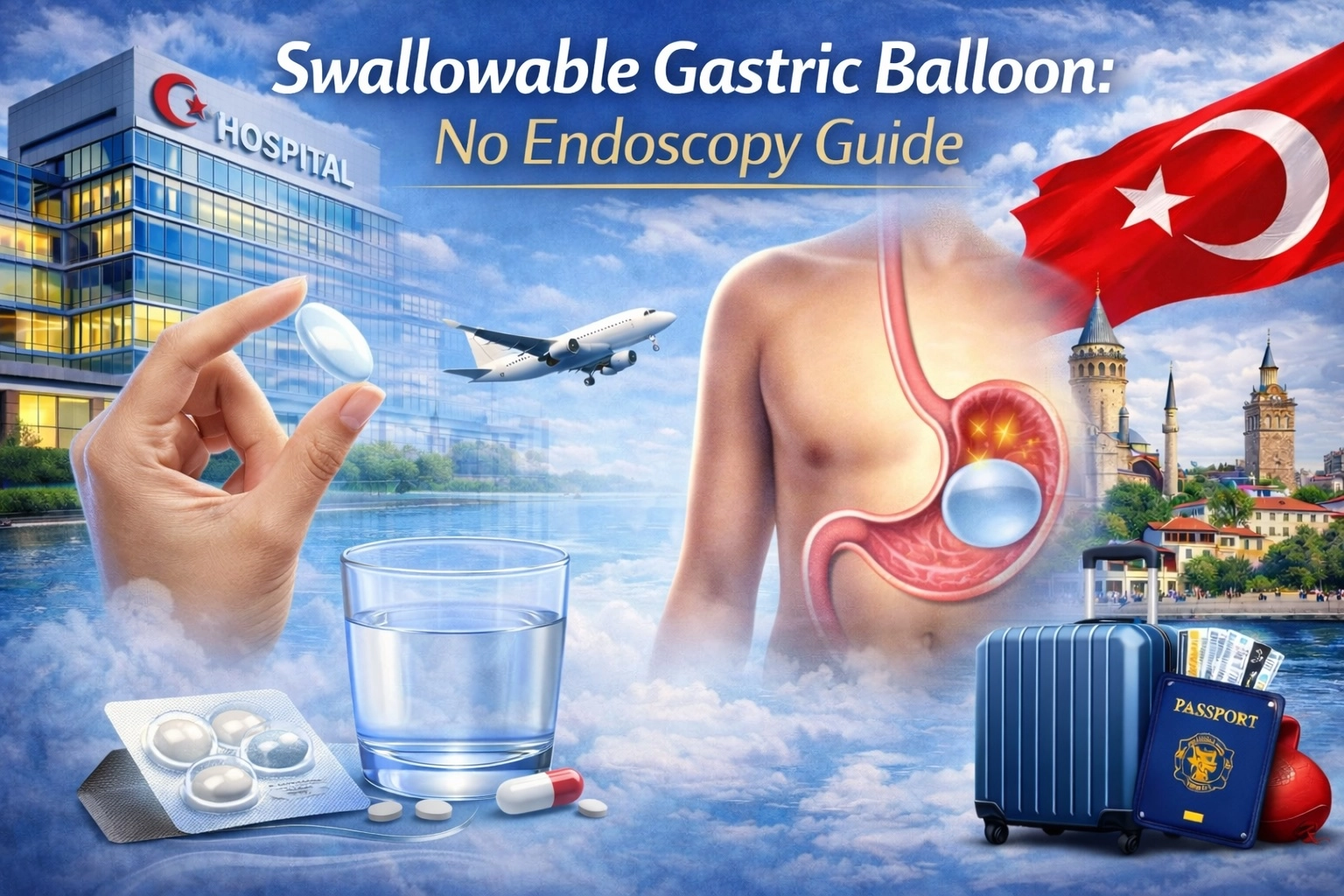
The swallowable gastric balloon is a capsule-sized weight loss device that requires no endoscopy, anesthesia, or surgery for placement or removal.
According to a 2020 multicenter study of 1,770 patients, the Allurion swallowable balloon achieves 14.2% total body weight loss over 16 weeks with 99.9% successful placement.
This guide covers how the procedure works, eligibility criteria, expected weight loss, safety data, recovery timeline, and cost comparisons across countries.
Why Trust This Guide
This article draws from peer-reviewed research published in Obesity Surgery, data from multicenter clinical trials involving over 20,000 patients, and current guidelines from bariatric medicine organizations. Information on the Allurion Balloon comes from FDA clinical trial results and international safety registries.
Carely Clinic specializes in non-surgical weight loss treatments at JCI-accredited facilities in Istanbul. Our editorial team synthesizes the latest clinical evidence to help patients make informed decisions about bariatric procedures.
What Is a Swallowable Gastric Balloon?
A swallowable gastric balloon is a non-surgical weight loss device placed by swallowing a capsule, eliminating the need for endoscopy, anesthesia, or surgical removal.
The Allurion Balloon, the world’s first procedureless intragastric balloon, is compressed into a capsule connected to a thin catheter, filled with 550ml of fluid once in the stomach, and naturally expelled after approximately 16 weeks. The entire placement takes about 15-20 minutes during an outpatient visit.
This represents a significant advancement from traditional gastric balloons, which require endoscopic placement under sedation and endoscopic removal after 6-12 months. The swallowable version addresses the primary barriers that prevented many patients from considering balloon therapy: fear of endoscopy, concerns about anesthesia, and the need for a second procedure to remove the device.
How It Differs from Traditional Gastric Balloons
Traditional intragastric balloons like Orbera and ReShape require conscious sedation or general anesthesia for endoscopic placement. A gastroenterologist guides an endoscope through the mouth into the stomach, positions the deflated balloon, fills it with saline, and withdraws the endoscope. After 6 months, patients return for another endoscopic procedure to deflate and remove the balloon.
The swallowable balloon eliminates both endoscopic procedures. Patients swallow a capsule containing the compressed balloon while fully awake. Once X-ray confirms proper stomach placement, the balloon is filled through the attached catheter, which is then gently removed. After approximately 16 weeks, a time-release valve opens, the balloon deflates, and it passes naturally through the digestive system.
The Technology Behind the Design
The Allurion Balloon uses advanced polyurethane material engineered to be thin enough for compression into a swallowable capsule yet durable enough to maintain integrity for 16 weeks. The smooth surface minimizes gastric irritation compared to older balloon designs.
The time-release valve mechanism represents sophisticated bioengineering. A valve automatically opens at approximately 16 weeks, allowing the saline to drain into the digestive system where it’s absorbed. The deflated balloon then travels through the intestines and exits naturally without requiring intervention.
How Does the Procedure Work?
The swallowable balloon placement involves swallowing a capsule, X-ray confirmation, balloon filling through a catheter, and catheter removal—all completed in 15-20 minutes without endoscopy or anesthesia.
According to the 2020 multicenter study, 99.9% of 1,770 patients successfully swallowed the device, with 35.9% requiring stylet assistance to facilitate placement. The procedure is performed entirely in an outpatient setting with patients fully conscious throughout.
Step-by-Step Placement Process
Pre-Procedure Preparation (5 minutes): Patients arrive having fasted for at least 4 hours. The medical team explains the process and positions the patient comfortably in a chair or semi-reclined position. No IV lines, sedation medications, or anesthesia equipment are needed.
Capsule Swallowing (2-5 minutes): The patient swallows the capsule with water, similar to taking a large vitamin. The capsule measures approximately 2.5cm in length and is attached to a thin, flexible catheter. For patients who experience difficulty swallowing, clinicians can use a stylet—a thin guidewire inserted into the catheter to provide gentle assistance.
Position Verification (2 minutes): Once the capsule reaches the stomach, an abdominal X-ray confirms proper placement. This ensures the balloon is positioned correctly before filling begins.
Balloon Inflation (5 minutes): With the catheter still extending from the patient’s mouth, the clinician attaches a syringe filled with 550ml of sterile saline. The fluid is gradually introduced through the catheter into the balloon. Patients may feel pressure or fullness as the balloon expands to approximately the size of a grapefruit.
Final Verification and Catheter Removal (3 minutes): A second X-ray confirms the balloon is properly filled and positioned. The clinician then gently detaches the catheter from the balloon’s self-sealing valve and removes it through the patient’s mouth. The entire catheter withdrawal takes about 10 seconds and causes minimal discomfort.
Immediate Post-Placement (15-30 minutes): Patients rest briefly in the recovery area to ensure they tolerate the balloon well. Most people can walk out of the clinic unaccompanied and drive themselves home since no sedation was used.
What Makes It “Procedureless”?
The term “procedureless” reflects three key distinctions from traditional gastric balloon placement. First, no endoscopic equipment enters the patient’s body—the only instrument is the thin catheter briefly extending from the mouth during filling. Second, no anesthesia or sedation is required, eliminating associated risks and recovery time. Third, no medical professional needs to manipulate instruments inside the patient’s digestive tract.
This approach reduces procedure-related risks, eliminates the need for specialized endoscopy suites, and allows placement in standard outpatient settings. Patients avoid the anxiety associated with sedation and endoscopy while maintaining full awareness throughout the brief procedure.
Who Qualifies for a Swallowable Gastric Balloon?
Swallowable gastric balloon candidates typically have BMI between 27-40, are ages 16-65, and have attempted weight loss through diet and exercise without sustained success.
According to the 2020 multicenter study, included patients had mean BMI of 34.4±5.3 kg/m² with ages ranging from 16-65 years. More recent 2025 data from international obesity centers shows similar eligibility patterns with BMI 27-40 representing the ideal candidate range.
BMI and Weight Requirements
The primary eligibility criterion is body mass index between 27 and 40 kg/m². This range encompasses individuals classified as overweight (BMI 27-29.9) through Class II obesity (BMI 35-39.9). The lower threshold of BMI 27 represents patients who may benefit from modest weight loss to address obesity-related health conditions.
Patients with BMI above 40 (Class III obesity) typically require more aggressive interventions like bariatric surgery. However, some centers use the swallowable balloon as a bridge to surgery, helping extremely obese patients lose initial weight to reduce surgical risks.
Weight requirements translate to approximately 15-50 kg (33-110 lbs) of excess weight for most patients. Those with minimal excess weight may achieve their goals through lifestyle modification alone, while those significantly above the BMI 40 threshold typically need surgical intervention for adequate weight loss.
Age Considerations
Most programs accept patients ages 16-65, though some centers extend the upper age limit based on individual health assessment. Adolescent patients (ages 16-18) require parental consent and typically undergo more comprehensive psychological evaluation to ensure readiness for the lifestyle changes required.
Patients over 65 may qualify if they’re in good general health, though age-related factors like slower gastric motility, increased medication use, and higher prevalence of contraindicated conditions require careful evaluation.
Health Status and Contraindications
Absolute Contraindications: Pregnancy or plans to become pregnant within 6 months, previous gastric or esophageal surgery (except diagnostic laparoscopy, appendectomy, or cholecystectomy), large hiatal hernia (>4-5cm), active gastric or duodenal ulcers, esophageal or gastric varices, inflammatory bowel disease, gastrointestinal bleeding disorders, severe coagulopathy, and esophageal motility disorders.
Relative Contraindications: History of three or more cesarean sections, chronic NSAID use that cannot be discontinued, inability to take proton pump inhibitors, active eating disorders (bulimia, binge eating), severe psychological conditions, and swallowing difficulties.
Medical Conditions Requiring Evaluation: Type 2 diabetes (requires medication adjustment monitoring), hiatal hernia smaller than 4cm (may be acceptable), previous intestinal obstruction (requires detailed evaluation), and patients on anticoagulation therapy (requires risk assessment).
Lifestyle Readiness
Successful balloon therapy requires commitment to dietary changes, regular physical activity, and participation in nutritional counseling. Patients must be willing to modify eating behaviors, attend follow-up appointments, and engage with the digital health tracking tools provided.
Candidates should have realistic expectations about weight loss outcomes. The balloon is not a magic solution but a tool that works in conjunction with behavioral changes. Those seeking quick fixes without lifestyle modification typically experience disappointing results and weight regain.
Weight Loss Results and Expectations
Swallowable gastric balloon patients lose an average of 10-15% total body weight over 16 weeks, with individual results ranging from 5-20% depending on adherence to dietary guidelines.
The 2020 multicenter study of 1,770 patients reported mean weight loss of 13.5±5.8 kg, representing 14.2±5.0% total body weight loss and 67.0±64.1% excess weight loss over 4 months. A 2024 systematic review of 2,107 patients confirmed mean 12.47% total body weight loss with 4.75 BMI reduction.
Expected Weight Loss Timeline
Weeks 1-2: Minimal weight loss during the adaptation period. The body adjusts to the balloon’s presence, and most patients experience reduced appetite despite eating very limited quantities. Weight loss typically ranges from 1-3 kg as water weight drops and caloric intake decreases.
Weeks 3-6: Accelerated weight loss phase begins. With the balloon occupying stomach space and creating sustained fullness, patients naturally consume 30-50% fewer calories. Average weight loss during this period is 0.5-1 kg per week. Many patients report this as the easiest phase as hunger is significantly reduced.
Weeks 7-12: Steady weight loss continues at approximately 0.5-0.75 kg per week. The body begins metabolic adaptation, so the rate may slow slightly compared to weeks 3-6. This phase requires stronger focus on food quality and portion control as initial novelty wears off.
Weeks 13-16: Final weight loss period before balloon passage. Some patients experience a plateau during this phase, while others continue steady loss. The cumulative effect typically reaches 10-15% total body weight loss by week 16.
Factors Affecting Individual Results
Baseline BMI: Patients with higher starting BMI often lose more absolute weight but similar percentages. Someone starting at 100 kg may lose 12-15 kg (12-15%), while someone at 80 kg may lose 9-12 kg (11-15%).
Dietary Adherence: Strict adherence to the recommended low-calorie, high-protein diet correlates strongly with superior outcomes. Patients who continue consuming high-calorie liquids, sweets, or frequent small meals achieve suboptimal results.
Physical Activity: Regular exercise enhances weight loss and improves body composition. Studies show patients incorporating 150+ minutes of weekly activity lose 20-30% more weight than sedentary counterparts.
Metabolic Factors: Individual metabolic rate, hormonal status, medication use, and previous weight loss attempts influence results. Some patients are metabolic “slow responders” despite perfect adherence.
Support System Engagement: Active participation in nutritional counseling, use of the connected scale and health tracker app, and regular communication with the care team correlates with better outcomes.
Long-Term Weight Maintenance
The 2025 multicenter study tracking 522 patients for 12 months after balloon passage found that 95% of weight lost during the balloon period was maintained one year later when patients continued using the digital health tools and received regular virtual follow-up.
However, weight maintenance requires ongoing lifestyle adherence. Patients who return to previous eating patterns typically regain weight within 6-12 months after balloon passage. The balloon period should be viewed as an intensive training phase for developing sustainable habits.
Some patients opt for sequential balloon placements. After completing the first 16-week program and achieving initial goals, they may place a second balloon after a recovery period to achieve additional weight loss or prevent regain.
Safety Profile and Side Effects
Swallowable gastric balloon demonstrates a favorable safety profile with serious complication rates of 1.1% intolerance requiring early removal and 0.3% hyperinflation, according to 2024 data from 497 patients.
A 2024 systematic review analyzing 2,107 patients reported no procedure-related mortality and adverse events including nausea/vomiting (22.9%), abdominal pain (33%), reflux (52%), headache (12%), and asthenia (24%). Most side effects resolve within the first week as the body adapts to the balloon.
Common Side Effects (First 3-7 Days)
Nausea (80.4% of patients): The most common initial side effect results from the stomach’s reaction to the foreign object. Nausea typically peaks on days 2-3 and gradually subsides by day 7. Anti-nausea medications prescribed after placement help manage symptoms during the adaptation period.
Abdominal Pain and Cramping (80.3% of patients): Stomach cramping occurs as the organ adjusts to the balloon’s presence. Pain intensity varies from mild discomfort to significant cramping requiring pain medication. Most patients report improvement after 3-5 days.
Reflux and Heartburn (52% of patients): Gastroesophageal reflux develops in about half of patients due to increased stomach pressure. Proton pump inhibitors prescribed before and during balloon placement help control acid production and minimize reflux symptoms.
Vomiting (22.9% of patients): Some patients experience vomiting during the first few days, particularly if they attempt to eat too much or too quickly. This typically resolves once patients learn to eat smaller portions and chew thoroughly.
Fatigue and Weakness (24% of patients): Reduced caloric intake combined with adaptation stress can cause temporary fatigue. This usually improves within 1-2 weeks as the body adjusts to the new eating pattern.
Dehydration (0.5% of patients): Persistent vomiting or inability to tolerate liquids can lead to dehydration requiring medical intervention. Patients experiencing severe symptoms should contact their medical team immediately.
Serious Complications (Rare)
Balloon Intolerance (1.1%): A small percentage of patients cannot tolerate the balloon despite medication management. Persistent severe nausea, vomiting, or pain that doesn’t improve after 5-7 days may require endoscopic balloon removal.
Hyperinflation (0.3%): Rare cases of spontaneous balloon overinflation cause intense abdominal pain, distension, difficulty breathing, and vomiting. This requires immediate medical attention and balloon removal.
Early Deflation (2.4%): Some balloons deflate before the intended 16-week period. While the deflated balloon typically passes naturally, one case in the 336-patient Dutch study showed gastric outlet obstruction requiring endoscopic removal.
Small Bowel Obstruction (0.1-0.8%): Extremely rare but potentially serious, this occurs if the deflated balloon lodges in the small intestine rather than passing completely. Symptoms include severe abdominal pain, bloating, and inability to pass stool.
Gastric Ulceration (<1%): The balloon’s presence can cause stomach wall irritation leading to ulcer formation, particularly in patients who discontinue proton pump inhibitors or use NSAIDs during the treatment period.
Comparison to Traditional Balloon Safety
The swallowable balloon avoids the risks associated with endoscopy and anesthesia. Traditional balloons carry sedation-related risks (aspiration, respiratory depression, allergic reactions) and endoscopy complications (perforation, bleeding, dental injuries). The procedureless approach eliminates these risks entirely.
However, the swallowable balloon’s spontaneous passage introduces a unique concern about intestinal obstruction during excretion. This risk appears minimal (0.1-0.8%) but requires patient awareness of warning signs.
Warning Signs Requiring Immediate Medical Attention
Patients should contact their medical team immediately if they experience: severe abdominal pain lasting more than 24 hours despite medication, persistent vomiting preventing liquid intake for 8+ hours, inability to pass stool or gas for 24+ hours, black or bloody stools, severe bloating or abdominal distension, difficulty breathing, or chest pain.
Recovery Timeline
Most patients return to desk work within 1-2 days and normal activities within 3-5 days after swallowable balloon placement, with full adaptation to eating patterns occurring by week 2.
Unlike traditional balloon placement requiring sedation recovery, swallowable balloon patients are fully alert immediately after the procedure. The recovery focuses on adapting to dietary changes and managing initial side effects rather than recovering from anesthesia or endoscopy.
Day of Placement
Immediate Post-Procedure (0-2 hours): After catheter removal, patients rest briefly in the recovery area. Most experience moderate fullness but can walk and function normally. Since no sedation was used, patients can leave unaccompanied and drive themselves home.
First Evening (2-8 hours): Begin clear liquid diet as instructed. Small sips of water, clear broth, sugar-free gelatin, and diluted juice are permitted. Many patients have little appetite due to fullness from the balloon. Anti-nausea and acid-suppressing medications should be taken as prescribed.
Overnight (8-24 hours): Some nausea or mild cramping may develop as the stomach adjusts. Sleep position may need adjustment—many patients find sleeping semi-upright more comfortable initially. Continue clear liquids and medications.
Days 2-7: Adaptation Period
Physical Activity: Light walking is encouraged to prevent dehydration and promote digestion. Avoid strenuous exercise, heavy lifting, or activities involving bending at the waist. Most patients can perform sedentary work or work from home starting day 2-3.
Diet Progression: Days 2-3 continue clear liquids. Days 4-5 progress to full liquids (protein shakes, thin soups, milk). Days 6-7 begin soft foods (yogurt, mashed vegetables, pureed proteins). Each progression step should be gradual based on tolerance.
Symptom Management: Nausea typically peaks on days 2-3. Take anti-nausea medication 30 minutes before attempting to eat or drink. Abdominal cramping gradually improves throughout the week. Report persistent severe symptoms to your medical team.
Hydration Focus: Dehydration risk is highest during this period. Aim for 1.5-2 liters of fluid daily, consumed in small sips throughout the day. Signs of adequate hydration include light yellow urine and moist mouth.
Weeks 2-4: Establishing New Eating Patterns
Return to Normal Activity: By week 2, most patients resume all normal activities including work, exercise, and social engagements. Some continue experiencing mild fullness or occasional nausea when eating too quickly.
Dietary Expansion: Gradually introduce more variety while maintaining small portions. Learn to recognize true fullness signals from the balloon. Most patients discover they feel satisfied with 1/3 to 1/2 their previous meal sizes.
Exercise Introduction: Start with low-impact activities like walking, swimming, or cycling. Gradually increase intensity as energy levels improve. Avoid high-impact exercises that might cause balloon displacement.
Weeks 5-16: Active Weight Loss Phase
Normalized Eating: By week 5, most patients have fully adapted to eating with the balloon. The focus shifts from symptom management to optimizing nutrition for weight loss while maintaining adequate protein and micronutrients.
Regular Monitoring: Continue tracking weight, food intake, and physical activity using the connected scale and mobile app. Regular check-ins with the nutritional team help maintain accountability and adjust strategies as needed.
Preparing for Balloon Passage: Around week 14-15, the care team will educate patients about balloon deflation and passage. Most people don’t notice the exact moment the balloon deflates, but some feel a sudden reduction in fullness.
Week 16+: Balloon Passage and Transition
Balloon Deflation: The time-release valve typically opens around week 16, though timing varies from 14-18 weeks. The deflated balloon passes through the intestines over 24-48 hours and exits during a normal bowel movement.
Passage Signs: Some patients notice darker stool color when the balloon passes. Others experience no noticeable change. Rarely, the deflated balloon may be vomited out instead of passing through the intestines.
Post-Passage Adjustment: After balloon passage, stomach capacity remains somewhat reduced for 2-4 weeks. This “grace period” helps with the transition to maintaining weight loss without the balloon’s physical restriction.
Cost Comparison by Country
Swallowable gastric balloon costs €2,500-€4,000 in Turkey, compared to £3,000-£8,000 (€3,500-€9,400) in the UK and $4,800-$9,000 (€4,500-€8,400) in the USA, representing 50-70% cost savings.
These price ranges include the balloon device, placement procedure, initial medical evaluation, post-procedure medications, and the connected digital health platform (smart scale, health tracker, and mobile app). Costs vary based on clinic location, included services, and follow-up duration.
Turkey Pricing Breakdown
Standard Packages (€2,500-€3,000): Include balloon placement, pre-procedure evaluation, X-ray imaging, medications for the first week, and basic nutritional counseling. Some clinics in Istanbul and Antalya offer packages in this range, though they may have limited English-speaking support or shorter follow-up periods.
Comprehensive Packages (€3,000-€4,000): Include everything in standard packages plus extended nutritional counseling (6 months), dedicated coordinator support in English, airport transfers, hotel accommodation (2-3 nights), all imaging and lab tests, comprehensive medication supply, and virtual follow-up appointments throughout the 16-week balloon period.
Premium Packages (€4,000+): Offered by JCI-accredited facilities with internationally trained physicians. Include all comprehensive package elements plus concierge services, luxury hotel accommodations, personalized meal planning, one-on-one nutrition coaching, and extended post-balloon support for weight maintenance.
UK Pricing Breakdown
Private Clinics (£3,000-£5,000): Basic packages at non-hospital private clinics include balloon, placement, and limited follow-up. Patients typically pay separately for nutritional counseling, medications, and imaging.
Specialized Weight Loss Centers (£5,000-£6,500): Comprehensive programs include balloon, full medical evaluation, registered dietitian support, exercise planning, psychological counseling, and 6-month follow-up care.
Premium Facilities (£6,500-£8,000): Top-tier London clinics with extensive bariatric expertise offer complete programs including unlimited nutritional counseling, personal training options, and extended maintenance support.
NHS Coverage: The swallowable gastric balloon is rarely funded through NHS. Patients must typically pursue treatment privately or wait for traditional balloon placement (also rarely funded) through exceptional circumstances routes.
USA Pricing Breakdown
Outpatient Centers ($4,800-$6,500): Many weight loss centers offer the swallowable balloon as part of their bariatric program portfolio. Prices include device, placement, and basic nutritional support but may exclude imaging, medications, and extended counseling.
Hospital-Based Programs ($6,500-$9,000): Academic medical centers and hospital bariatric departments offer comprehensive programs with multidisciplinary team support including physicians, dietitians, psychologists, and exercise physiologists.
Insurance Coverage: Most U.S. insurance plans do not cover the swallowable balloon as it’s investigational in the United States. The Allurion Balloon completed its FDA clinical trial (AUDACITY) in 2024 with positive results, and the company expects FDA approval in 2026. Once approved, insurance coverage may become more widely available.
What’s Typically Included
Core Components (All Countries): Allurion Balloon device, placement procedure, X-ray imaging (2 images during placement), thin catheter for filling, connected smart scale, health tracker device, mobile app access, initial medical consultation, and basic post-placement instructions.
Standard Additions: Anti-nausea medications, proton pump inhibitors, pain management medications (first week supply), nutritional guide materials, emergency contact information, and 1-2 follow-up appointments.
Premium Add-Ons: Extended nutritional counseling (weekly or bi-weekly), psychological support, exercise program design, meal planning services, unlimited virtual consultations, post-balloon weight maintenance programs, and option for sequential balloon placement.
Hidden Costs to Consider
Travel Expenses (International Patients): Flights, accommodation beyond included nights, meals during stay, local transportation, and travel insurance. For Turkey treatments, budget €300-€800 for travel costs from European countries.
Extended Stay Needs: If side effects are more severe than expected, some patients need additional hotel nights beyond the package. Consider budgeting €50-€100 per extra night.
Additional Medications: While initial medications are included, some patients need extended prescriptions for anti-nausea drugs or acid suppressors if symptoms persist beyond the first week.
Emergency Intervention: If balloon intolerance occurs and early removal is needed, endoscopic removal procedures cost €800-€2,000 depending on location. Some packages include this coverage, others charge separately.
Follow-Up Imaging: If complications are suspected or the balloon doesn’t pass as expected, additional X-rays or ultrasounds may be needed (€50-€200 per imaging study).
How This Applies in Turkey
International guidelines for swallowable gastric balloon apply equally at Turkey’s JCI-accredited facilities, following identical safety protocols and efficacy standards as American and European institutions.
Turkey has emerged as a leading destination for swallowable balloon treatment, with Istanbul hosting several JCI-accredited bariatric centers specializing in non-surgical weight loss. The cost advantage reaches 50-70% compared to Western countries while maintaining comparable quality standards.
Patients choosing Turkey for swallowable balloon treatment typically complete the entire process within 2-3 days, compared to longer waiting periods in countries with insurance authorization requirements. Most Istanbul clinics offer comprehensive packages including airport transfer, hotel accommodation, placement procedure, medications, and English-speaking coordinator support.
Turkey’s bariatric specialists have placed thousands of swallowable balloons, developing extensive experience with international patients. The country’s medical tourism infrastructure ensures smooth coordination, transparent pricing, and comprehensive aftercare through virtual platforms.
At Carely Clinic in Istanbul, swallowable gastric balloon is performed at JCI-accredited partner hospitals by board-certified bariatric surgeons. Packages include all medical services, accommodation, transfers, medications, digital health platform access, and 6-month virtual nutritional support. The all-inclusive approach eliminates surprise costs and ensures international patients receive the same quality care as local patients.
The typical Turkey package costs €2,800-€3,500 and includes: pre-procedure medical evaluation, balloon placement procedure, 2 nights hotel accommodation (4-star), airport-hotel-hospital transfers, all imaging (X-rays), complete medication supply (anti-nausea, PPI, pain management), English-speaking patient coordinator, digital health tools (scale, tracker, app), virtual nutritional counseling (6 months), emergency contact support, and post-balloon weight maintenance guidance.
International patients appreciate Turkey’s combination of expertise, affordability, and comprehensive support. The short trip duration (2-3 days) minimizes time away from work, and the procedureless nature means patients can travel home immediately after placement without recovery concerns.
Learn more about Swallowable Gastric Balloon at Carely Clinic.
Swallowable vs Traditional Balloon Comparison
| Feature | Swallowable Balloon (Allurion) | Traditional Balloon (Orbera/ReShape) |
|---|---|---|
| Placement Method | Swallow capsule while awake | Endoscopic insertion under sedation |
| Anesthesia Required | None | Conscious sedation or general anesthesia |
| Procedure Duration | 15-20 minutes | 20-30 minutes plus recovery |
| Recovery Time | Walk out immediately; 1-2 days for work | 2-4 hours sedation recovery; 2-3 days for work |
| Duration in Stomach | 16 weeks (approximately 4 months) | 24-26 weeks (6 months) |
| Removal Method | Self-deflates and passes naturally | Endoscopic removal under sedation |
| Balloon Volume | 550ml liquid-filled | 400-750ml liquid-filled |
| Expected Weight Loss | 10-15% total body weight | 10-15% total body weight |
| Common Side Effects | Nausea (80%), abdominal pain (80%), reflux (52%) | Nausea (30-40%), abdominal pain (30-40%), reflux (30%) |
| Intolerance Rate | 1.1% (requires endoscopic removal) | 4.2% (endoscopic removal) |
| Cost (Turkey) | €2,500-€4,000 | €3,000-€5,000 |
| Cost (UK) | £3,000-£8,000 | £4,000-£7,000 |
| Cost (USA) | $4,800-$9,000 (investigational) | $6,000-$9,000 |
| Best For | Patients avoiding endoscopy/anesthesia; short treatment preference; international patients | Patients wanting longer balloon duration; those comfortable with sedation procedures |
Choosing Between Swallowable and Traditional Balloons
Choose Swallowable Balloon If: You want to avoid endoscopy and anesthesia, have anxiety about sedation procedures, need to return to work immediately, prefer a shorter treatment duration (4 months), are traveling internationally for treatment, or have had negative experiences with previous endoscopic procedures.
Choose Traditional Balloon If: You want the balloon to remain in place longer (6 months), prefer adjustable volume options (Spatz balloon), feel more comfortable with established endoscopic procedures, or have medical conditions requiring close monitoring that benefits from scheduled endoscopy appointments.
Both Options Work Well For: Patients with BMI 27-40, those committed to lifestyle changes, people seeking non-surgical weight loss, and individuals who have unsuccessfully attempted diet and exercise alone.
What to Expect: Complete Timeline
Before Placement
4 Weeks Prior: Initial consultation with bariatric team to assess eligibility, review medical history, and set weight loss goals. Blood tests and other medical evaluations completed.
2 Weeks Prior: Begin familiarizing yourself with portion sizes and eating slowly. Start taking proton pump inhibitor if prescribed.
1 Week Prior: Confirm travel arrangements if applicable. Purchase soft foods and protein shakes for post-placement diet. Arrange time off work (2-3 days recommended).
Day Before: Fast from midnight or as instructed (typically 4-6 hours before placement). Prepare comfortable loose clothing for placement day.
Placement Day
Arrival (0 hours): Check-in, vital signs assessment, final questions with medical team.
Placement Procedure (0.25 hours): Swallow capsule, X-ray confirmation, balloon filling, catheter removal.
Immediate Post-Placement (0.5 hours): Rest in recovery area, begin clear liquids, receive medications and instructions.
Return Home (1-2 hours post-placement): Leave clinic, continue clear liquids, begin anti-nausea and acid-suppressing medications.
Week 1: Adaptation
- Days 1-3: Clear liquids only; expect moderate nausea and fullness
- Days 4-5: Progress to full liquids if tolerating well
- Days 6-7: Begin soft foods; symptoms typically improving
Weeks 2-4: Early Weight Loss
- Week 2: Return to normal activities; establish eating routine with smaller portions
- Week 3: Weight loss accelerates; energy levels improving
- Week 4: First significant weight check; typically 3-5% body weight lost
Weeks 5-12: Active Weight Loss
- Week 5-8: Peak weight loss period (0.5-1 kg weekly)
- Week 9-12: Steady continued loss; total 8-12% body weight lost by week 12
Weeks 13-16: Final Phase
- Week 13-14: Continued weight loss; total 10-15% body weight lost
- Week 15-16: Balloon deflation approaching; prepare for passage
Week 16+: Balloon Passage and Transition
- Deflation: Occurs automatically around week 16; some patients notice sudden reduced fullness
- Passage: Balloon exits naturally within 24-48 hours after deflation
- Post-Passage: Stomach capacity remains somewhat reduced for 2-4 weeks
Months 5-10: Maintenance Phase
- Months 5-6: Continue virtual nutritional support; focus on habit consolidation
- Months 7-10: Independent maintenance using established eating patterns
- Month 12: Final evaluation; 95% of patients maintain weight loss with continued support
Frequently Asked Questions
How long does a swallowable gastric balloon stay in your stomach?
The swallowable gastric balloon remains in the stomach for approximately 16 weeks (4 months). A time-release valve automatically opens around week 16, allowing the balloon to deflate and pass naturally through the digestive system within 24-48 hours. This eliminates the need for endoscopic removal required with traditional gastric balloons.
Can I feel the balloon moving or changing position in my stomach?
Most patients do not feel the balloon moving. The balloon is designed to sink to the bottom of the stomach due to its saline filling, where it remains relatively stationary. Occasionally patients notice fullness or slight movement when changing positions quickly, but the balloon cannot migrate to other parts of the digestive system while inflated.
What happens if I can’t swallow the capsule?
Approximately 99.9% of patients successfully swallow the capsule according to the 2020 multicenter study. For those with difficulty, clinicians use a thin stylet (guidewire) to gently assist the capsule into the stomach. About 36% of patients require stylet assistance, which adds only 1-2 minutes to the procedure. No patient in major studies has been unable to receive the balloon due to swallowing difficulty.
Will I be able to eat normally with the balloon?
You will eat normal foods but in much smaller quantities. The balloon occupies approximately one-third of stomach space, creating early fullness. Most patients feel satisfied with meals that are 30-50% smaller than their previous portions. The key is eating slowly, chewing thoroughly, and stopping when full. High-quality protein, vegetables, and whole grains should comprise most meals.
How do I know when the balloon has deflated and passed?
Some patients notice a sudden reduction in the fullness sensation around week 16, indicating balloon deflation. The deflated balloon typically passes through the intestines within 24-48 hours. About 60% of patients don’t notice the exact moment of passage, while 40% observe darker stool or see the deflated balloon during bowel movements. Rarely, the balloon may be vomited out instead of passing through the intestines.
Can I exercise with the balloon in my stomach?
Yes, exercise is strongly encouraged and enhances weight loss results. Light walking can begin immediately after placement. Low-impact activities like swimming, cycling, and yoga can start after week 1. Moderate exercise including jogging, strength training, and aerobics can begin week 2-3 once initial side effects resolve. Avoid high-impact activities, contact sports, or exercises involving extreme bending at the waist during the first 2 weeks.
What if I need an MRI or other medical procedure while the balloon is in place?
The Allurion Balloon is MRI-safe and compatible with most medical imaging. Inform all healthcare providers that you have a gastric balloon before any procedure. The balloon will not interfere with CT scans, ultrasounds, or standard X-rays. Some endoscopic procedures may need to be delayed until after balloon passage, or the balloon can be removed early if urgent intervention is needed.
Will insurance cover the swallowable gastric balloon?
In most countries, insurance coverage is limited. The swallowable balloon is rarely covered by NHS in the UK or by U.S. insurance plans as it’s still investigational in America. Some European private insurance plans offer partial coverage for BMI above 35 with obesity-related health conditions. Most patients pay out-of-pocket, which explains the popularity of more affordable options in Turkey. Once FDA approval is granted in 2026, U.S. insurance coverage may expand.
Can I have a second balloon after the first one passes?
Yes, sequential balloon placements are permitted and commonly done. After the first balloon passes, patients typically wait 2-4 weeks before placing a second balloon. Some patients achieve their weight loss goals with one balloon, while others benefit from sequential placements. Your medical team will assess whether a second balloon is appropriate based on your weight loss, health improvements, and commitment to lifestyle changes.
What should I do if I experience severe pain or vomiting?
Contact your medical team immediately if you experience severe abdominal pain lasting more than 24 hours, persistent vomiting preventing liquid intake for 8+ hours, inability to pass stool or gas for 24+ hours, black or bloody stools, severe bloating, difficulty breathing, or chest pain. These symptoms may indicate complications requiring medical evaluation. Most patients experience only mild-moderate discomfort managed with prescribed medications.
How much weight will I lose with a swallowable gastric balloon?
Average weight loss is 10-15% of total body weight over the 16-week balloon period. A person weighing 100 kg typically loses 10-15 kg, while someone at 80 kg loses 8-12 kg. Individual results vary based on starting weight, dietary adherence, physical activity, and metabolic factors. About 20% of patients lose more than 15%, while 10% lose less than 8% despite good adherence.
Can I drink alcohol with the balloon?
Alcohol should be avoided during the balloon period. Alcoholic beverages provide empty calories that undermine weight loss efforts, increase gastric irritation, and can interact with medications prescribed for balloon management. Additionally, alcohol’s dehydrating effects compound the reduced fluid intake that often occurs with the balloon. Most programs recommend complete alcohol abstinence during the 16-week treatment period.
Conclusion
The swallowable gastric balloon represents a significant advancement in non-surgical weight loss, achieving 10-15% total body weight loss over 16 weeks without endoscopy, anesthesia, or surgical removal. Clinical evidence from over 20,000 patients demonstrates favorable safety with 99.9% successful placement and serious complication rates below 2%.
The procedure works best for patients with BMI 27-40 who are committed to dietary changes and lifestyle modification. The balloon serves as a tool to facilitate habit formation during an intensive 16-week period, with 95% of weight loss maintained at 12 months when patients continue using digital health tools and nutritional support.
Cost advantages in Turkey (€2,500-€4,000 vs £3,000-£8,000 in UK) make international treatment attractive while maintaining equivalent quality at JCI-accredited facilities. The procedureless nature eliminates travel recovery concerns, allowing patients to return home immediately after placement.
Individual results vary based on adherence to dietary guidelines, physical activity levels, and engagement with support services. The balloon is not a magic solution but an effective catalyst for sustainable weight loss when combined with behavioral changes.
Disclaimer: Individual requirements and outcomes vary. This guide provides general information based on international clinical studies and guidelines. Consult qualified bariatric medicine professionals for personalized advice regarding swallowable gastric balloon suitability, expected results, and potential risks.
If you’re ready to explore swallowable gastric balloon treatment, Carely Clinic offers comprehensive consultations to assess your eligibility and design a personalized weight loss plan. Our JCI-accredited facilities in Istanbul provide the same procedureless balloon technology available in Western countries at significantly lower costs, supported by English-speaking coordinators and 6-month virtual nutritional counseling.